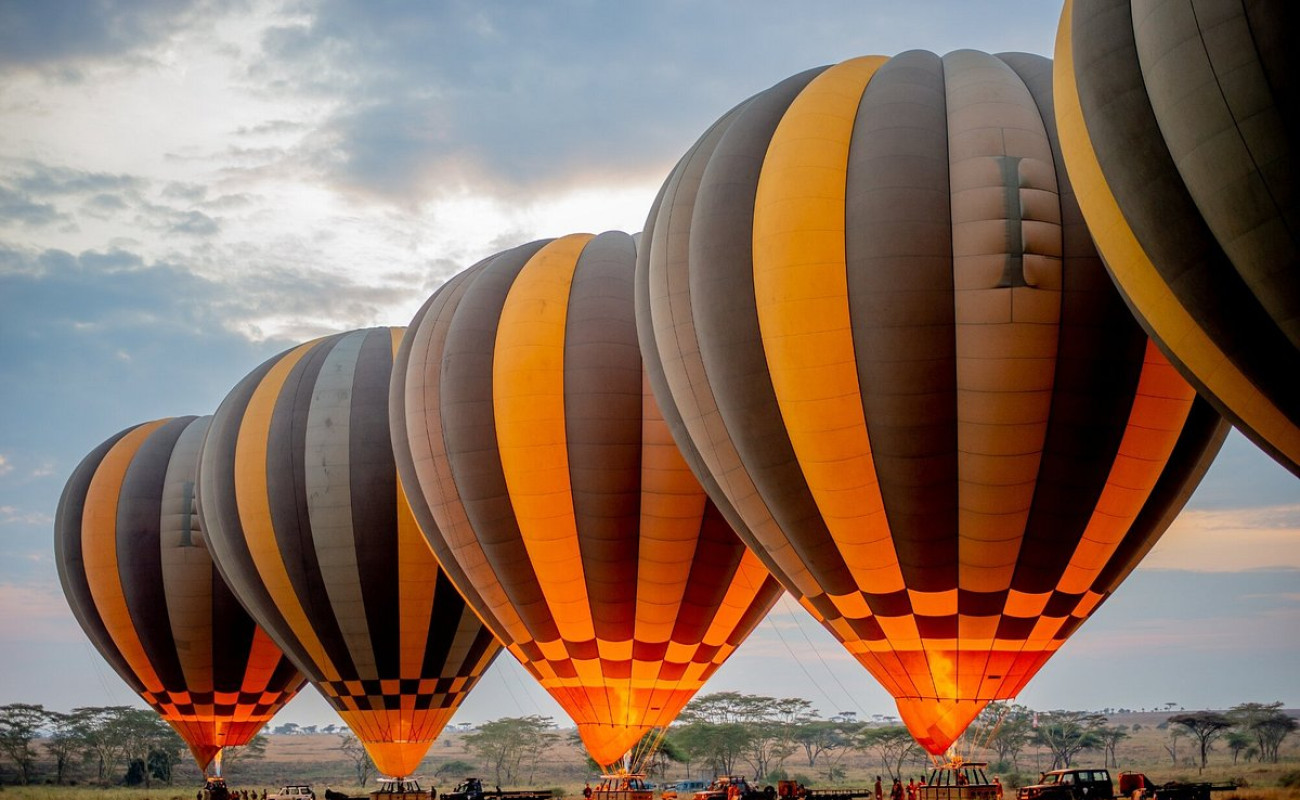

To summarize strategically, each season offers a distinct advantage depending on your safari goals.
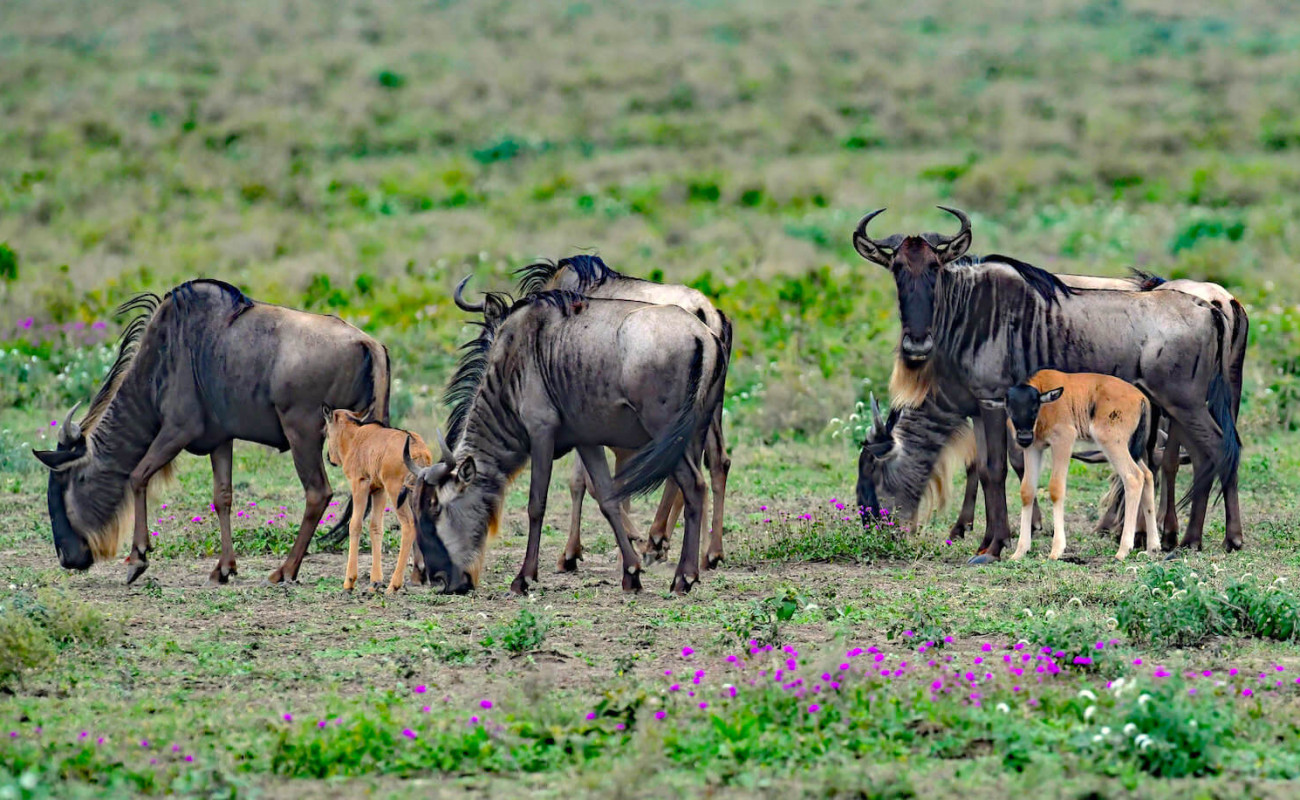
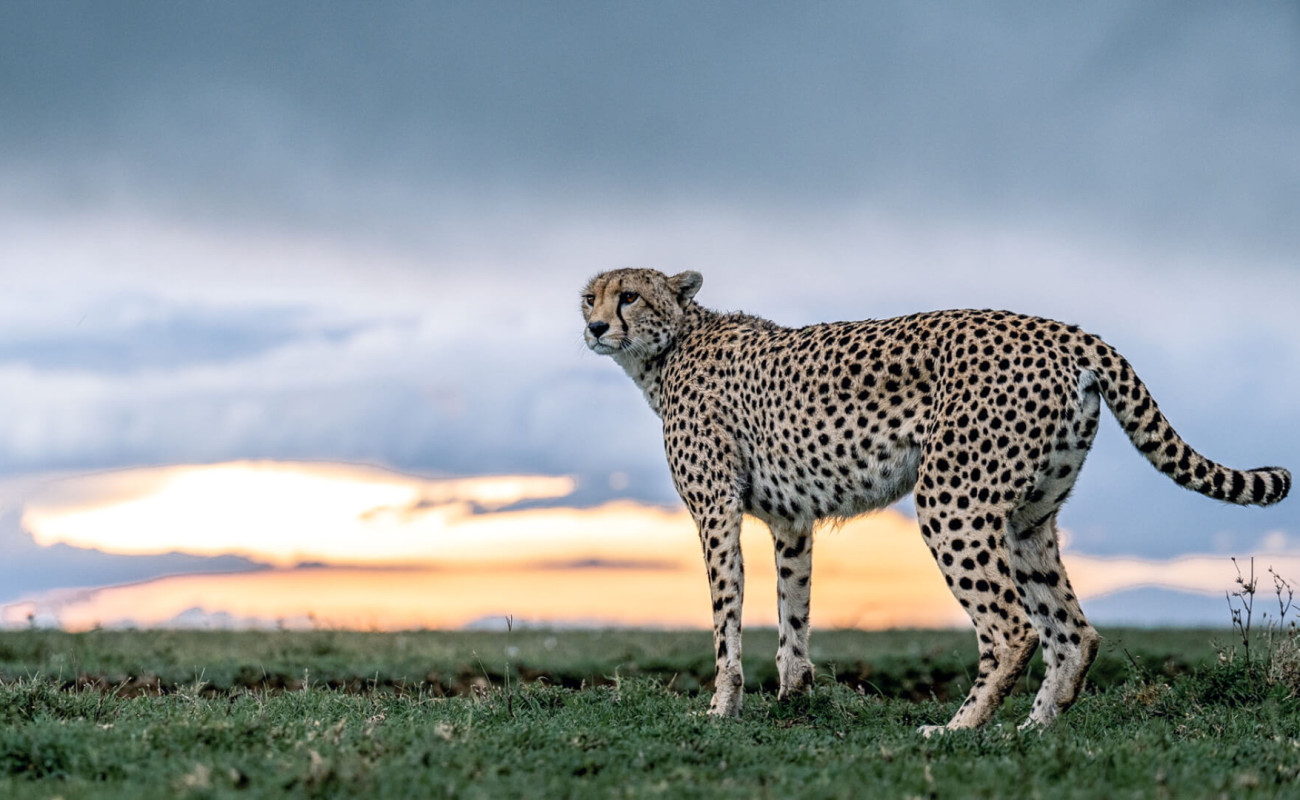
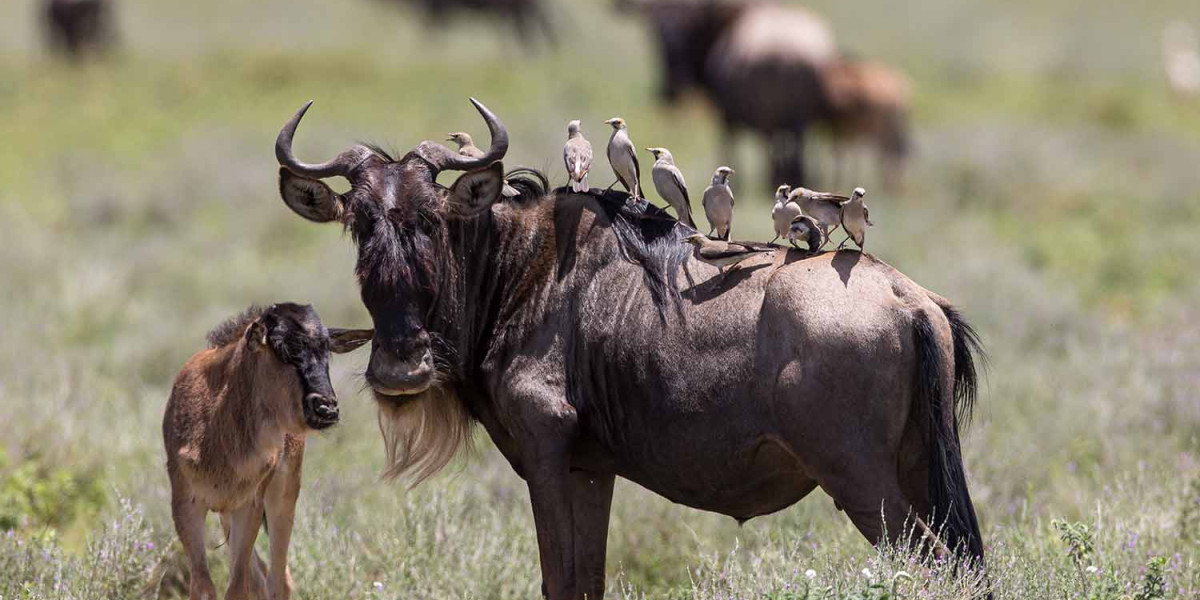
From January to March, the southern plains of Tanzania host the Calving Migration. During this period, vast herds gather in the southern reaches of the Serengeti National Park to give birth. The open grasslands provide remarkable visibility, and predator activity intensifies as lions, cheetahs, and hyenas respond to the abundance of vulnerable calves. This is not only a time of life and renewal, but also of extraordinary wildlife drama making it ideal for travelers seeking immersive, action-filled safaris with strong photographic opportunities.
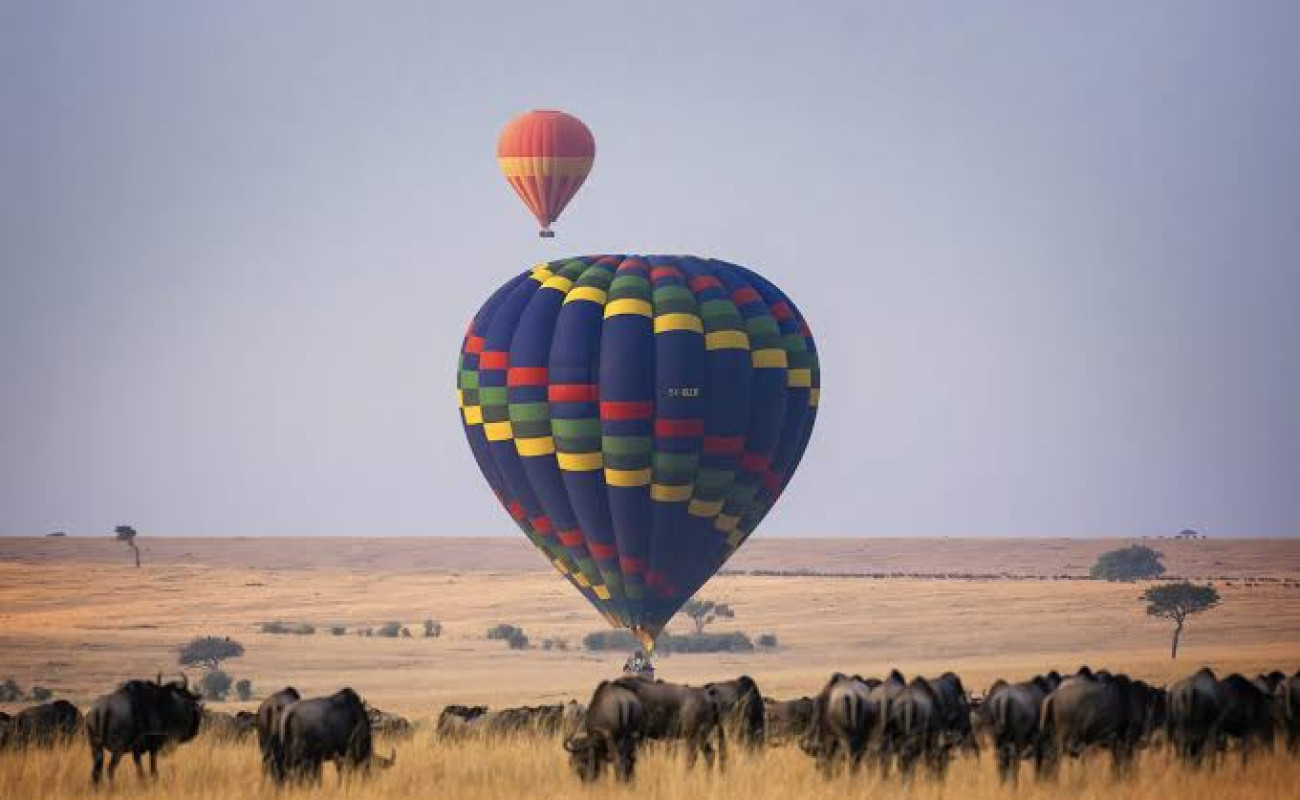
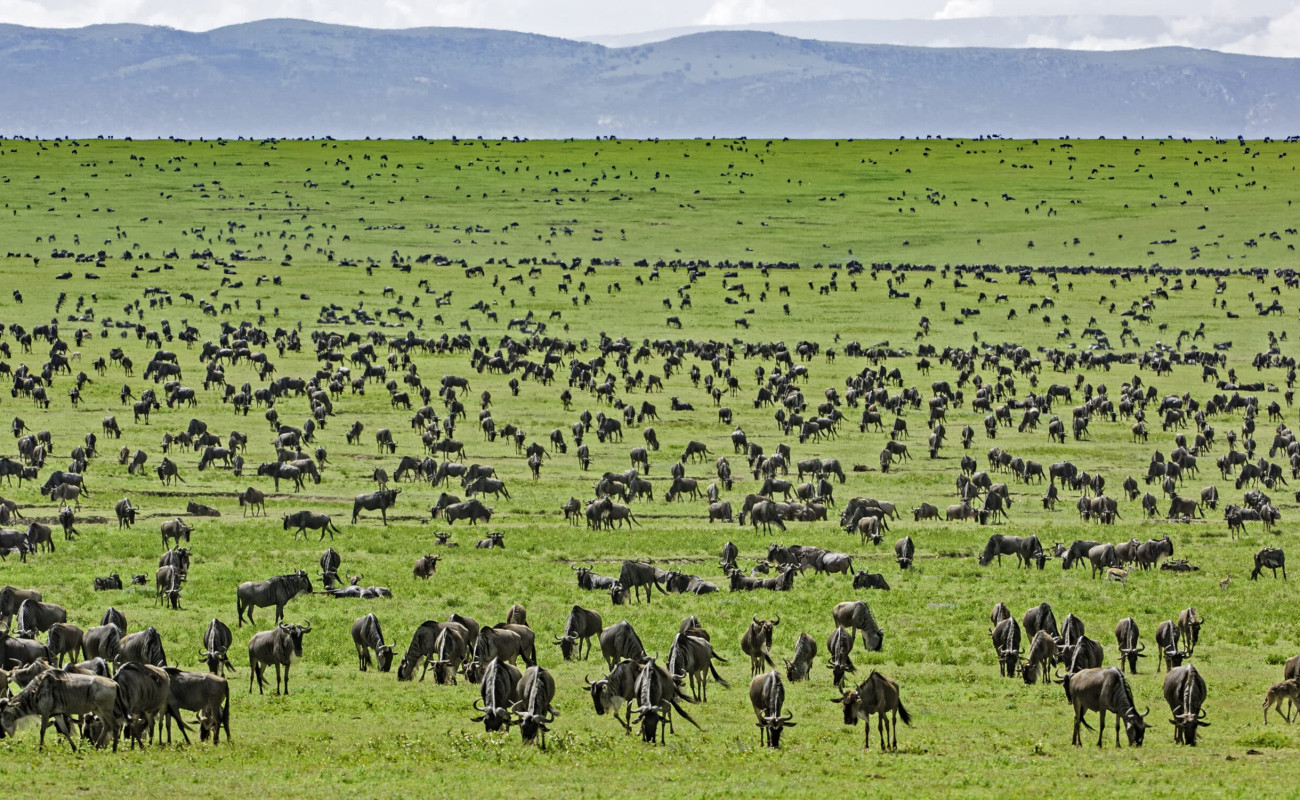
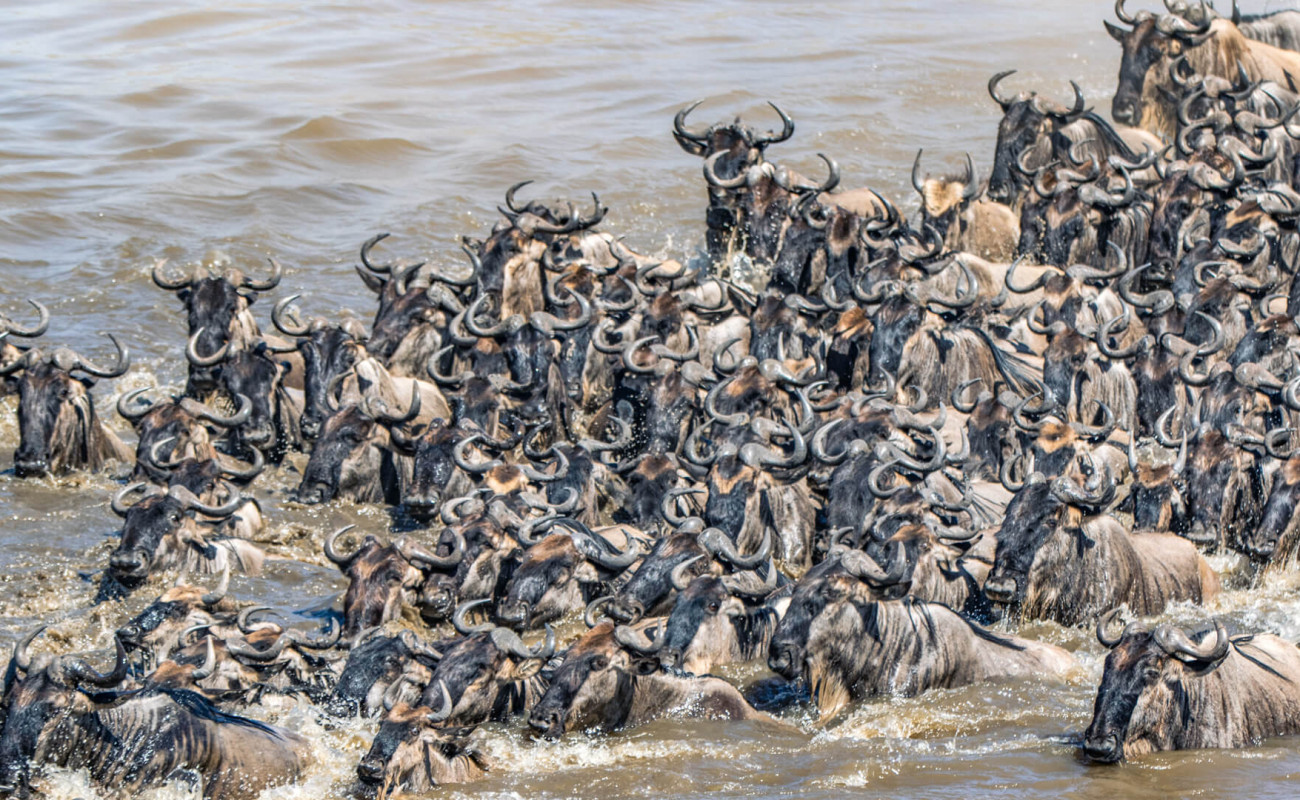
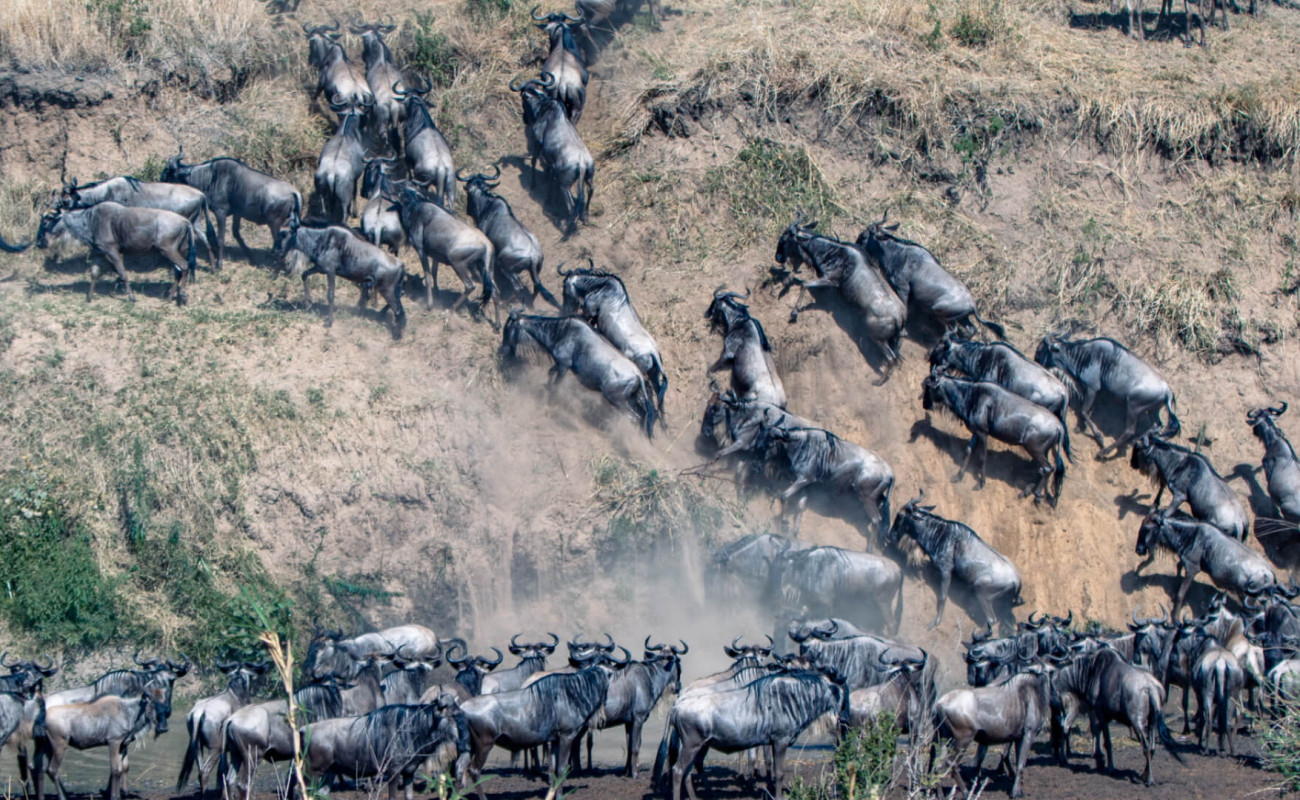
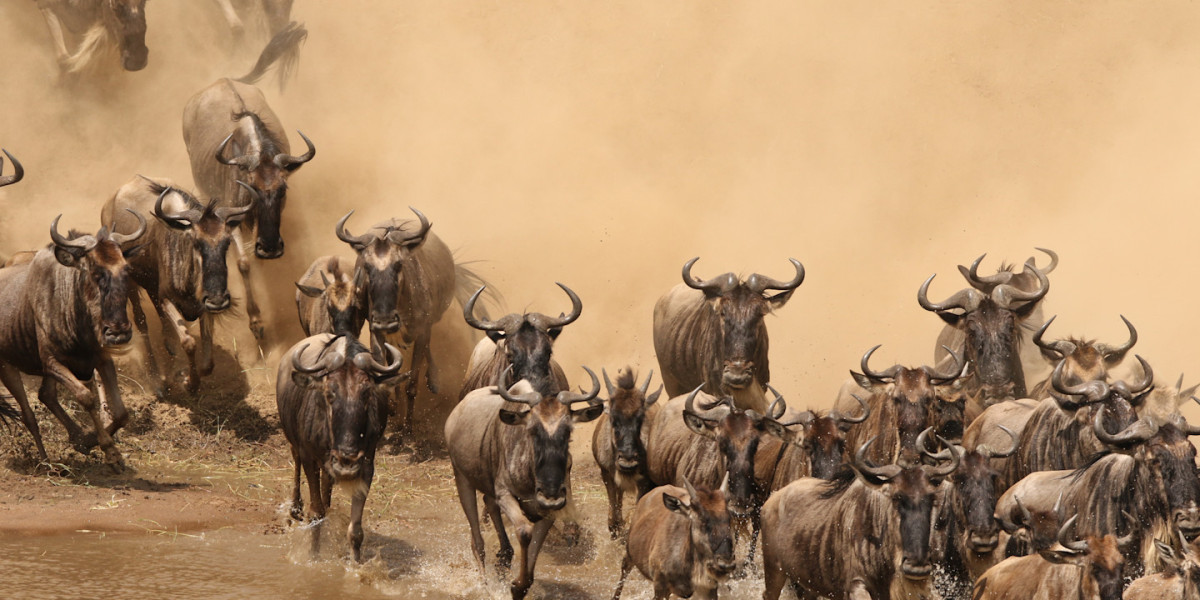
Between July and October, attention shifts northward. The herds move toward the Northern Serengeti before crossing into Kenya’s renowned Masai Mara National Reserve . River crossings during this time are among Africa’s most powerful natural spectacles. Wildebeest plunge into crocodile-filled waters, dust rises along the riverbanks, and predators wait strategically along crossing points. The dry season conditions also concentrate resident wildlife around permanent water sources, strengthening Big Five sightings.
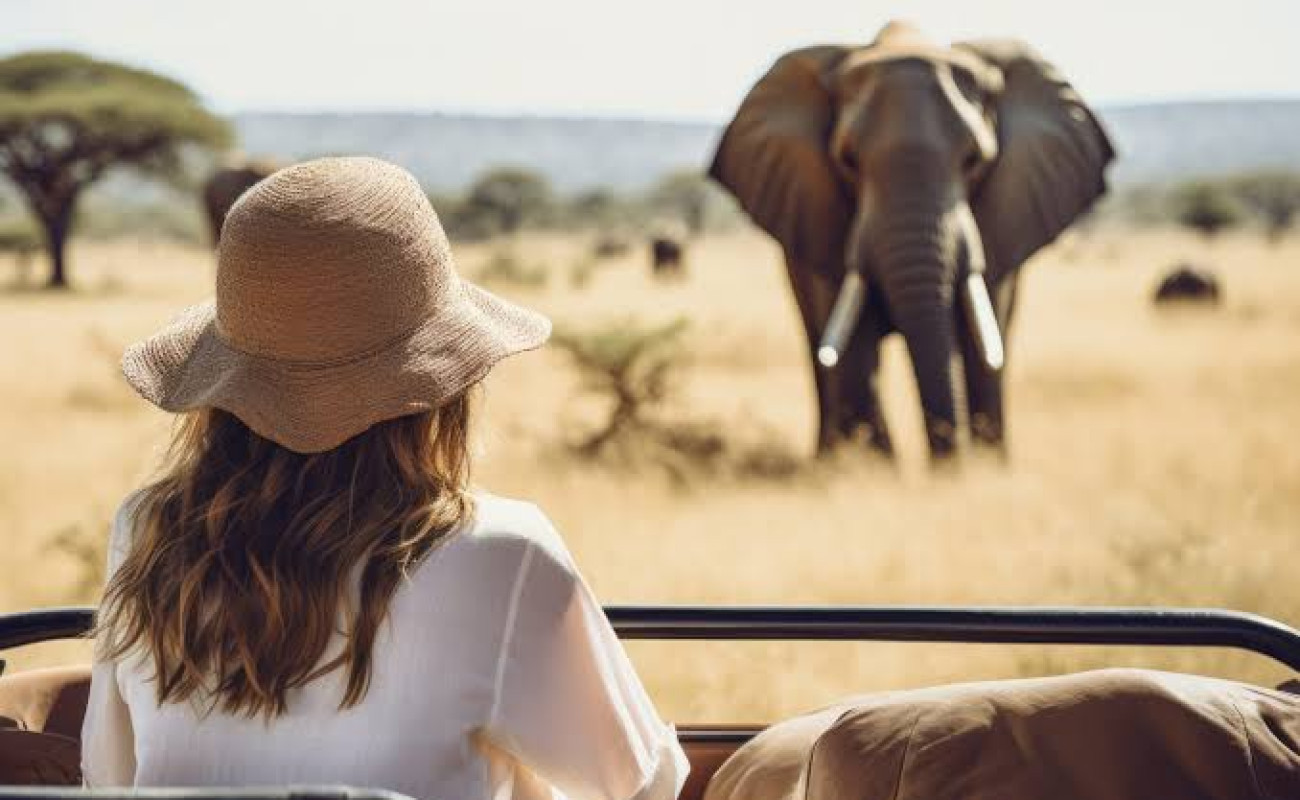
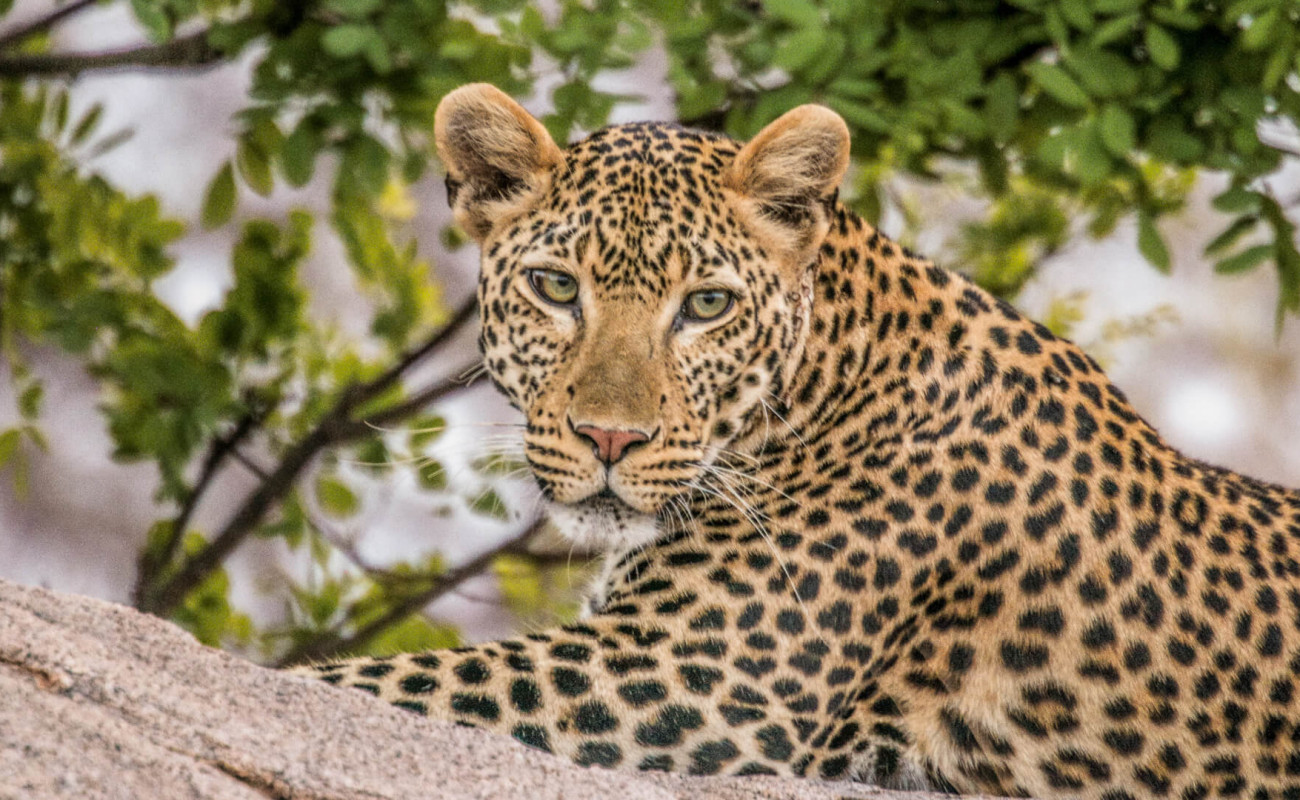
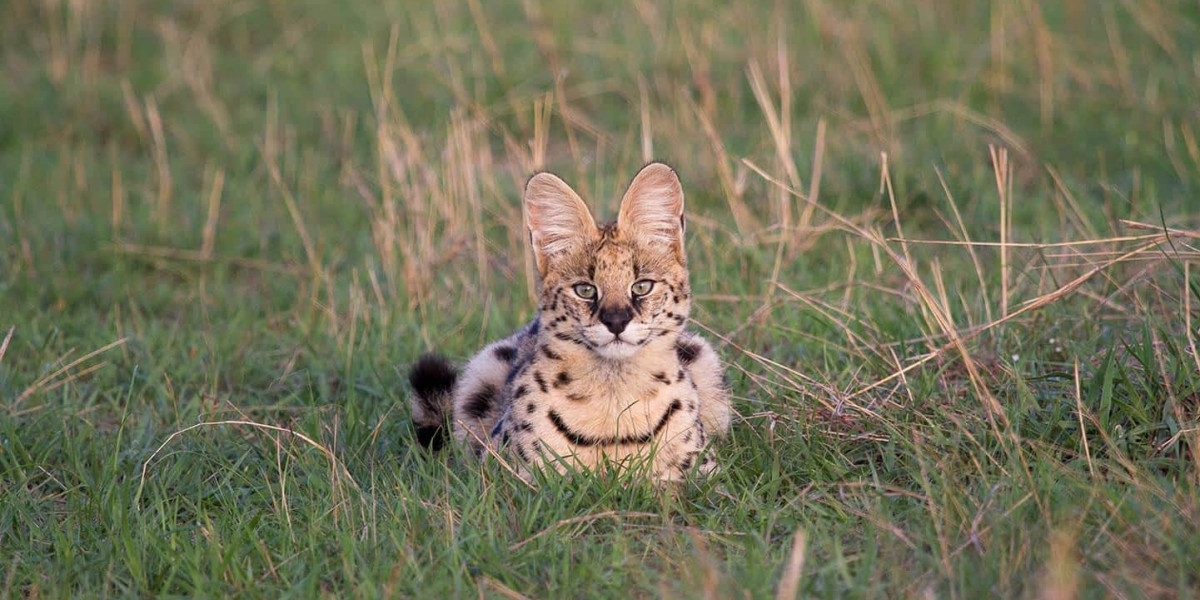
For those primarily focused on classic wildlife viewing, Big Five safaris are exceptional year-round, though they are particularly strong during the dry months of June through October when vegetation thins and visibility improves across savannah landscapes.
Gorilla trekking, by contrast, is a year-round experience. In Rwanda’s Volcanoes National Park and Uganda’s Bwindi Impenetrable National Park , mountain gorillas can be tracked in any month. However, drier periods generally provide more stable trekking conditions, easier forest navigation, and clearer photography. The intimacy of spending an hour with a gorilla family remains one of Africa’s most profound wildlife encounters, regardless of season.
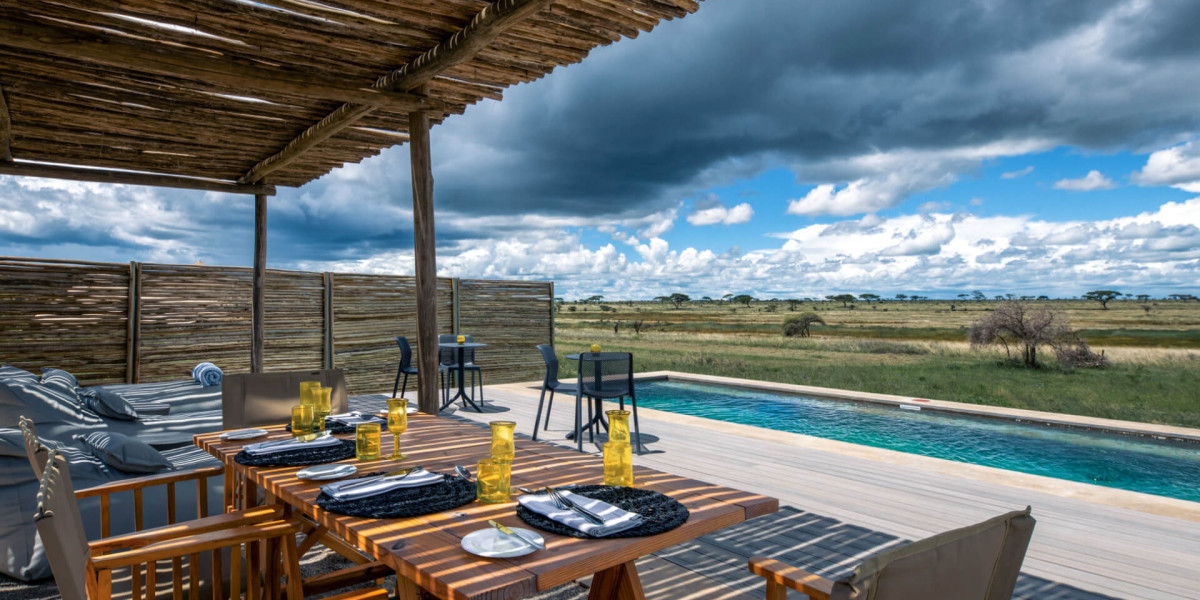
For travelers seeking relaxation after safari, luxury beach extensions are most favorable between June and March, when coastal conditions are warm, inviting, and ideal for unwinding beside the Indian Ocean.
Photographers often favor January through March and April to May, when dramatic skies, lush green landscapes, and softer light create cinematic scenes across the plains.
Yet the deeper truth remains this: there is no single “best” time to visit East Africa. There is only the best alignment between your ambitions and the ecosystem’s rhythm.
A well-designed luxury safari does not rely solely on dates. It requires thoughtful coordination of multiple elements:
-
Migration positioning across regions
-
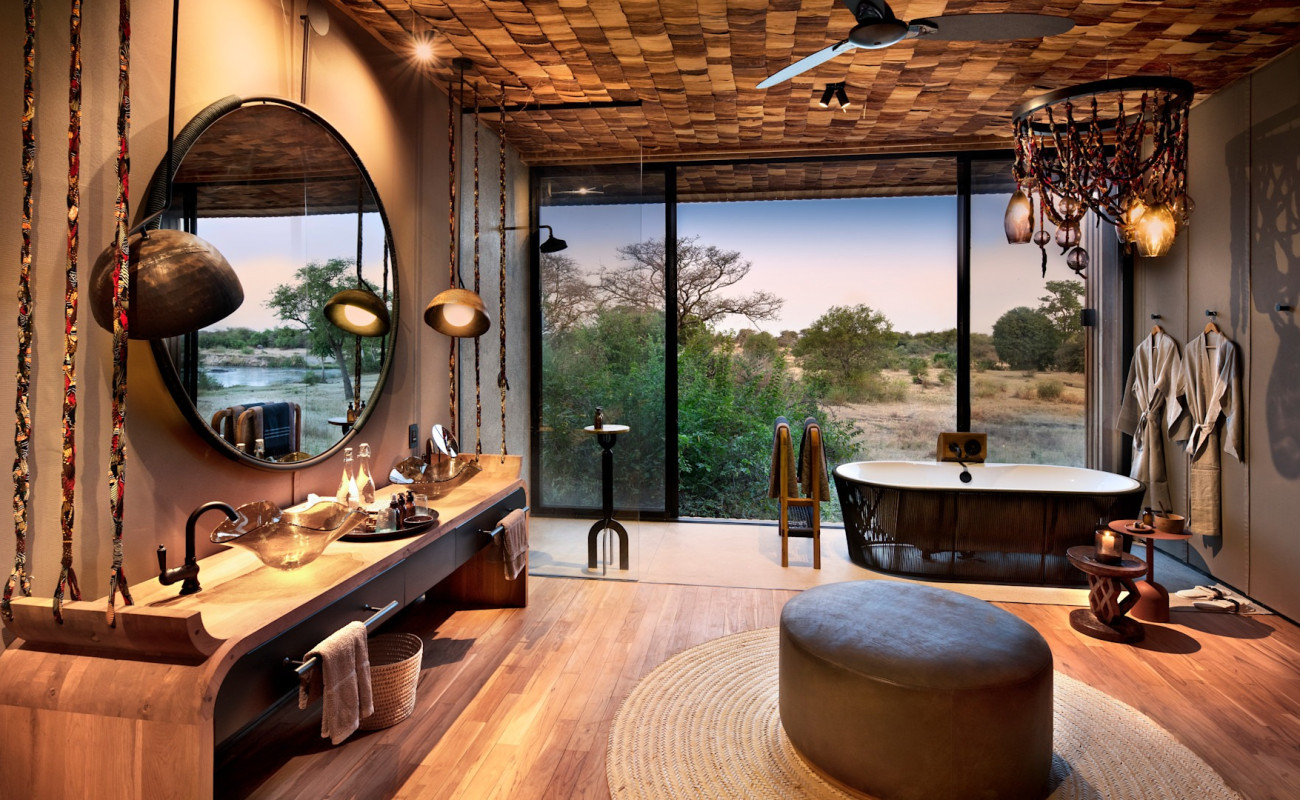
Lodge category and suite availability during peak periods
-
Guaranteed private vehicle access for flexibility
-
Seamless cross-border flight logistics
-
Securing limited gorilla trekking permits in advance
-
Understanding regional weather variations between savannah and rainforest
When these factors are harmonized, timing becomes transformative. The difference between witnessing a distant herd and standing before a dramatic river crossing may be a matter of weeks. The distinction between a crowded sighting and an exclusive wildlife moment often lies in strategic planning months ahead.
Precision is the defining feature of true luxury.
At Eagle Soul Adventure, we curate tailor-made journeys across Tanzania, Kenya, Uganda, and Rwanda with seasonal intelligence at the core of every itinerary. Whether you envision the thunder of hooves along the Mara River, the quiet intensity of a gorilla encounter in mist-covered mountains, or a seamless blend of Big Five game drives and Indian Ocean serenity, your journey is designed around optimal timing not convenience.
Your experience deserves more than availability. It deserves foresight, expertise, and flawless coordination.
Eagle Soul Adventure Crafting East Africa’s Finest Luxury Journeys.