
Where Movement Becomes Meaning
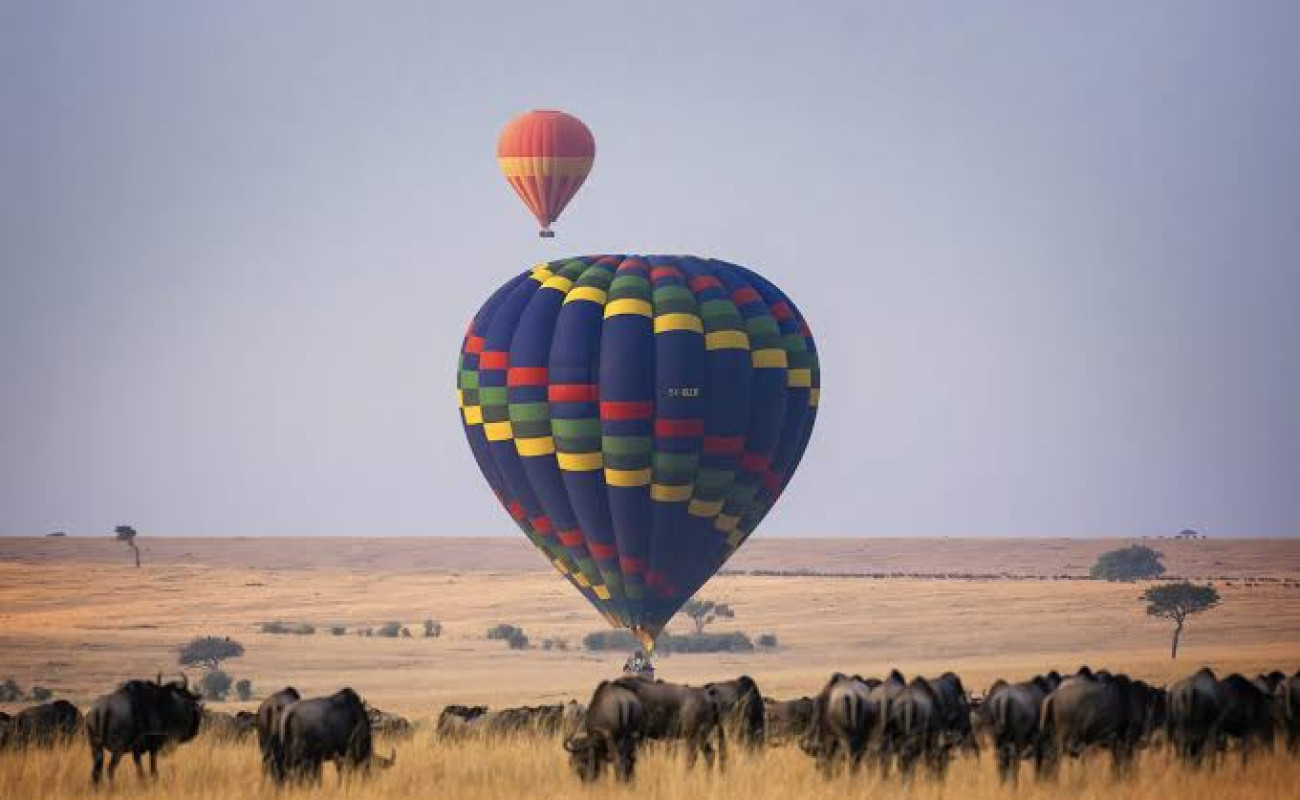
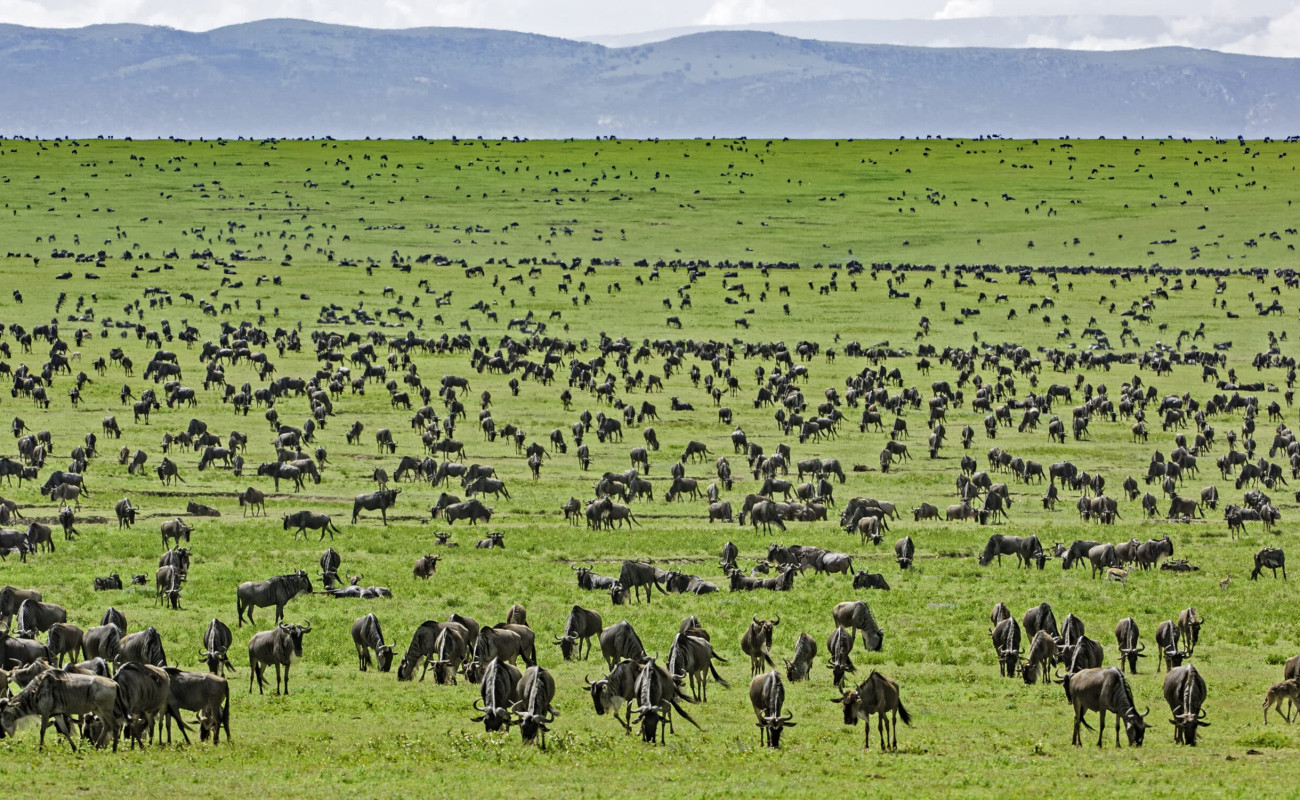
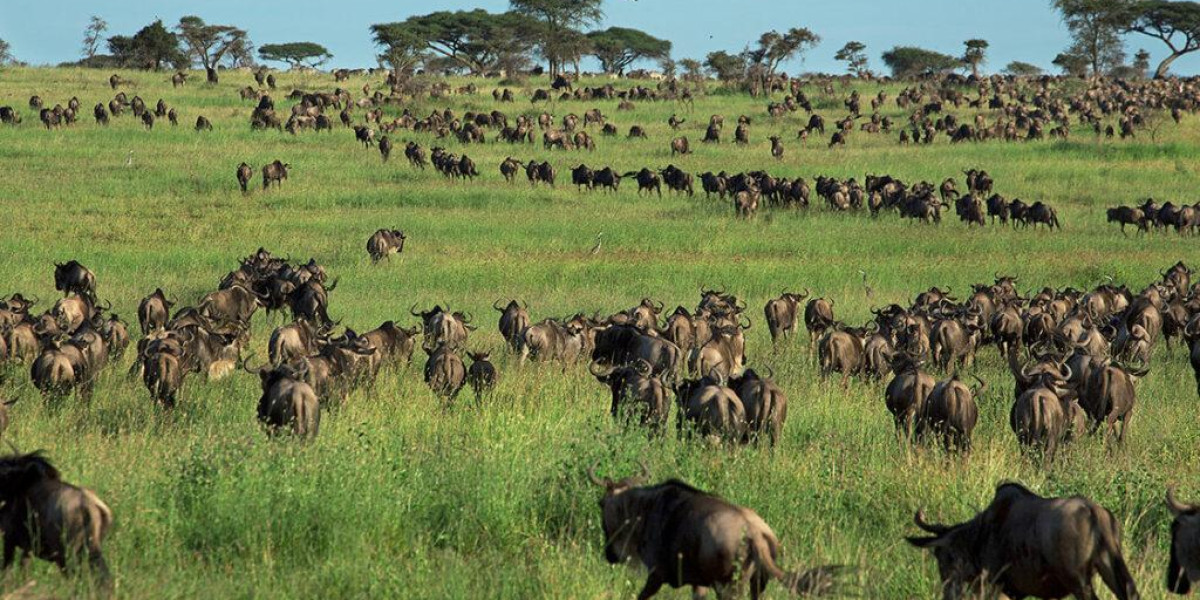
There are few places on Earth where time is not measured in hours or days, but in movement. In the vast, breathing wilderness of the Serengeti, the rhythm of life is dictated by hooves, rain, instinct, and survival. The Great Migration is not a single event—it is a continuous journey of over 1.5 million wildebeest, accompanied by zebras and gazelles, circling endlessly through the ecosystem in search of fresh grass and water.
To understand the best time to visit the Serengeti is to understand this rhythm. There is no single “perfect” month only different chapters of a powerful story, each offering a unique perspective of nature at its most raw and unfiltered.
The migration moves in a clockwise direction across the Serengeti ecosystem and into Kenya’s Masai Mara National Reserve , before returning again. This cycle is driven primarily by rainfall patterns, which determine where the grass grows and where life follows.
The Serengeti itself is divided into three main regions that shape this experience:
Each region tells a different story, at a different time.
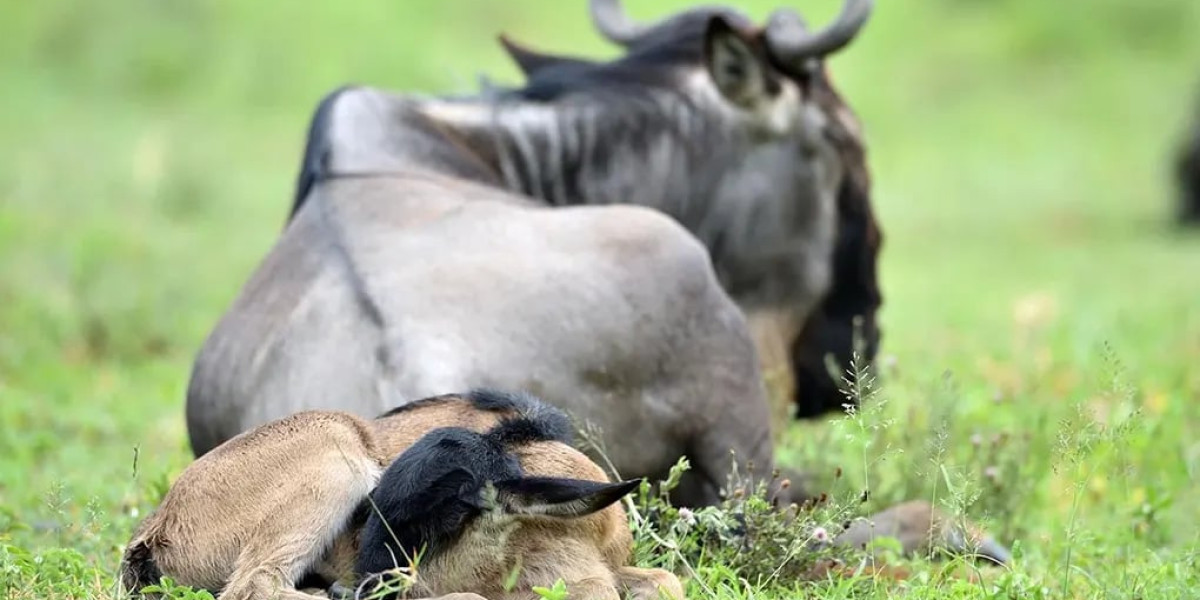
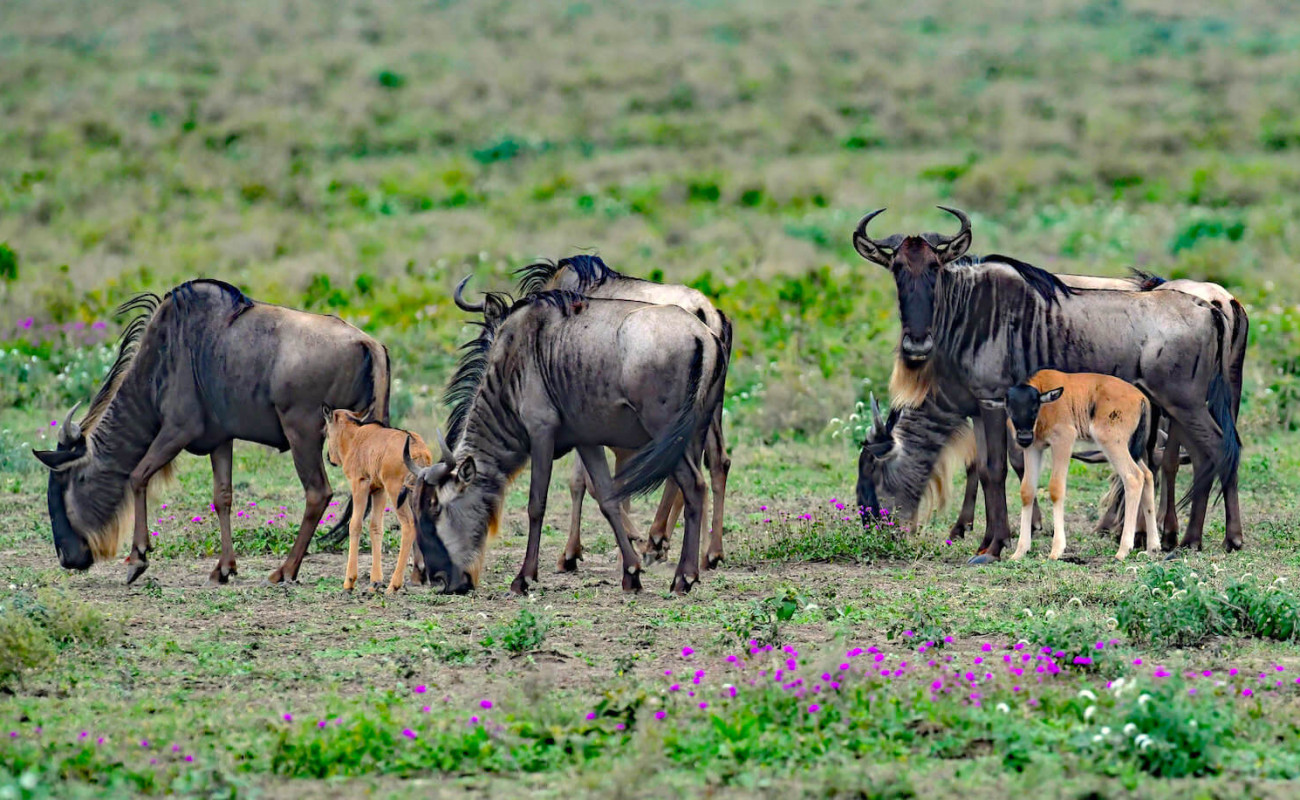
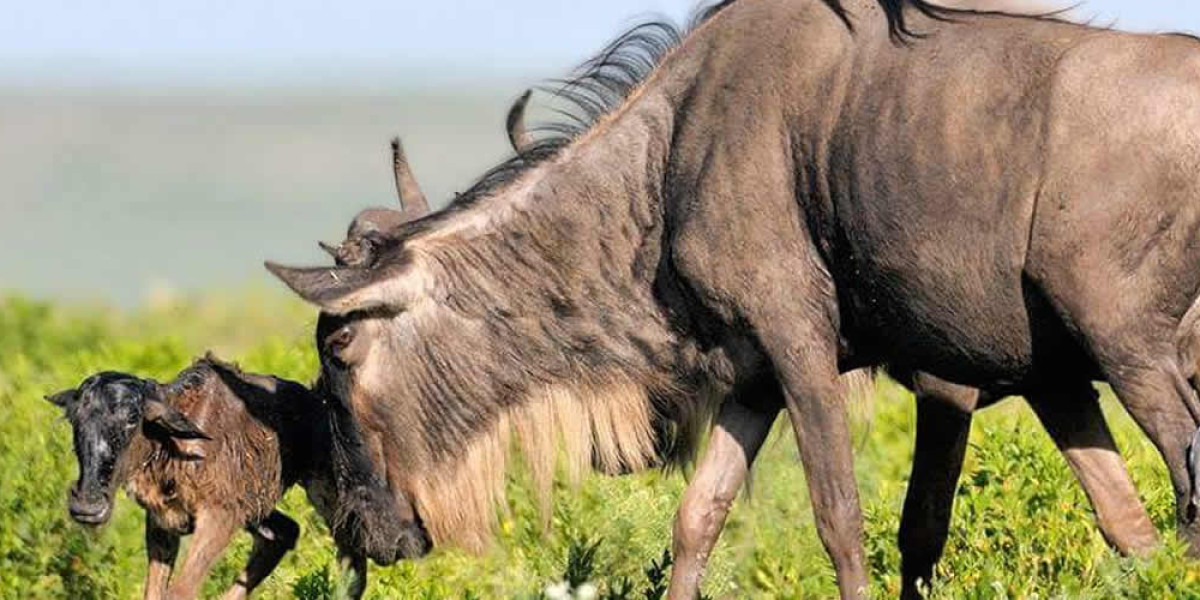
This is where the migration begins its most delicate and dramatic phase. The herds gather in the short-grass plains of the southern Serengeti and Ndutu area, drawn by nutrient-rich grasses ideal for calving.
Between late January and February, nearly half a million wildebeest calves are born within a few weeks.
This is not just a season of birth it is a season of vulnerability. Predators such as lions, cheetahs, and hyenas are never far away, and the plains become a stage for intense predator-prey interaction. For photographers and wildlife enthusiasts, this period offers unmatched opportunities: young animals taking their first steps, mothers protecting their calves, and predators capitalizing on the abundance.
Best for:
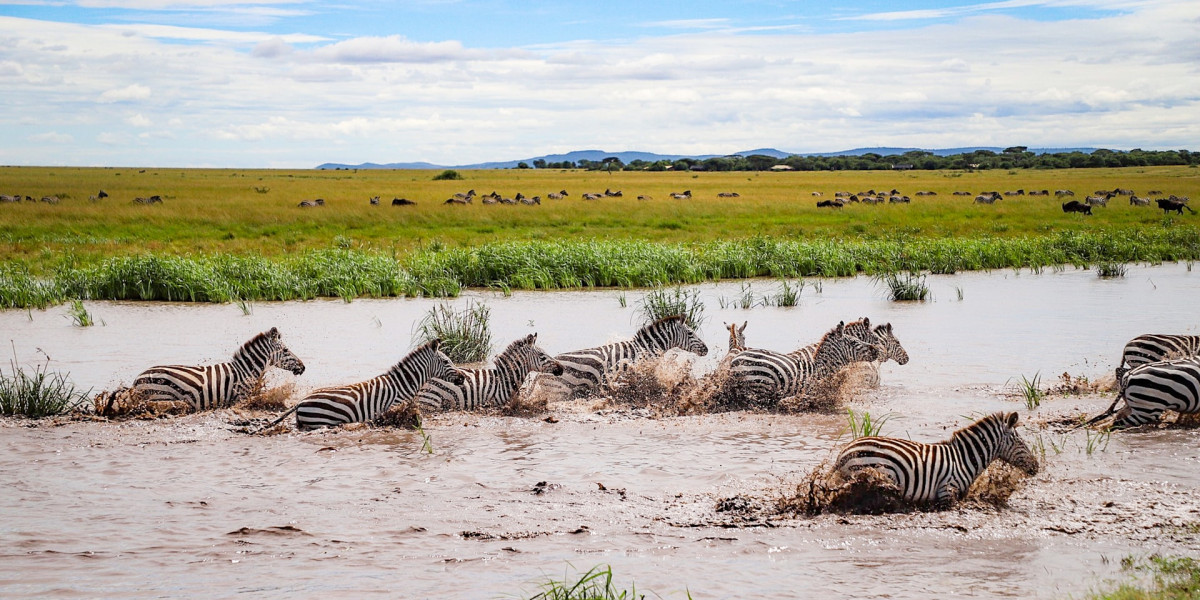
As the rains intensify, the southern plains begin to empty. The herds start moving northwest, stretching into long columns across the central Serengeti.
This is often overlooked by travelers, yet it is one of the most atmospheric times to visit. The landscape is lush, dramatic skies dominate the horizon, and the crowds are minimal.
Game viewing remains excellent, especially in the central Serengeti, where resident wildlife ensures consistent sightings even as the migration moves.
Best for:
As the dry season begins, the herds concentrate in the western corridor near the Grumeti River. This is where the migration begins to build tension.
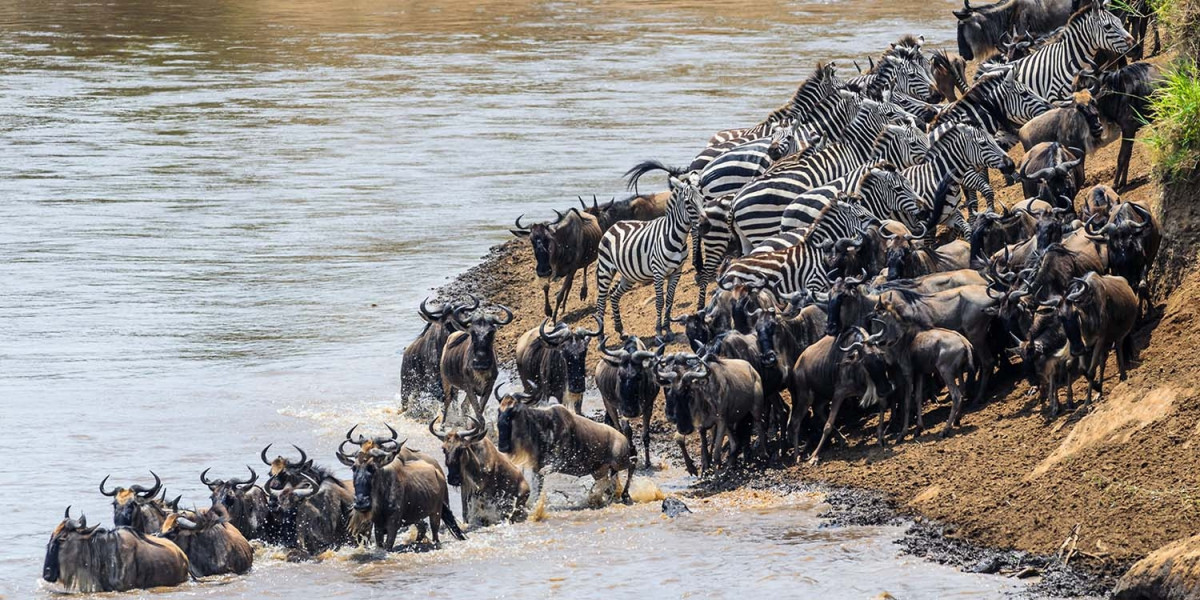
River crossings here are less famous than those in the north but equally dramatic. Crocodiles lie in wait, and the herds hesitate before plunging into the waters a moment filled with uncertainty and instinct.
The vegetation begins to thin, making wildlife easier to spot, and the weather becomes more stable and comfortable for travel.
Best for:
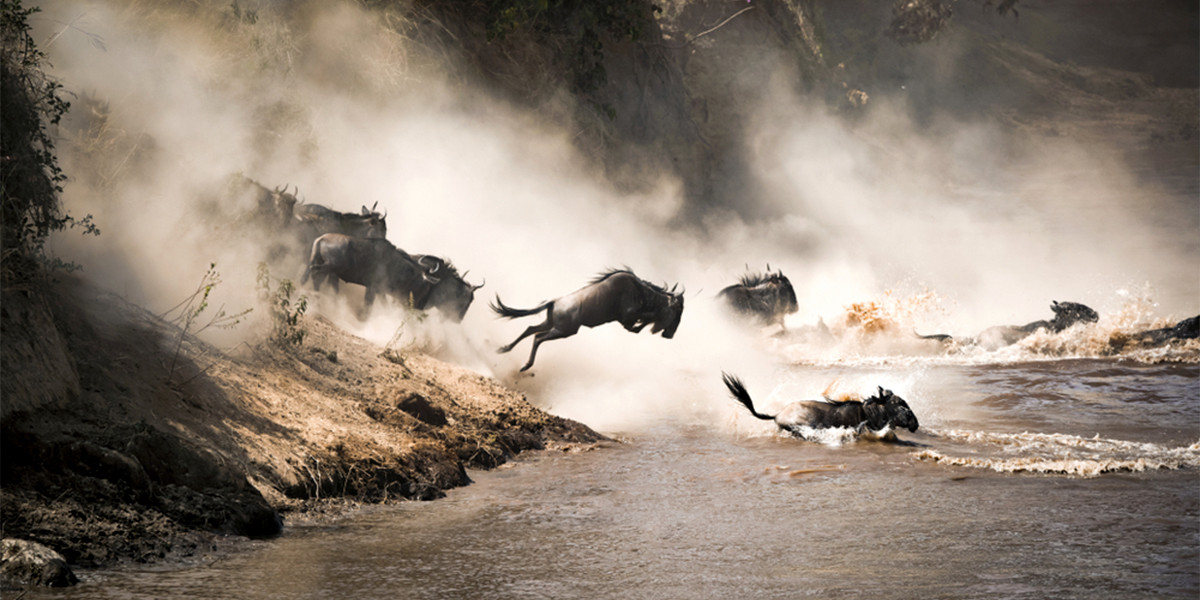
This is the most sought-after period and for good reason.
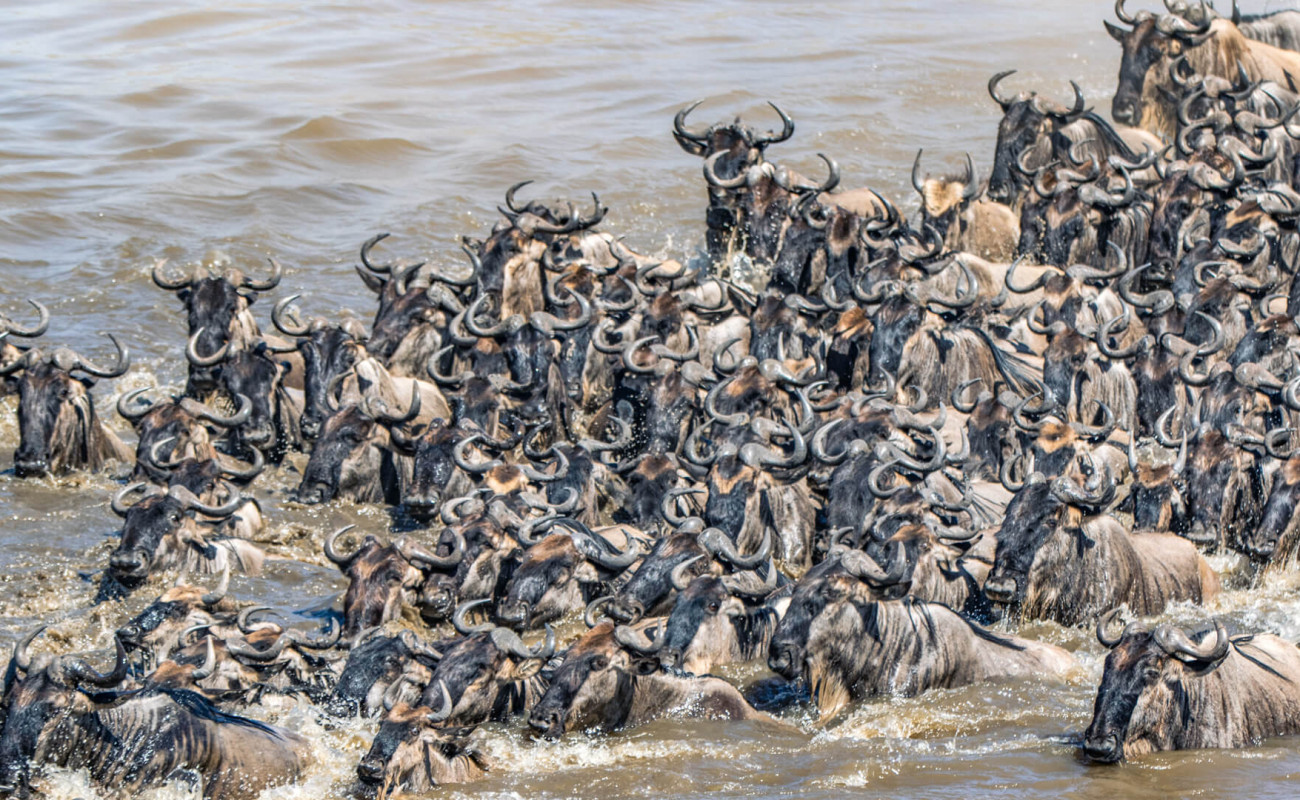
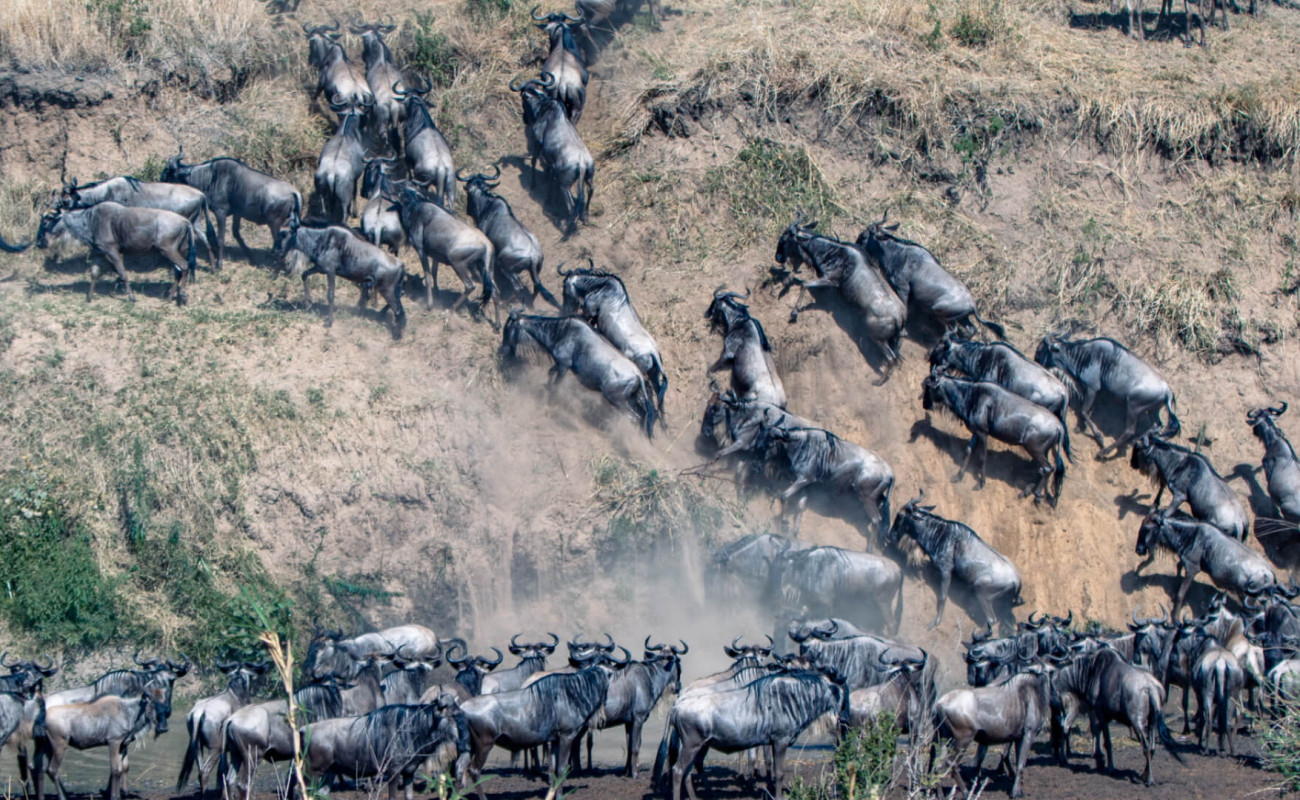
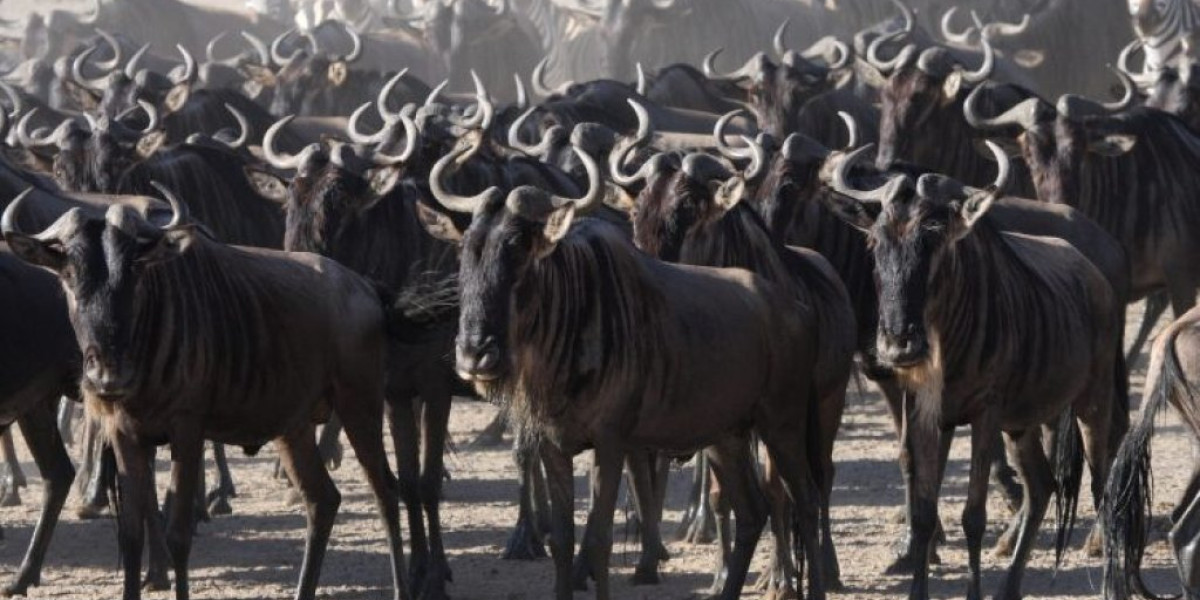
In the northern Serengeti, near the Mara River, the migration reaches its most dramatic chapter. Thousands of wildebeest gather at the riverbanks, often waiting for hours or days before making the crossing. When they finally move, it is explosive dust, noise, confusion, and survival all unfolding at once.
These crossings are unpredictable. Some days nothing happens; other days, everything happens at once.
During this period, the herds may move back and forth between Tanzania and Kenya’s Masai Mara National Reserve , following rainfall patterns.
Best for:
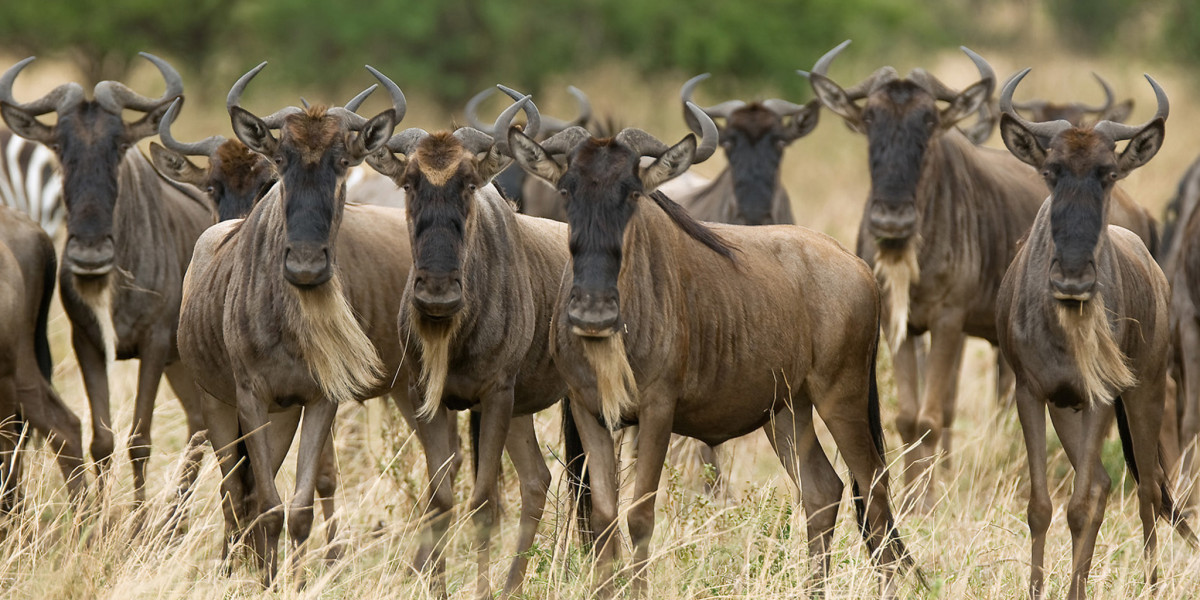
With the arrival of short rains, the migration begins its journey back toward the southern plains. The herds spread across the central Serengeti before gradually moving south.
This is a transitional season less dramatic than river crossings, but deeply rewarding for those who appreciate quieter, more intimate encounters.
The landscape begins to turn green again, and the cycle prepares to restart.
Best for:
The answer depends on what you want to experience:
There is no wrong time only different stories waiting to be witnessed.
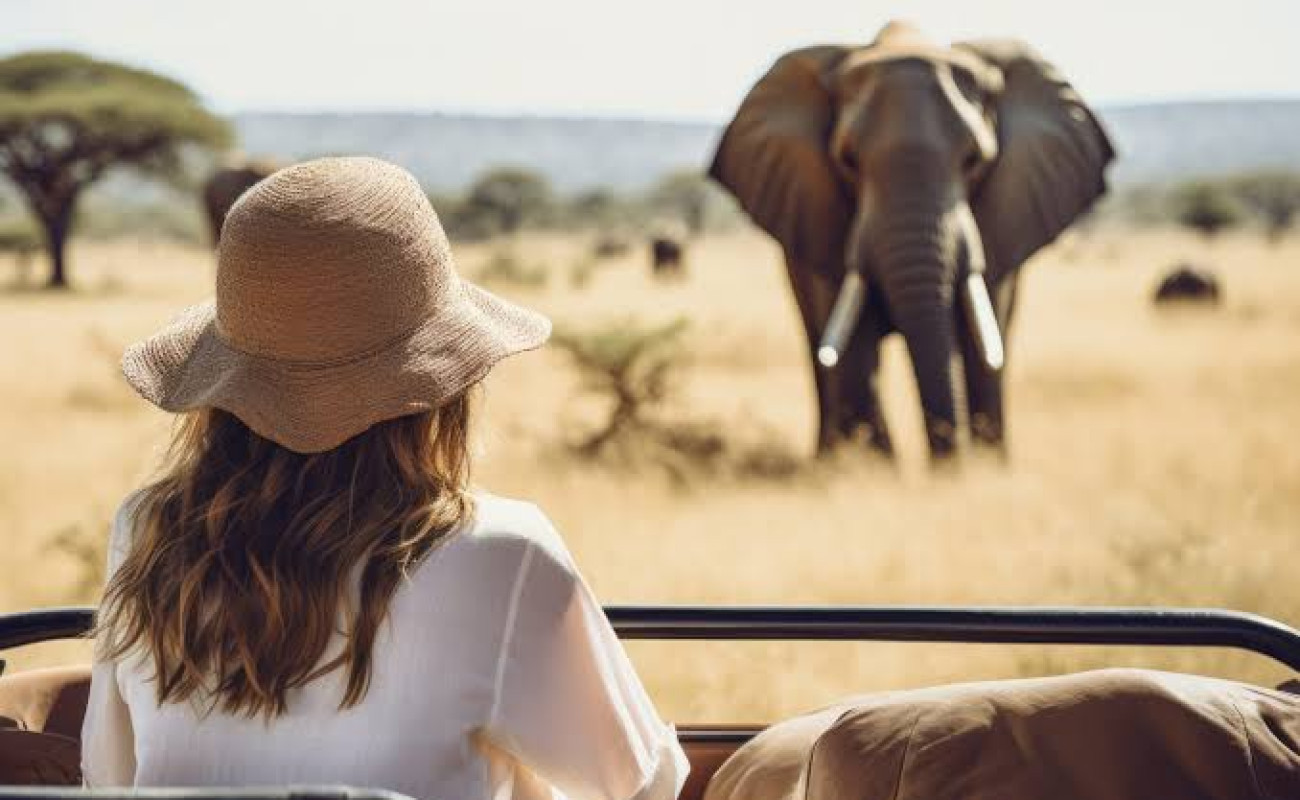
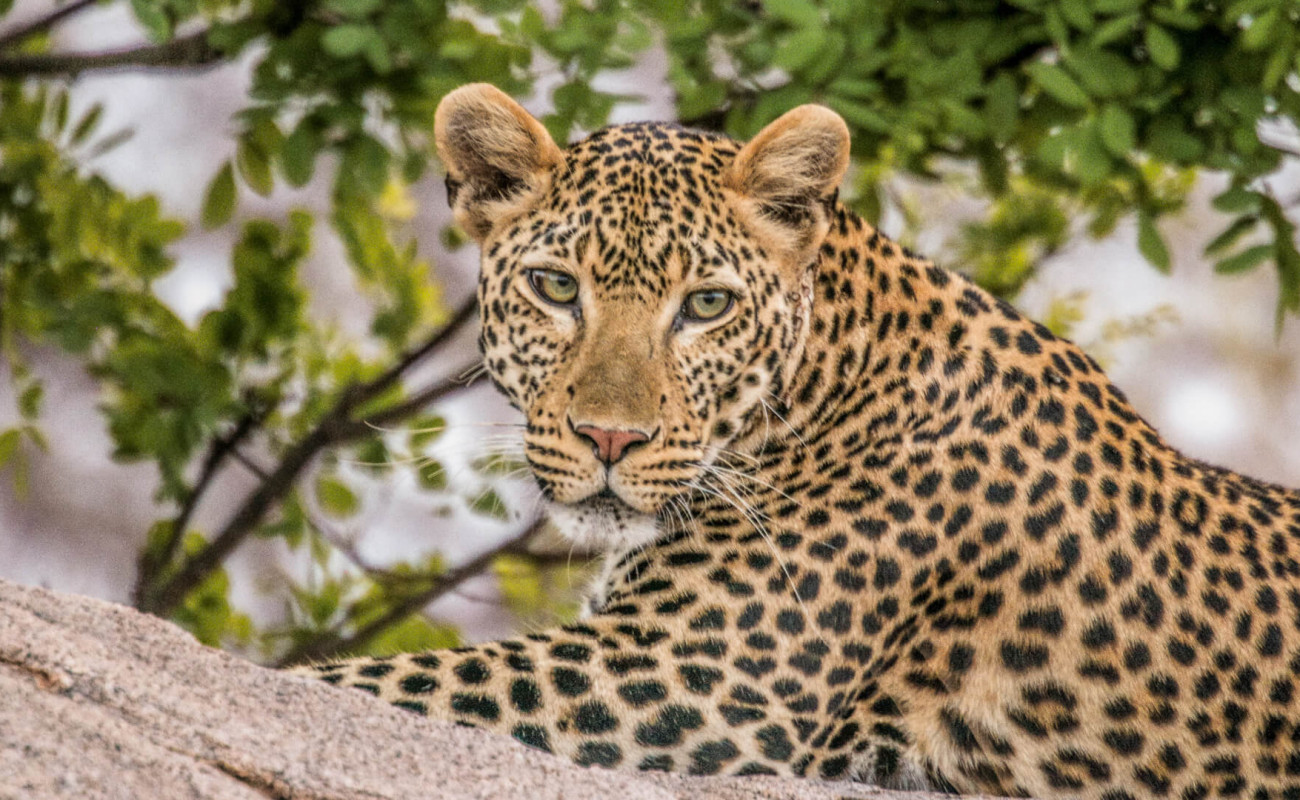
The Serengeti is not just about the migration. Even when the herds are far, the park remains one of the richest wildlife ecosystems in Africa. Lions rest in the grasslands, elephants move silently through acacia woodlands, and leopards watch from the trees.
Timing enhances the experience but it does not define it.
At Eagle Soul Adventure , we design journeys that follow not just routes, but moments. Whether you are drawn by the chaos of river crossings or the quiet beauty of calving season, your safari can be tailored to align perfectly with nature’s timeline.
Let us guide you to the right place, at the right time, for the right experience.