
Where the Wild Still Rules
A safari in the Serengeti is not simply about seeing animals it is about entering a landscape where nature still operates on its own terms. Among all wildlife experiences, the pursuit of the Big Five lion, leopard, elephant, buffalo, and rhinoceros remains one of the most iconic and sought-after journeys in Africa.
Yet, unlike a single seasonal spectacle, the Big Five are not bound to one moment. They are present year-round in the Serengeti, but their visibility, movement, and behavior shift with the seasons. To truly maximize your safari, timing becomes a strategic advantage.
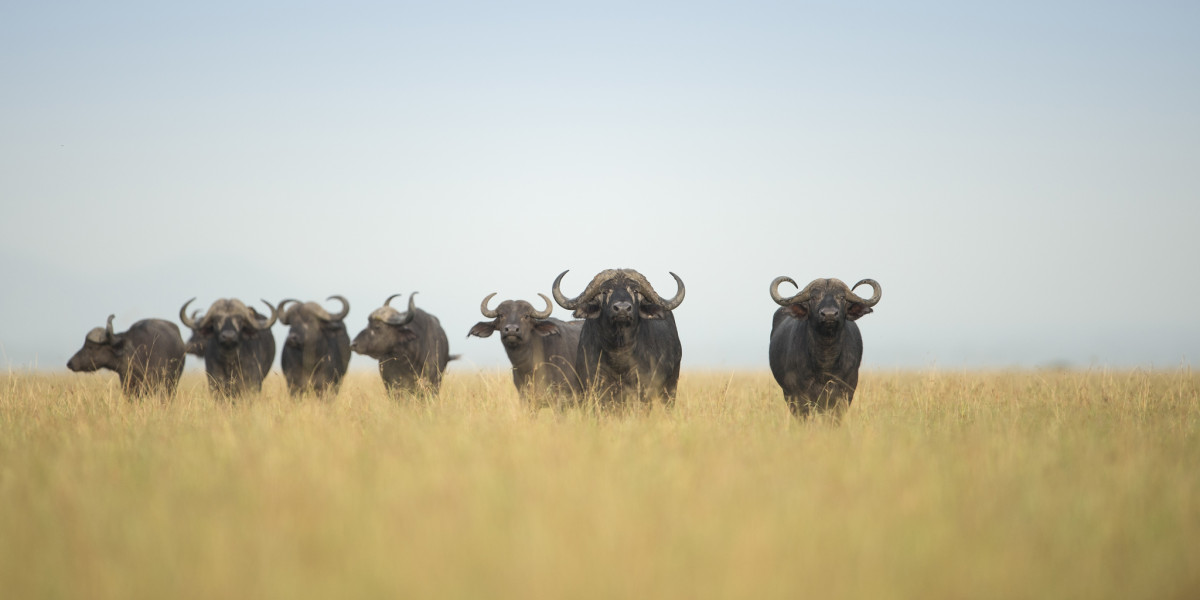
Each member of the Big Five occupies a different ecological niche:
Because of this diversity, your chances of seeing all five depend on season, location, and movement patterns within the park.
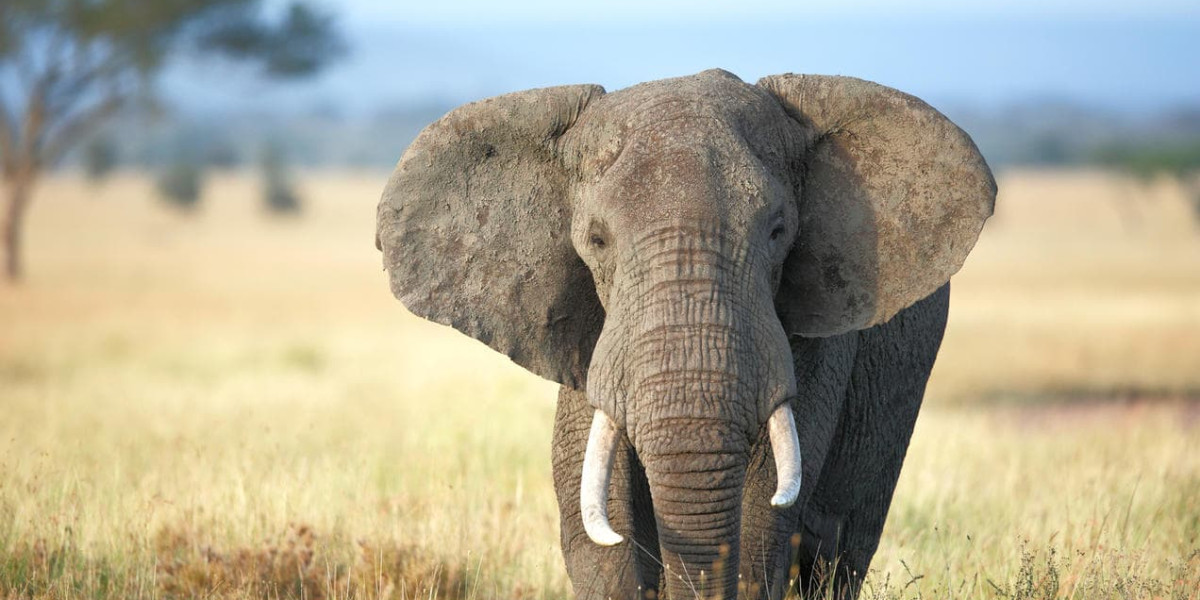
This is widely considered the best time for a Big Five safari in the Serengeti.
As the dry season takes hold, water sources become limited, and animals begin to concentrate around rivers and permanent waterholes. Vegetation thins out, making wildlife easier to spot across the plains.
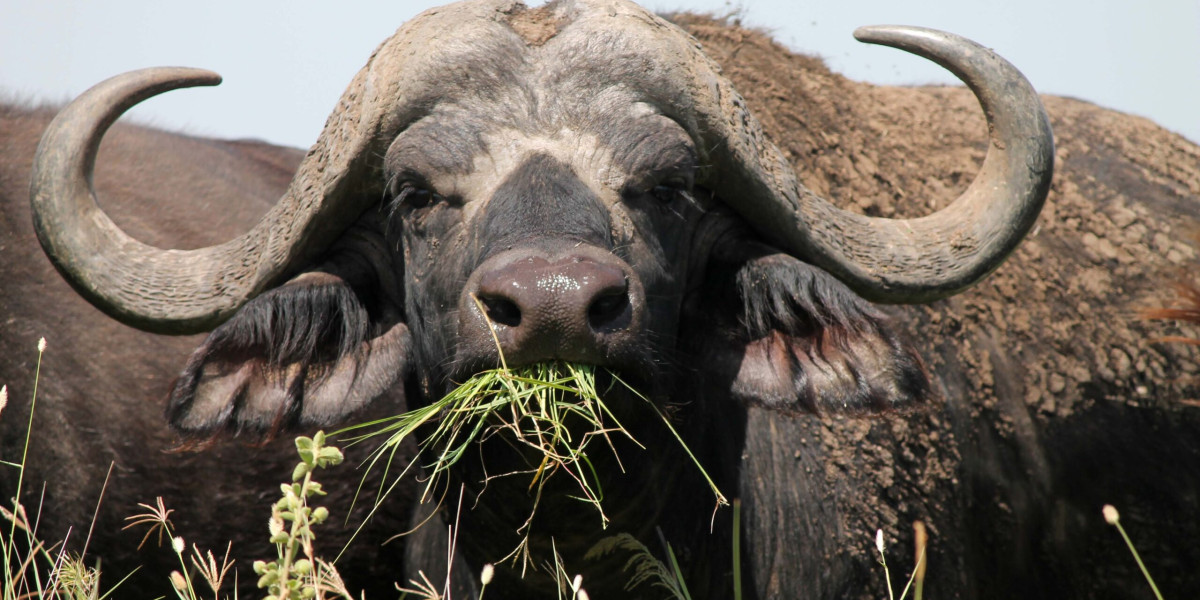
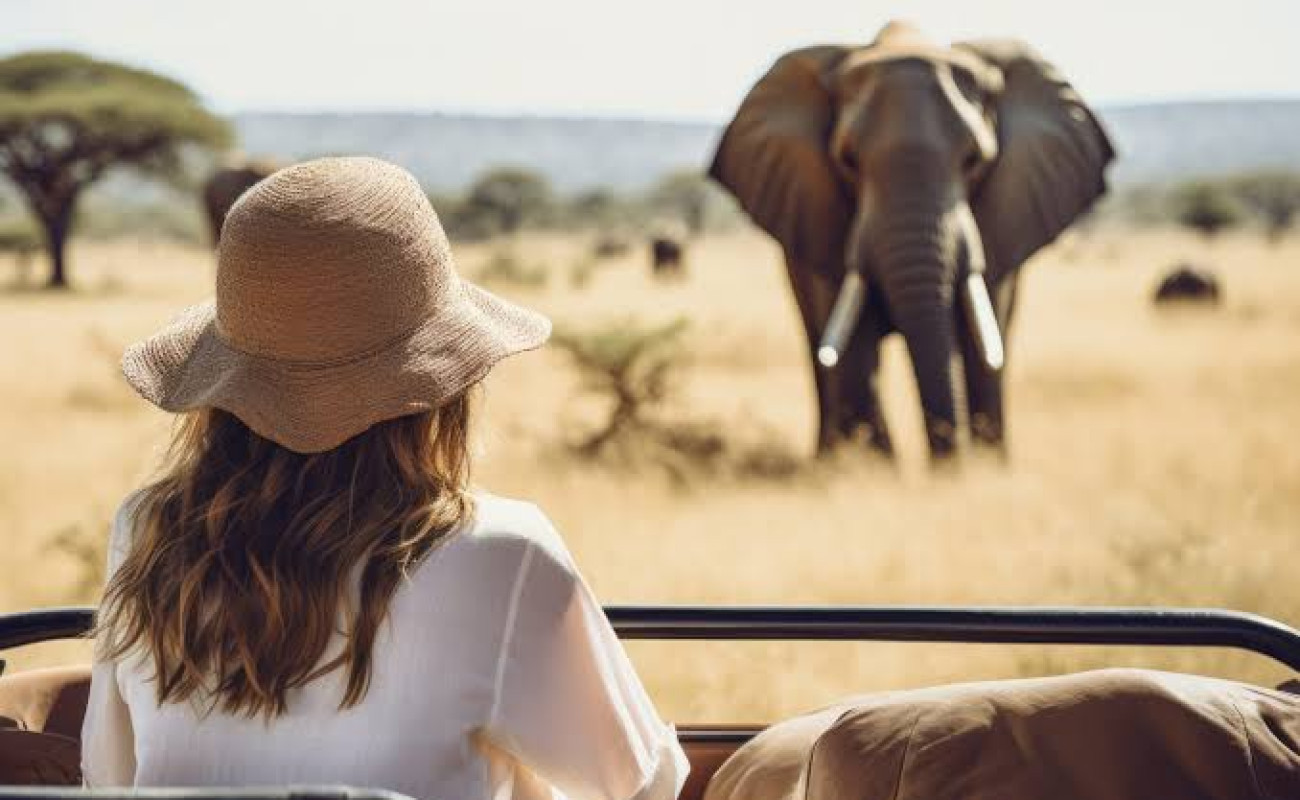
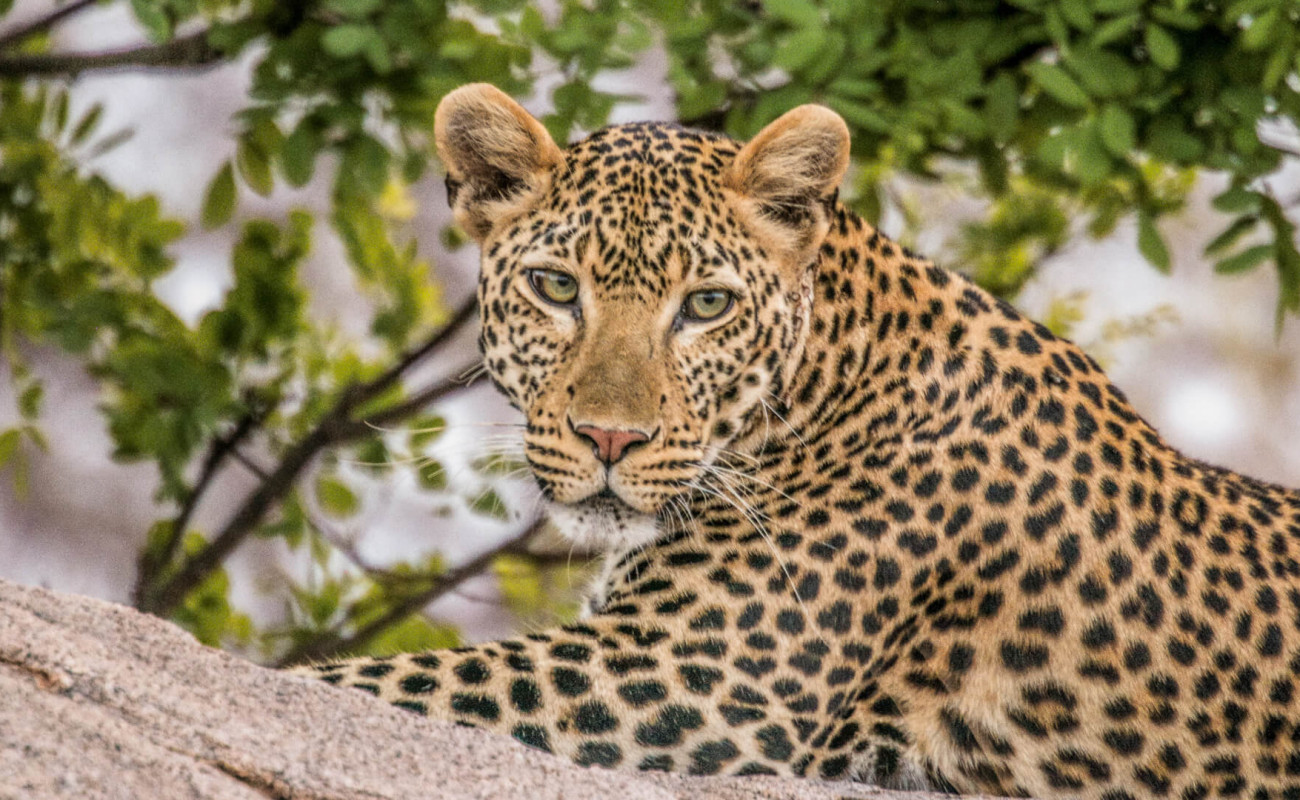
Lions are more visible, often resting in the open after night hunts. Elephants gather in larger numbers near water, and buffalo herds become easier to track. Leopards, though elusive, are frequently seen along riverbanks where prey activity increases.
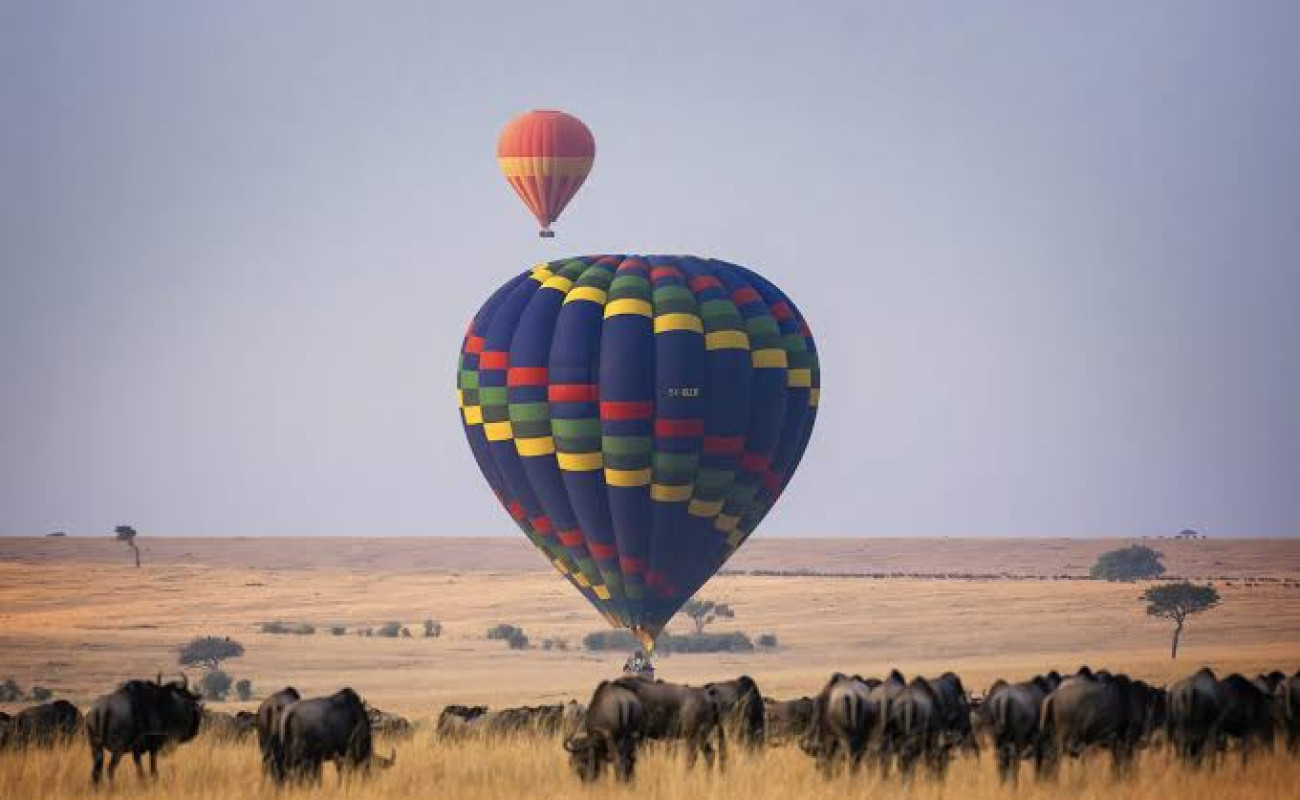
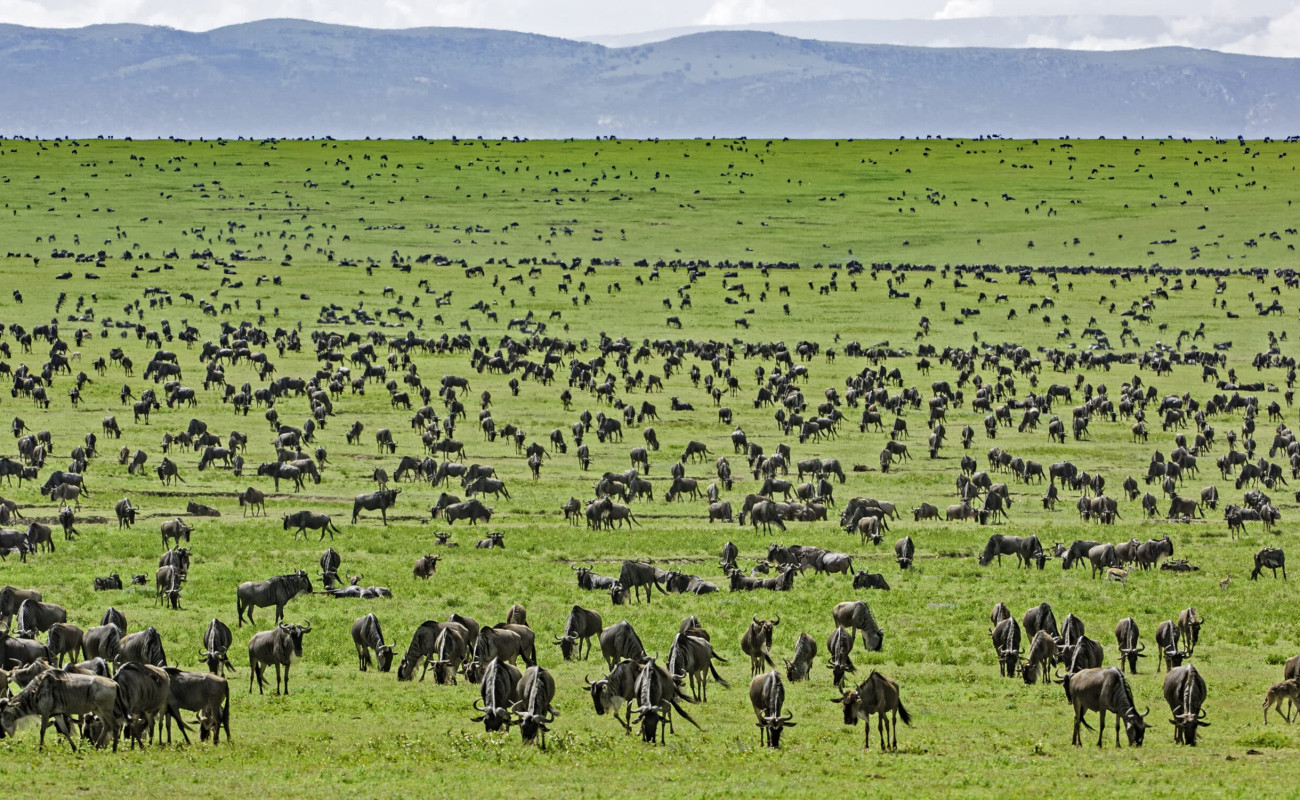
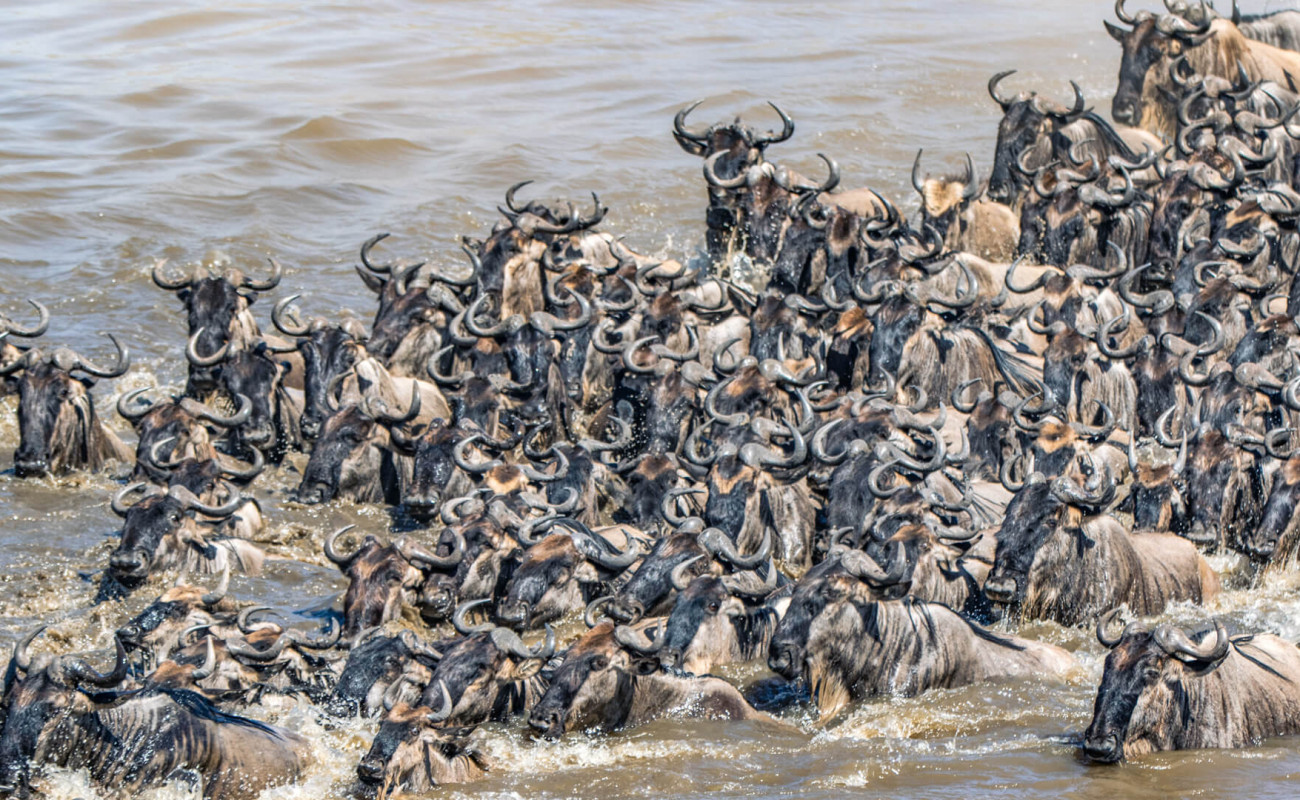
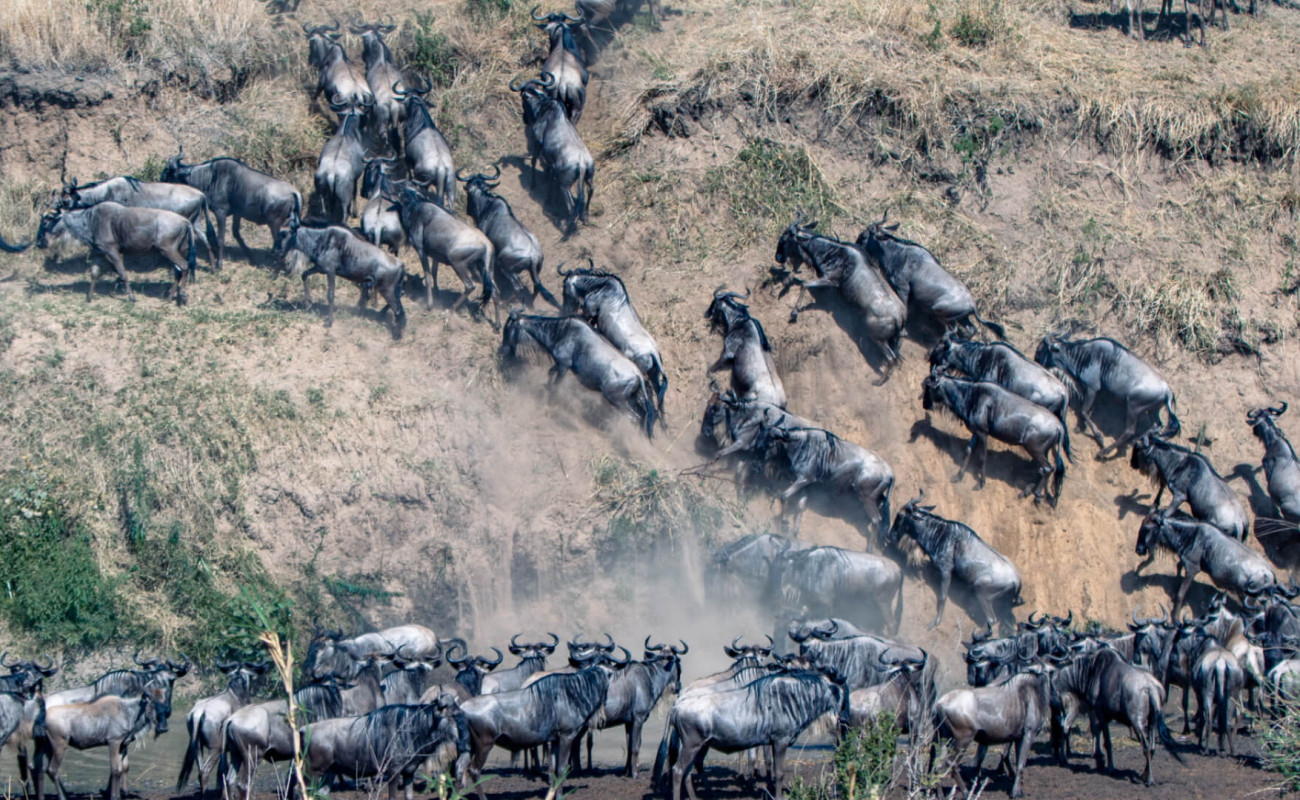
This is also the period when the migration moves through the northern regions toward the Mara River and into Kenya’s Masai Mara National Reserve , creating additional predator activity across the ecosystem.
Why it stands out:
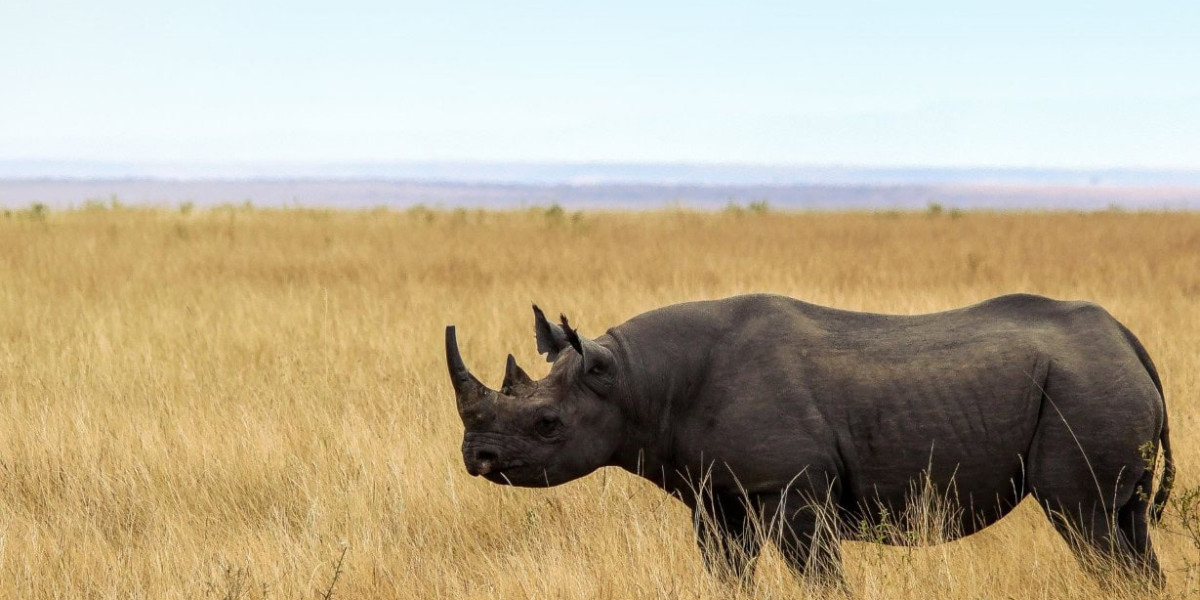
While often associated with the Great Migration, this period is equally powerful for Big Five encounters.
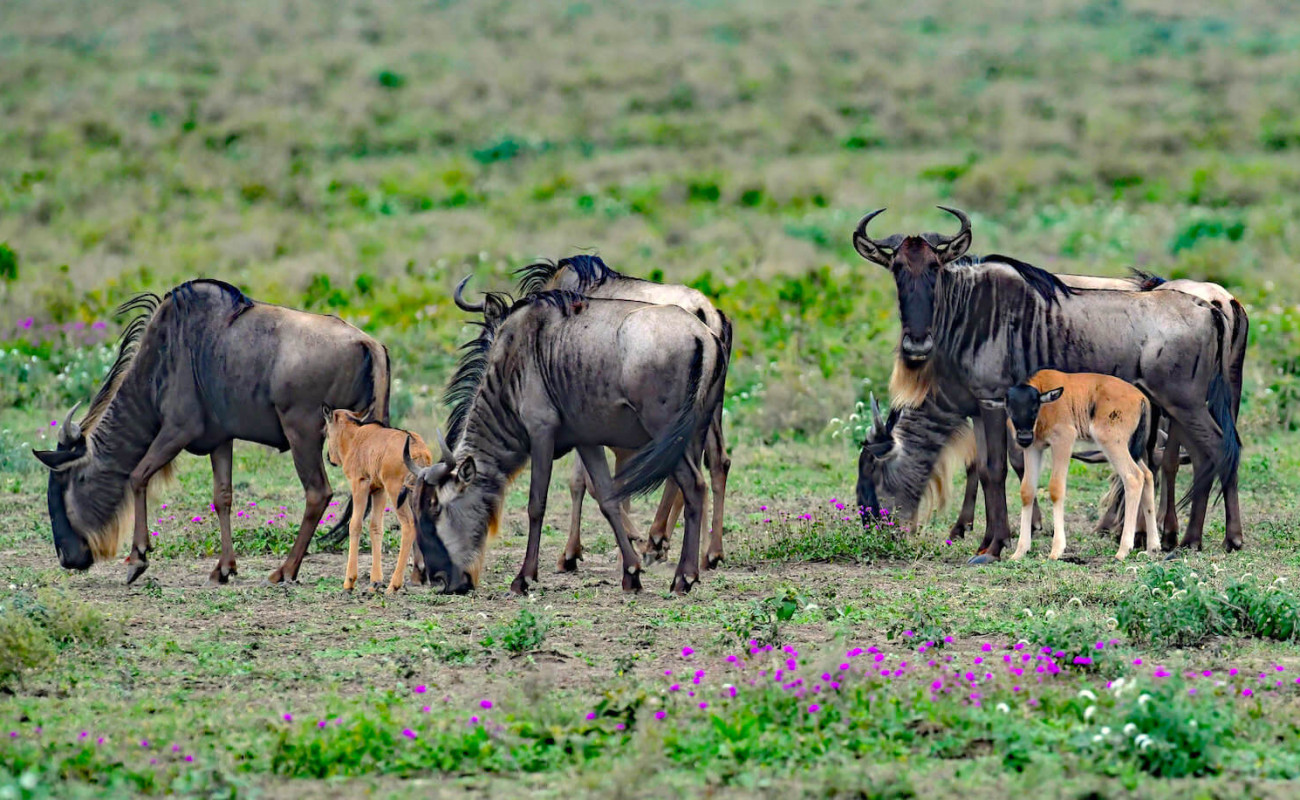
In the southern plains, thousands of wildebeest calves are born, attracting predators in large numbers. Lions and cheetahs are particularly active, offering incredible opportunities to witness hunting behavior.
Elephants and buffalo remain present, though more dispersed, while leopards continue to thrive in central Serengeti’s riverine areas. Although rhino sightings remain rare within the Serengeti itself, they are still possible in specific protected zones.
Why it stands out:
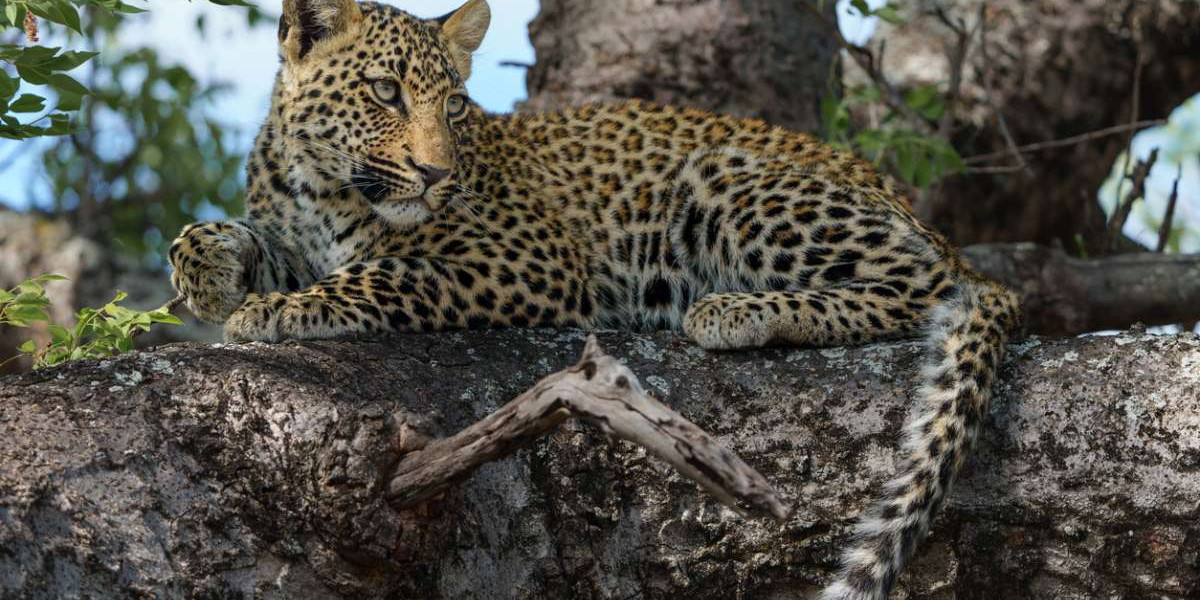
The long rains transform the Serengeti into a lush, vibrant landscape. While some travelers avoid this period, it offers a different kind of safari experience.
Wildlife is still abundant, but the taller grass and dense vegetation make spotting animals more challenging. However, for those who appreciate atmosphere, fewer crowds, and dramatic scenery, this season holds quiet rewards.
The Big Five are still present just more dispersed and requiring a skilled guide to locate.
Why it stands out:
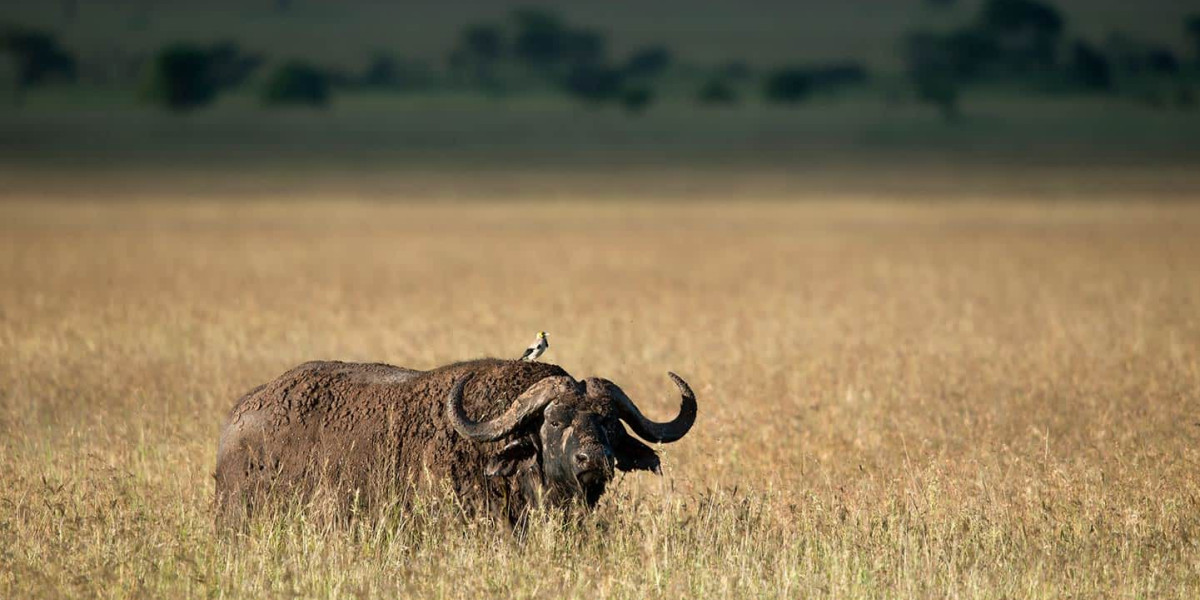
As short rains begin, the ecosystem refreshes itself. Wildlife spreads out as new grazing areas emerge, but sightings remain rewarding, particularly in the central Serengeti.
This is a balanced period offering a mix of accessibility, moderate crowds, and good wildlife viewing without the intensity of peak season.
Why it stands out:
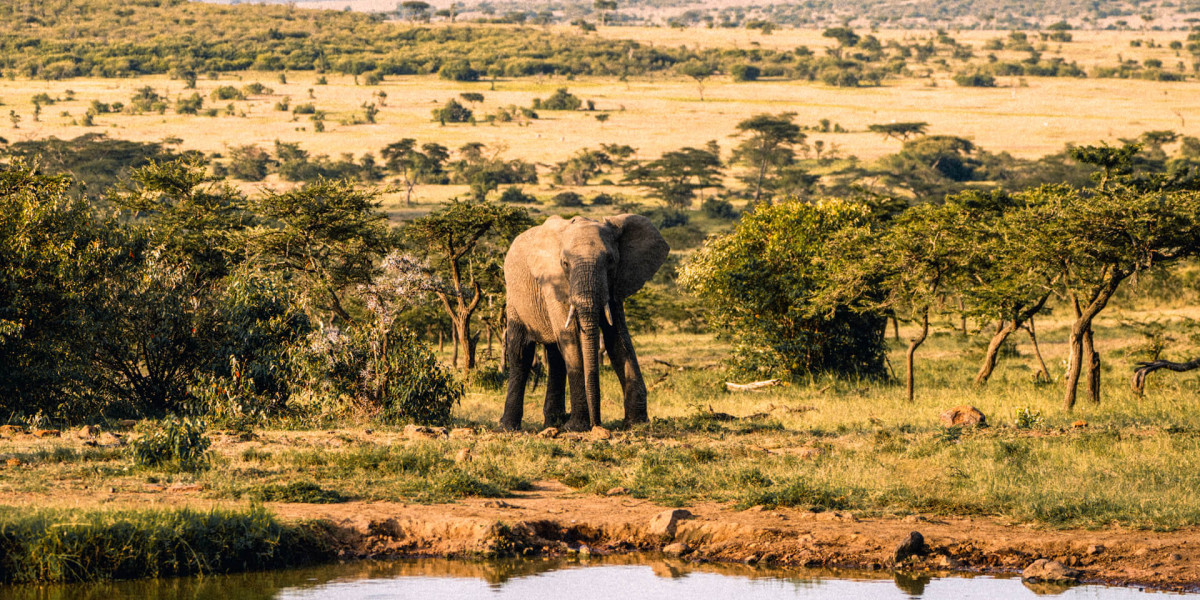
Location plays a critical role in your success:
For guaranteed rhino sightings, many itineraries combine the Serengeti with the nearby Ngorongoro Crater , one of the most reliable places in East Africa to see black rhinos.
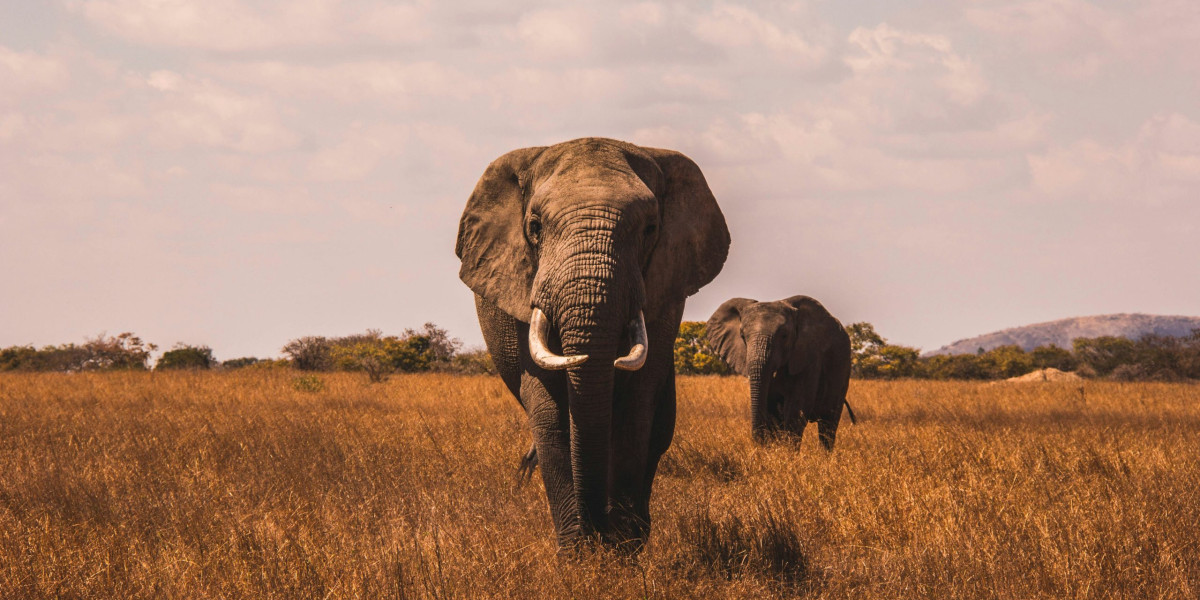
A Big Five safari is not only about ticking off a checklist. It is about understanding behavior, witnessing interactions, and feeling the scale of a landscape where these animals still roam freely.
In the Serengeti, every drive tells a different story. A lion pride resting under an acacia, a lone elephant crossing the horizon, or a leopard silently descending from a tree these are moments that define the experience.
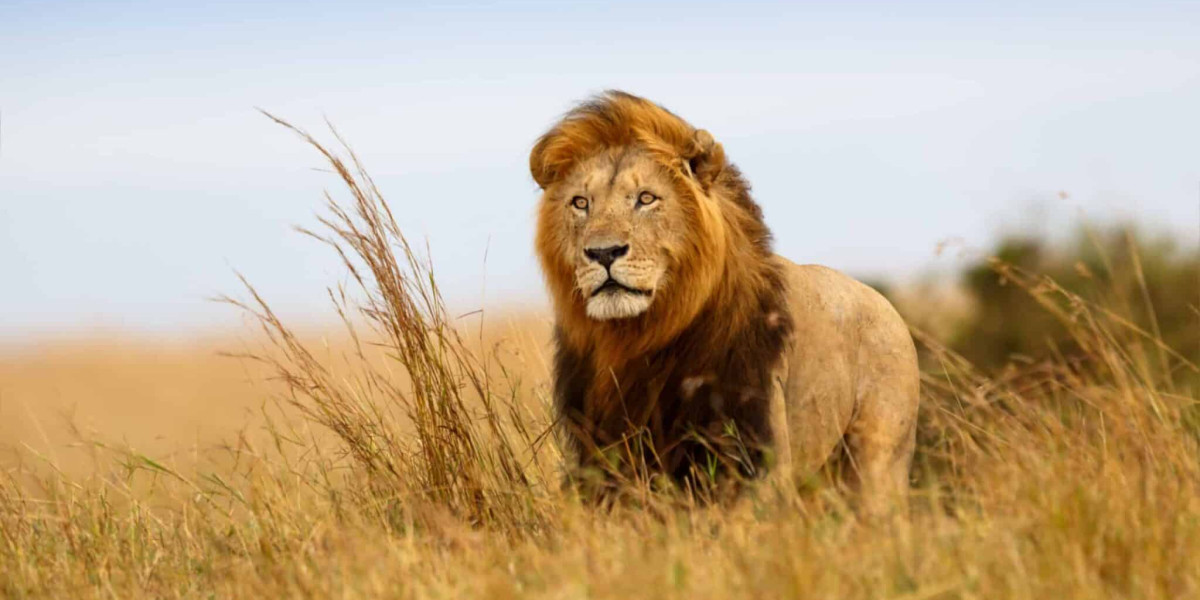
At Eagle Soul Adventure , every safari is crafted around timing, movement, and experience. Whether your goal is to see all members of the Big Five or to immerse yourself in the rhythm of the wild, your journey is designed with precision and local expertise.
Choose the right season. Follow the right path. Experience the Serengeti the way it was meant to be.