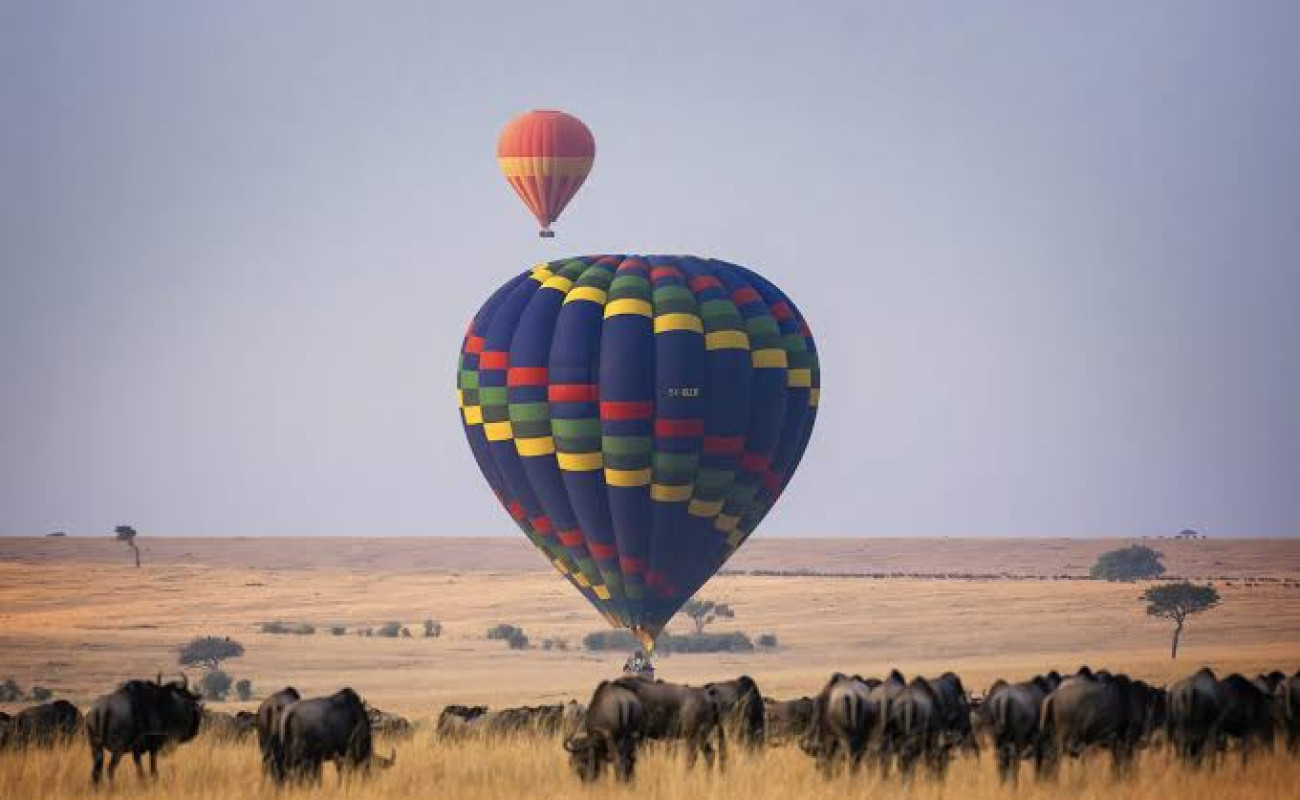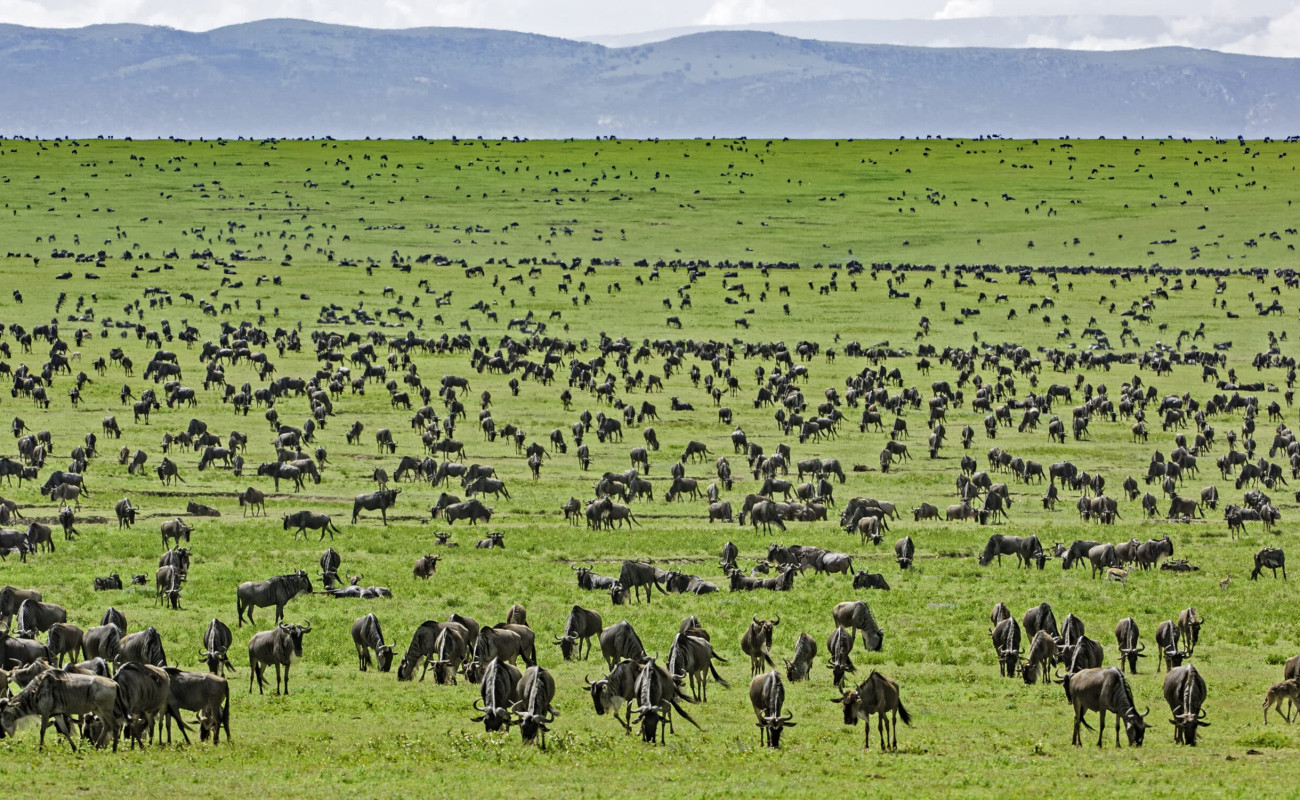

The Great Migration is widely considered the most spectacular wildlife movement on Earth. Each year, more than two million wildebeest, accompanied by hundreds of thousands of zebras and gazelles, travel across the vast plains of the Serengeti–Mara ecosystem in search of fresh grass and water. This remarkable journey unfolds across northern Tanzania and southern Kenya, primarily within Serengeti National Park and Masai Mara National Reserve .
One of the most common questions travelers ask is: When is the best time to see the Great Migration?
The truth is that the migration is a year-round natural cycle, not a single event. The herds are constantly moving across the ecosystem, and each season offers a completely different experience. Understanding these seasonal stages allows travelers to plan their safari at precisely the right time for the experience they seek.
Southern Serengeti and Ndutu Plains
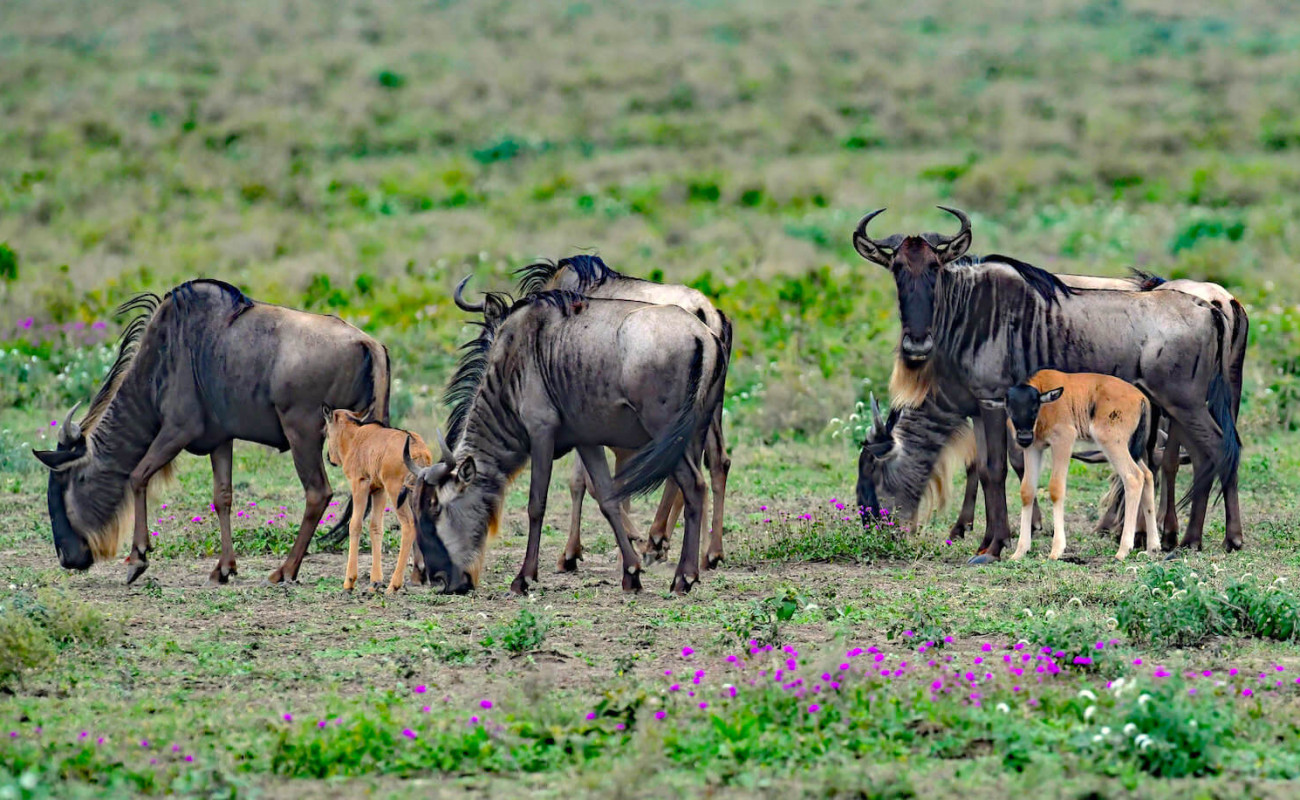
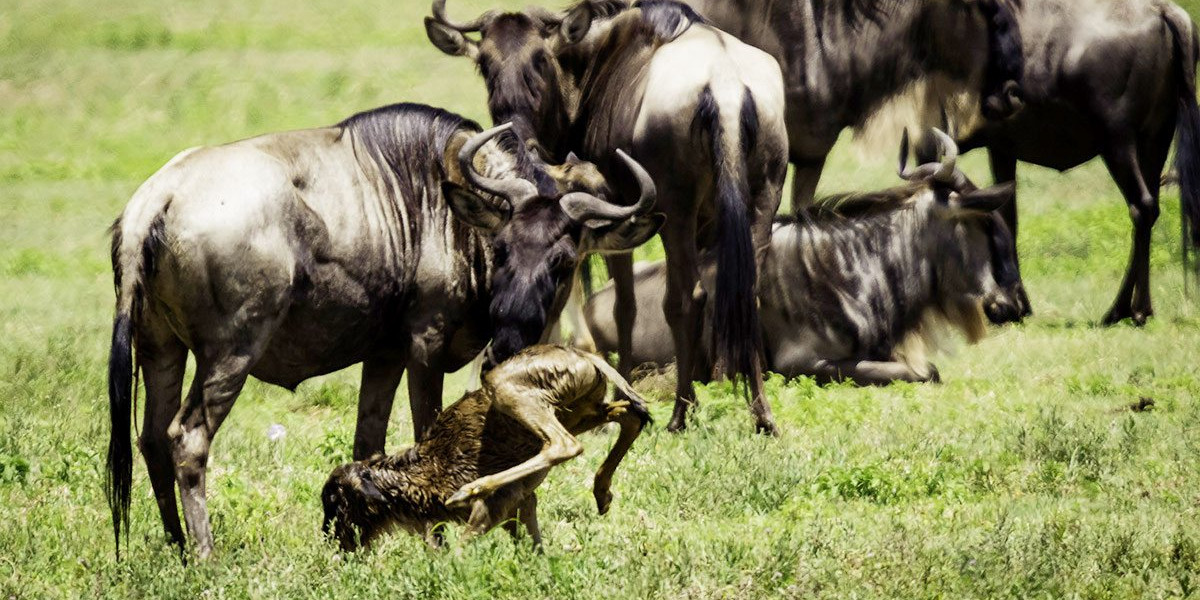
At the start of the year, the migration concentrates in the southern plains of Serengeti National Park , particularly around the Ndutu region. The short-grass plains here provide rich nutrients that support one of nature’s most extraordinary events the wildebeest calving season.
During a short window between late January and March, nearly half a million wildebeest calves are born. This sudden explosion of life transforms the landscape into a vibrant nursery of wildlife activity.
For predators such as lions, cheetahs, and hyenas, this period offers abundant hunting opportunities, creating some of the most intense and dramatic wildlife interactions in Africa. For photographers and wildlife enthusiasts, the calving season is one of the most rewarding times to visit.
The scenery during this time is also beautiful. Seasonal rains turn the plains green, the air is fresh, and wildlife spreads across the open landscapes in massive numbers.

Grumeti Region
As the long rains begin to end, the herds start moving northwest toward the western Serengeti. The migration funnels through the Grumeti region, where animals gather in enormous concentrations along the river systems.
Here, wildebeest engage in breeding behavior, while large crocodiles wait along the Grumeti River, creating tense wildlife encounters. Though these crossings are less famous than those in the north, they remain powerful and dramatic moments within the migration cycle.
During this stage, the herds stretch across the western plains of the Serengeti as they gradually begin their journey toward Kenya.
Northern Serengeti and Masai Mara
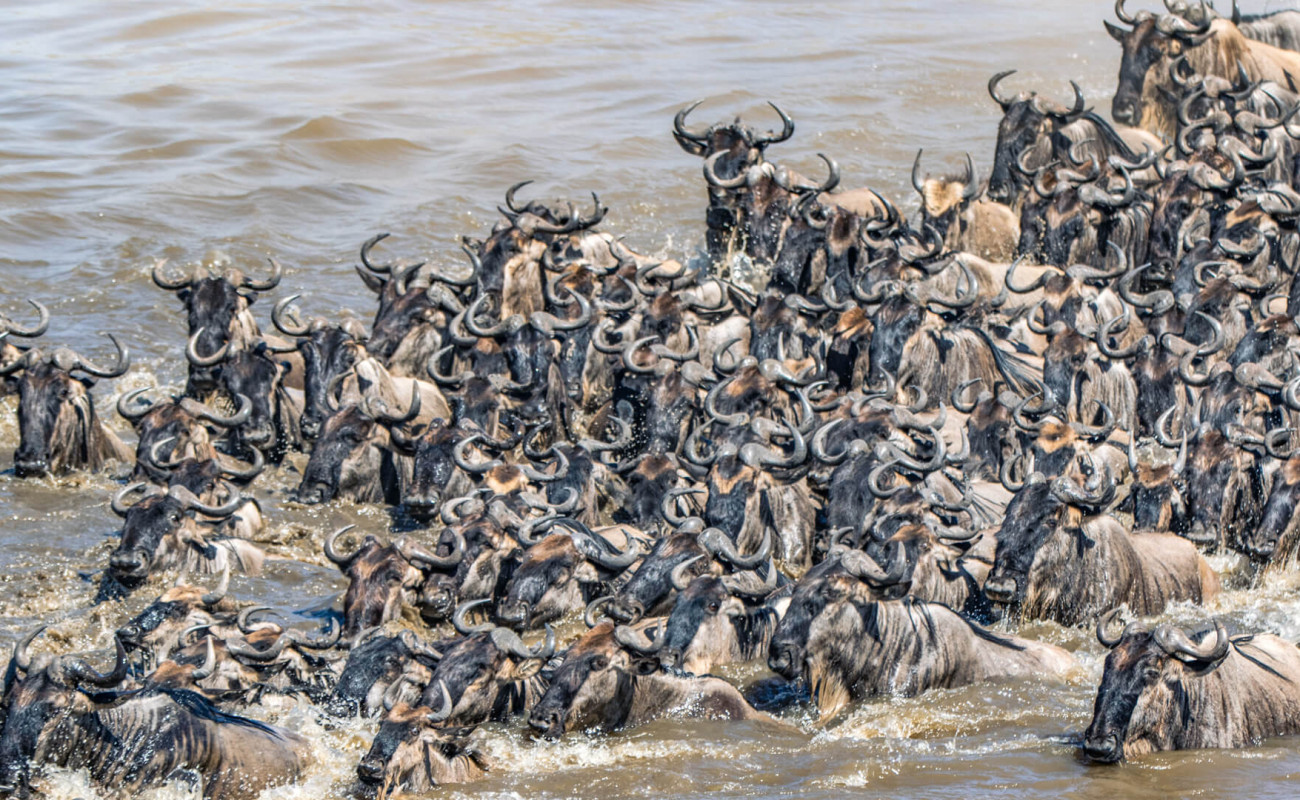
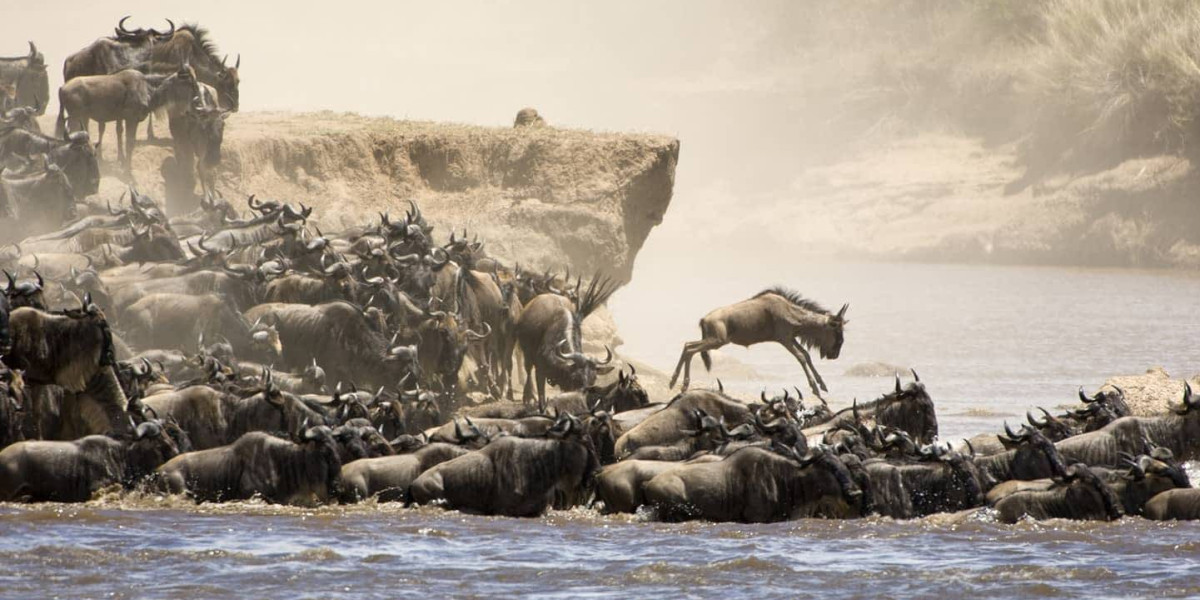
Between July and October, the migration reaches its most famous stage: the dramatic river crossings.
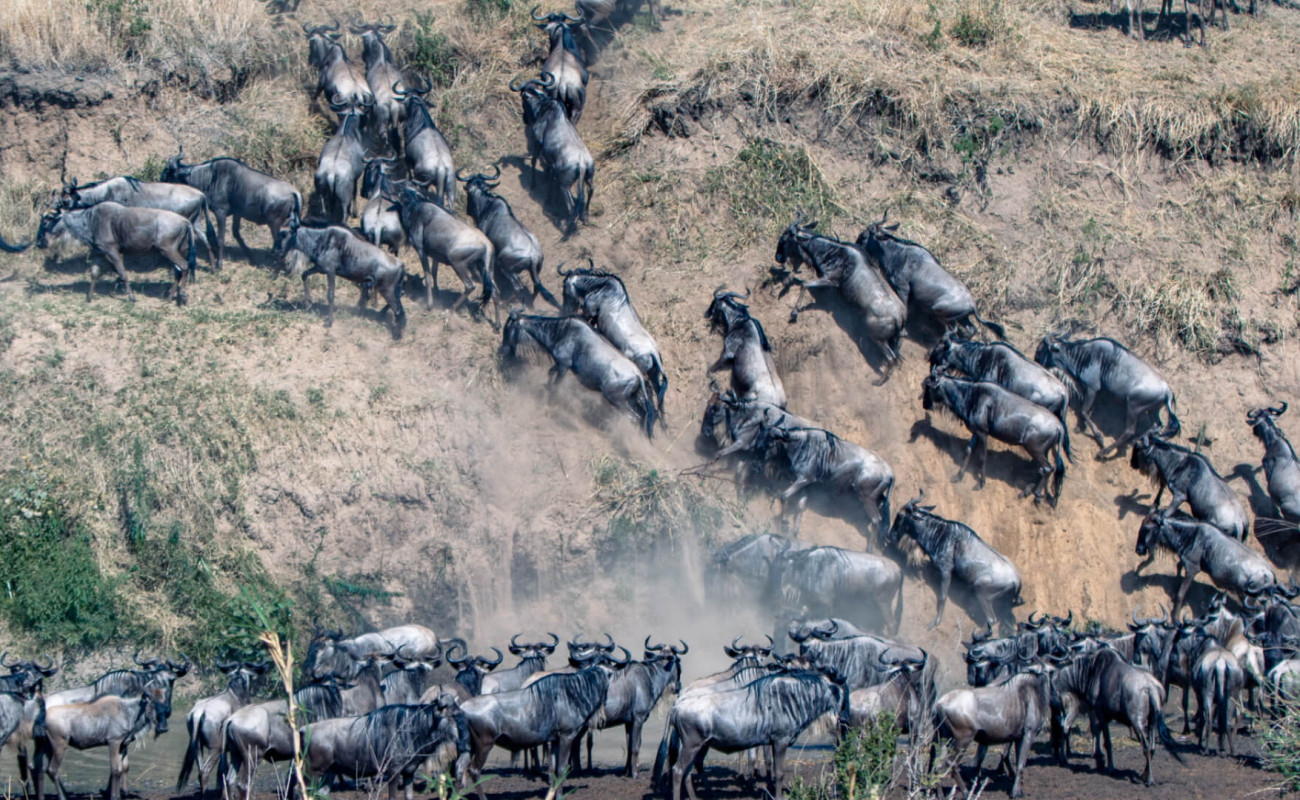
The herds arrive in the northern reaches of Serengeti National Park and begin crossing the crocodile-filled Mara River as they move into Masai Mara National Reserve .
These crossings are unpredictable, emotional, and often chaotic. Thousands of animals gather along the riverbanks before suddenly plunging into the rushing waters. Some crossings last minutes; others unfold over hours as animals hesitate, scatter, and regroup.
For many travelers, witnessing a Mara River crossing is the ultimate safari moment. The drama, the scale of the herds, and the constant predator presence make this season one of the most sought-after wildlife experiences in the world.
Central Serengeti
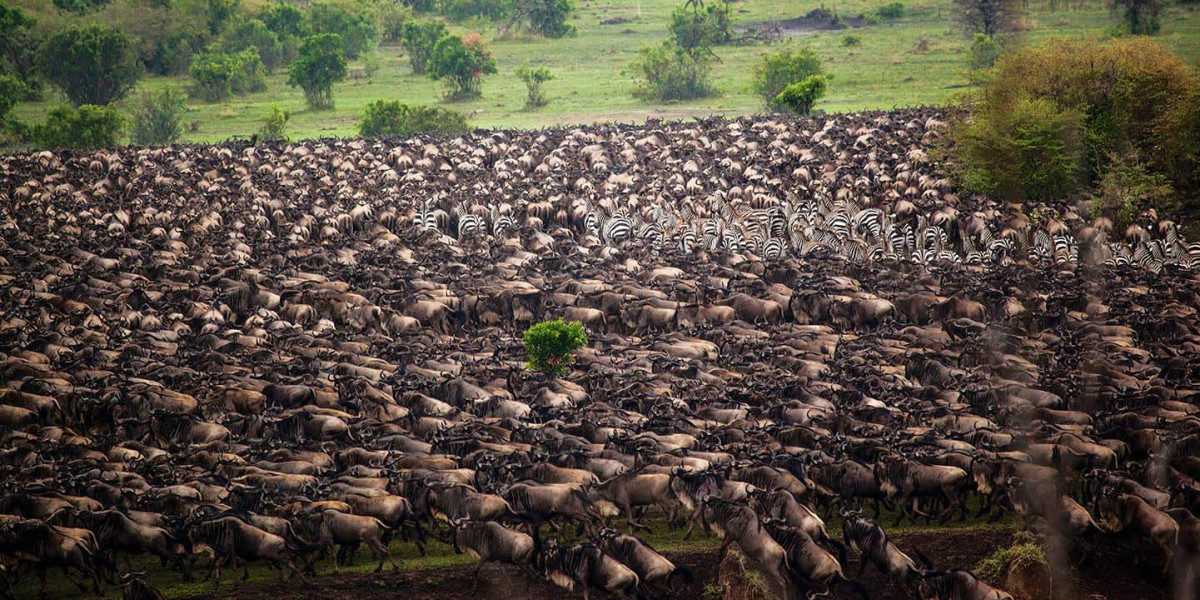
As the short rains begin, the migration starts moving south again from the northern Serengeti and Masai Mara back toward the central Serengeti plains.
During November and December, the herds spread across central areas such as Seronera, gradually making their way back toward the southern plains where the calving season will begin again.
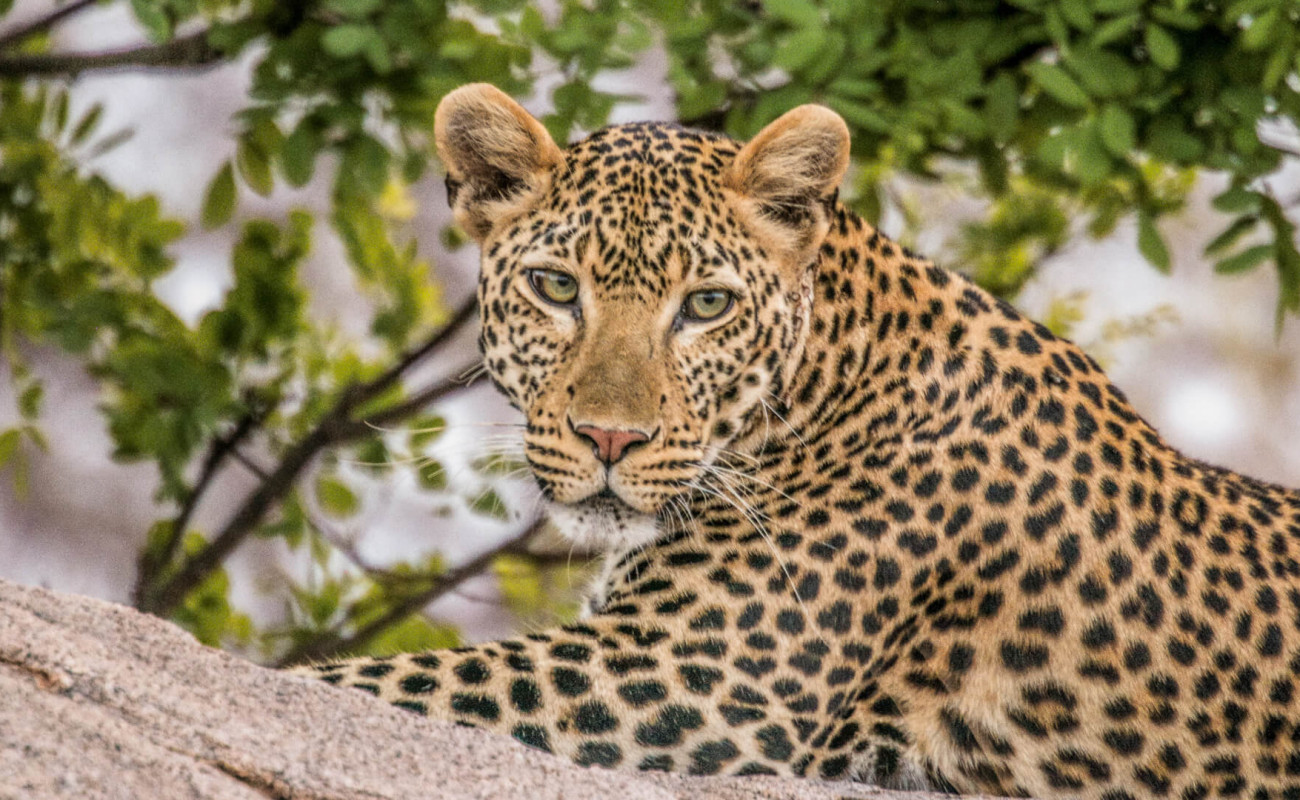
While the migration is less concentrated during this period, the central Serengeti offers exceptional Big Five and big cat sightings year-round, making it one of the most reliable safari destinations in Africa.
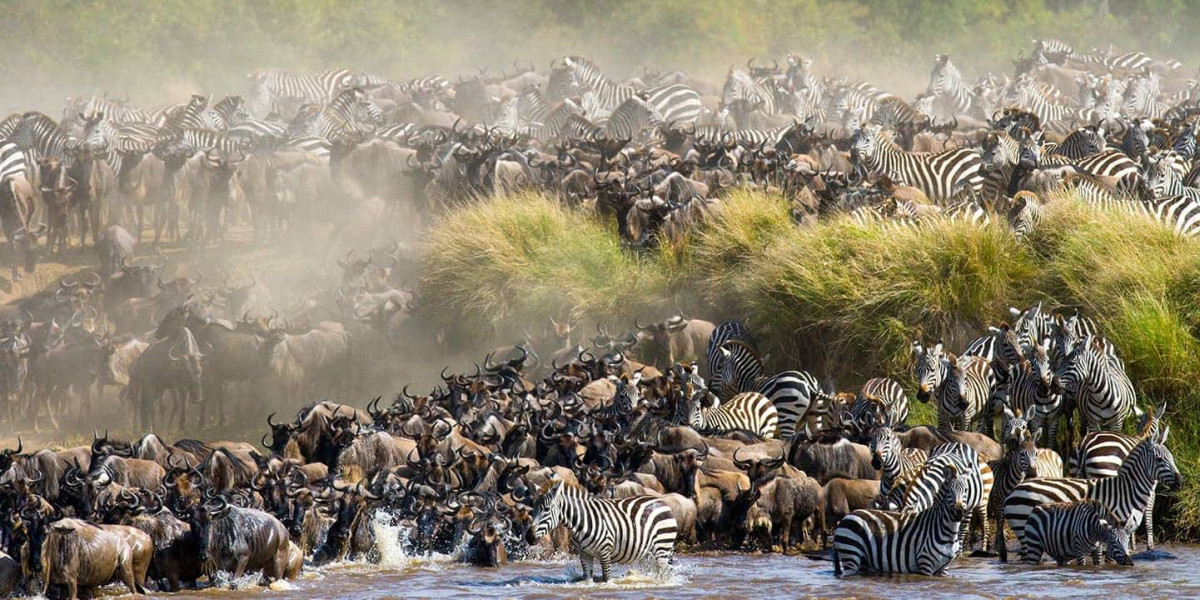
Rather than a single “best month,” the ideal time to witness the migration depends on the experience you want:
• January–March: Calving season and intense predator activity
• May–June: Breeding season and movement through the western corridor
• July–October: Dramatic Mara River crossings
• November–December: Migration returning south through the central Serengeti
Each stage reveals a different dimension of the migration, from newborn life to survival drama and vast animal movement across the savannah.
At Eagle Soul Adventure, we design carefully timed luxury safaris across East Africa, ensuring travelers experience the Great Migration at its most remarkable stages.
Our tailor-made journeys combine:
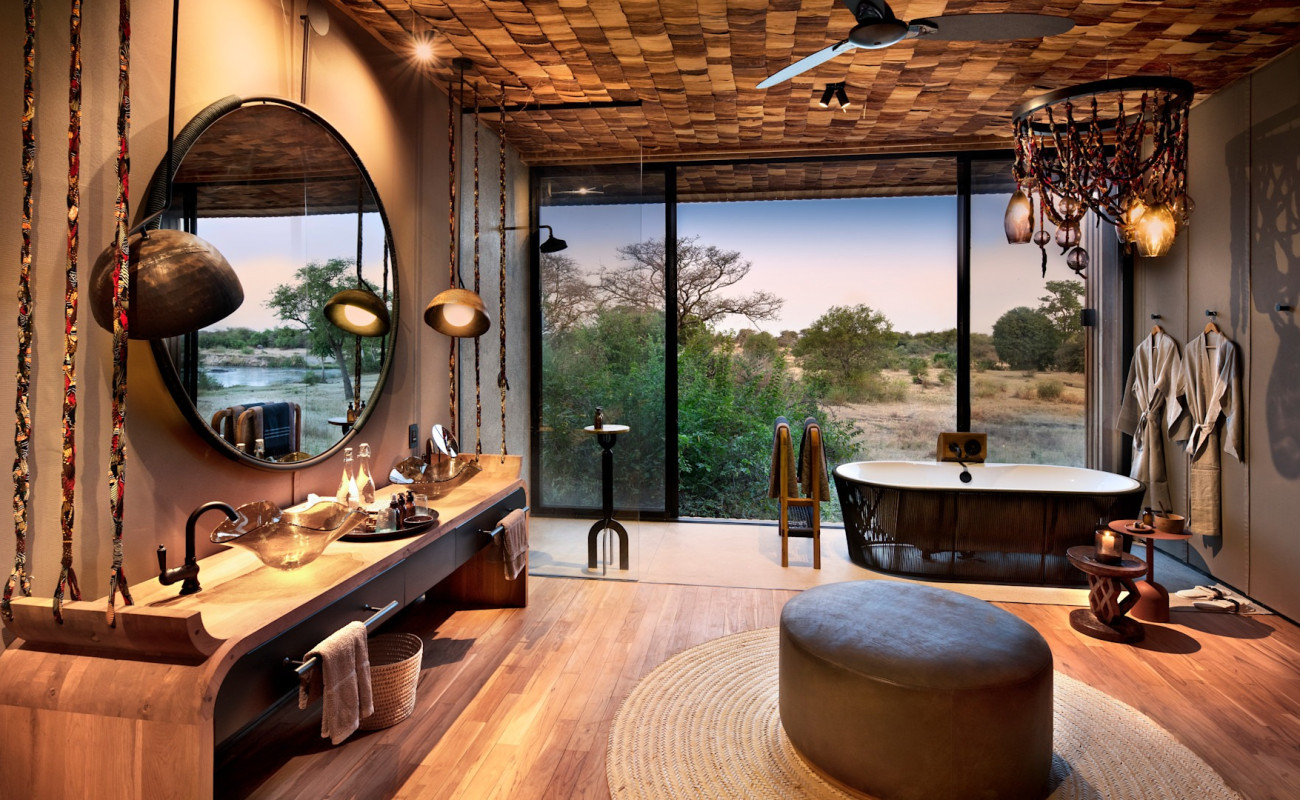
• Strategic lodge locations along migration routes
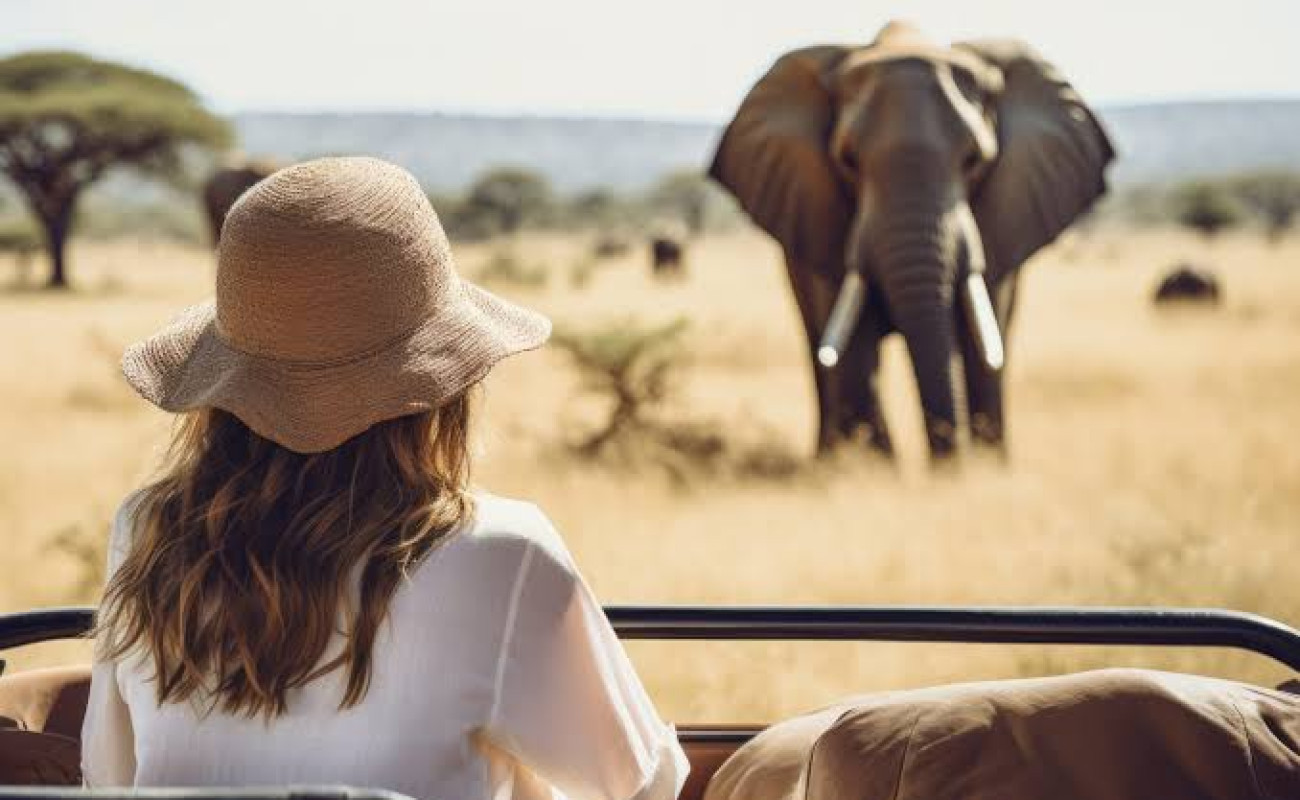
• Private safari vehicles and expert guides
• Big Five game drives across the Serengeti ecosystem
• Optional extensions to Bwindi Impenetrable National Park or Volcanoes National Park for gorilla trekking
• Relaxing beach escapes in Zanzibar or Diani Beach
Because the Great Migration is not just about seeing animals it is about witnessing one of the last great natural spectacles on Earth.