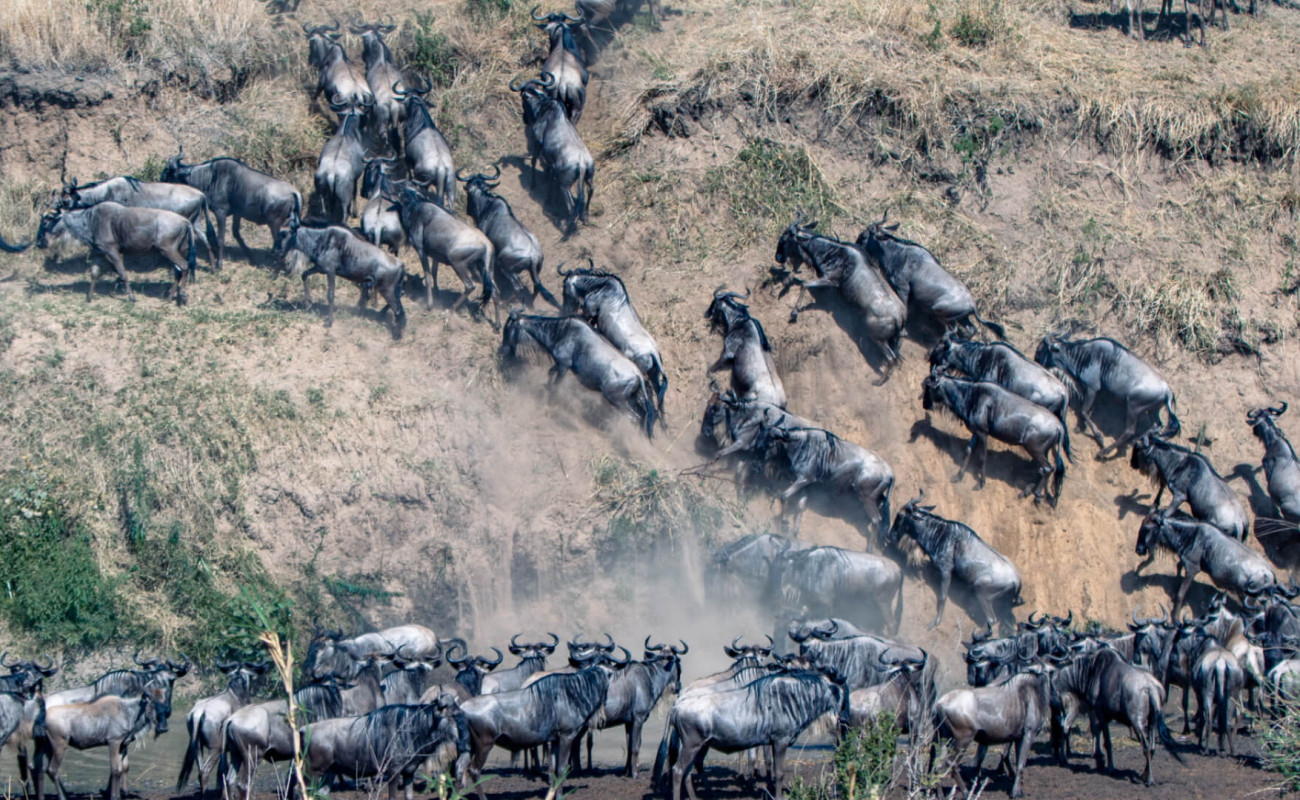
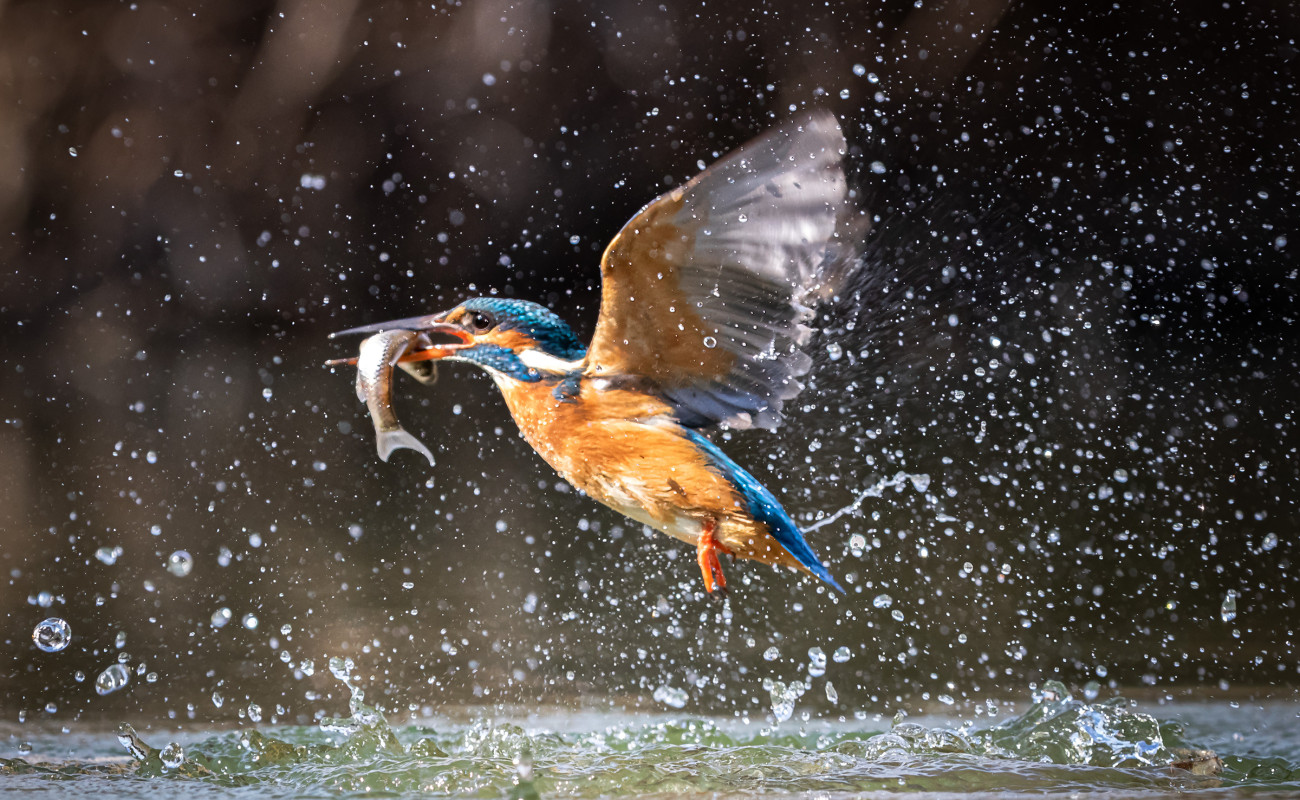

Kenya’s landscapes are alive not only with wildlife, but with extraordinary birdlife that adds depth, color, and movement to every safari. From open savannahs to freshwater lakes and wetlands, each habitat reveals species that are as fascinating as they are beautiful.
At Eagle Soul Adventure, we guide our guests beyond the obvious ,helping them notice the details that turn a safari into a complete experience. Below are ten remarkable bird species to look for in Kenya, along with where and how you are most likely to encounter them.
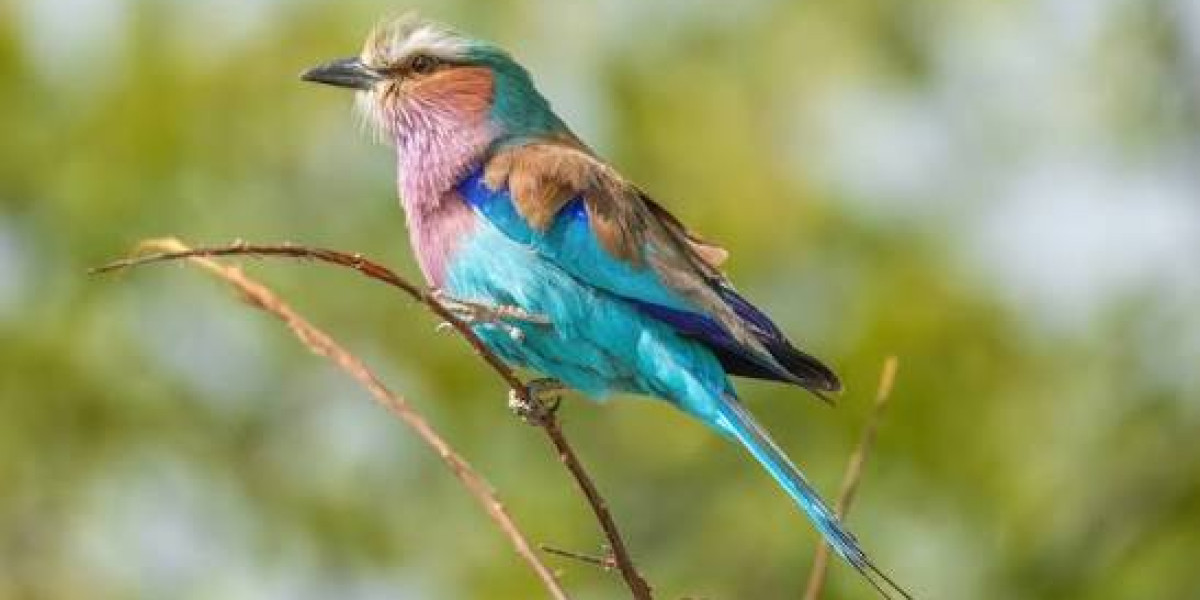
The lilac-breasted roller is often the first bird that captures attention on safari. Its vivid blend of lilac, turquoise, and deep blue makes it unmistakable, especially when it takes flight.
It is most commonly seen in open grasslands and scattered acacia woodlands, particularly in the Masai Mara National Reserve and Amboseli National Park . The bird prefers elevated perches such as tree branches or shrubs, where it patiently watches for insects before diving down.
During early mornings and late afternoons, it becomes more active, often performing short, acrobatic flights that reveal its full range of color.
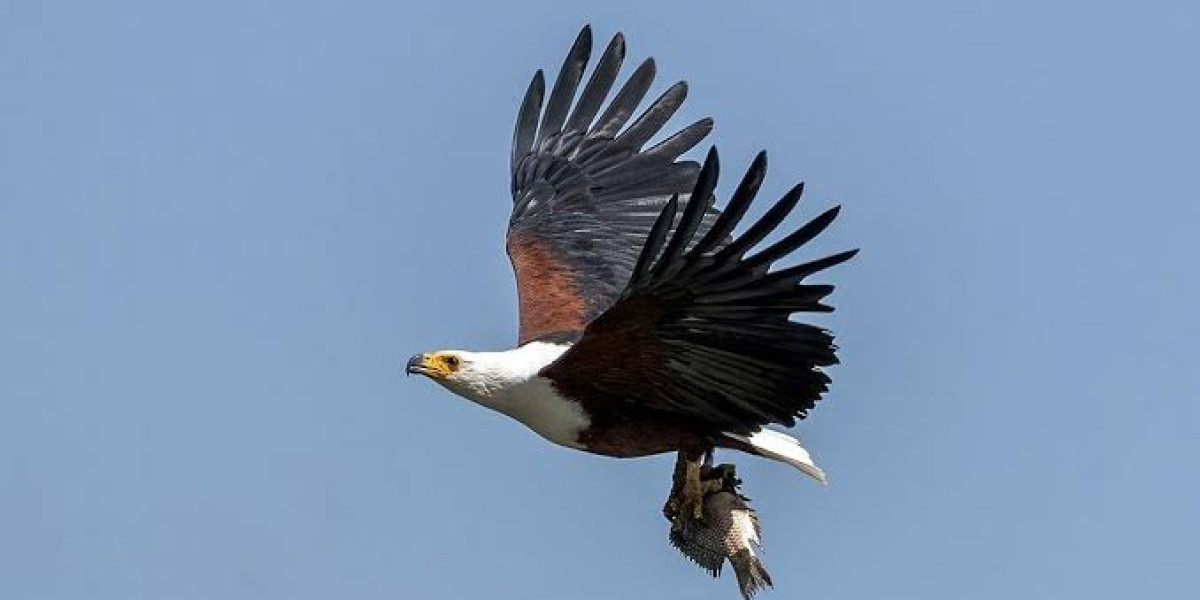
Few sounds define Africa as clearly as the call of the African fish eagle. Its presence is strongly tied to water, and its striking white head and dark body make it easy to recognize from a distance.
It is best observed around freshwater lakes and rivers such as Lake Naivasha and along waterways in Samburu National Reserve . The eagle is often seen perched high in trees overlooking water, scanning for fish.
With patience, you may witness its powerful hunting technique diving down and lifting a fish from the surface with its talons.
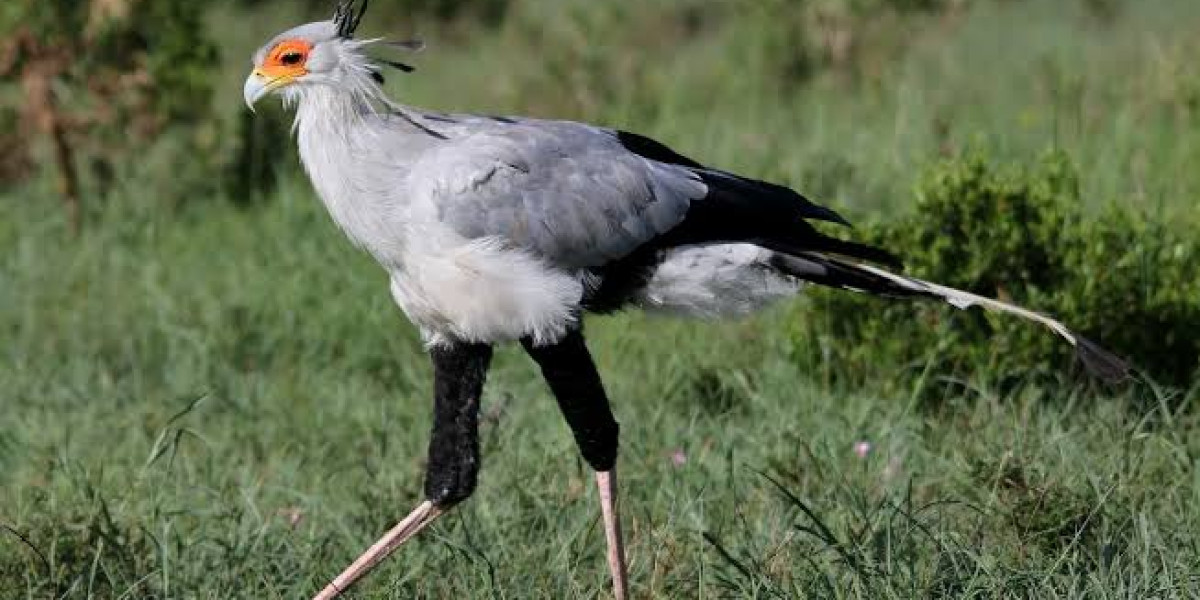
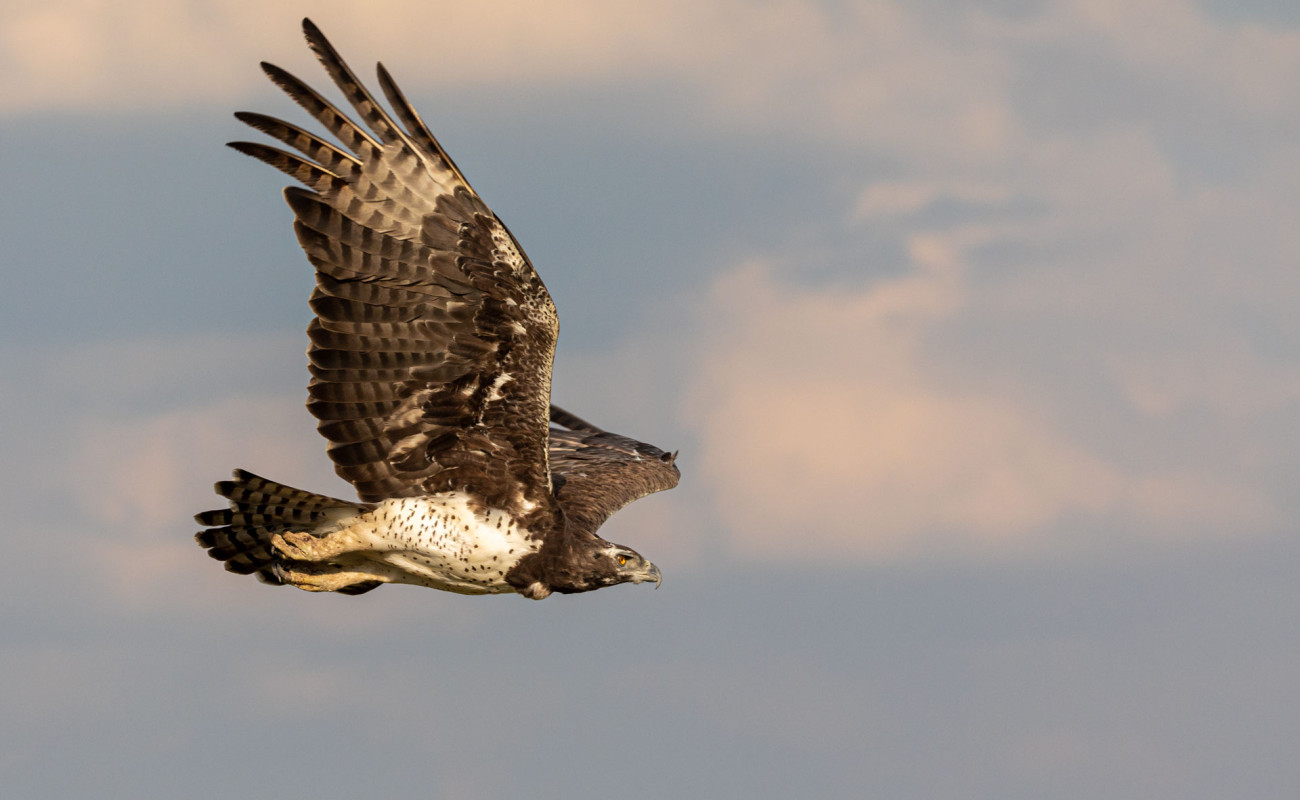
Tall and elegant, the secretary bird is unique among birds of prey for its preference for walking rather than flying while hunting.
It thrives in wide, open landscapes such as the Maasai Mara National Reserve and Amboseli National Park . Here, it moves slowly through the grass, searching for snakes, rodents, and insects.
Its hunting style is remarkable.it uses powerful, deliberate stomps to strike prey, especially snakes. Sightings are most common during the day when it is actively foraging.
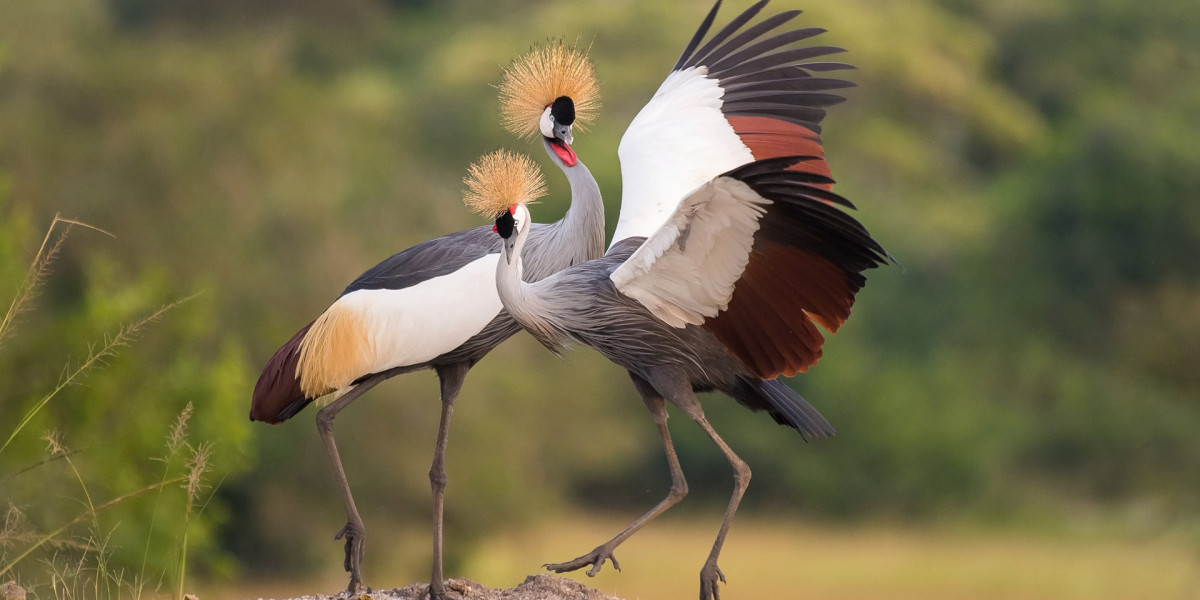
Distinguished by its golden crown and elegant posture, the grey crowned crane is one of Kenya’s most graceful birds.
It is typically found in wetlands and grassy floodplains, especially around Lake Nakuru National Park and Amboseli National Park . These areas provide the shallow water and vegetation it prefers.
Often seen in pairs, cranes engage in synchronized movements and displays, particularly during breeding periods. Early morning and late afternoon are the best times to observe their activity.
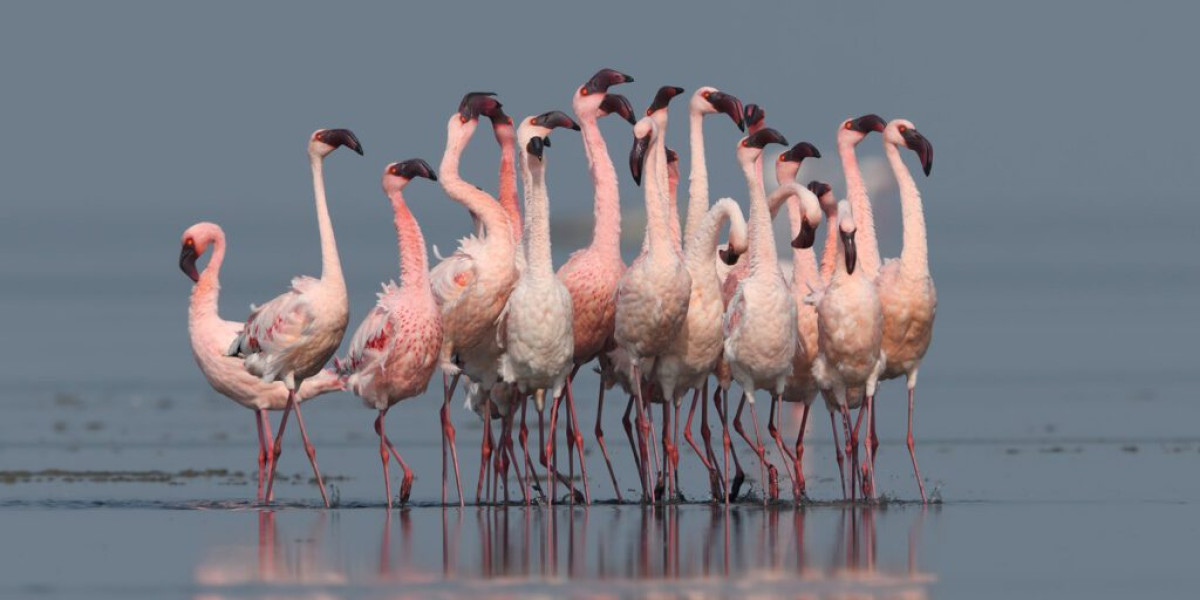
Flamingos create one of Kenya’s most iconic natural scenes, gathering in large numbers along alkaline lakes.
The best locations to observe them are Lake Nakuru National Park and Lake Bogoria . Here, they feed on algae in shallow waters, forming dense pink bands along the shoreline.
Their presence can vary depending on water levels and food availability, but when conditions are right, the spectacle is extraordinary. Mid-morning often provides the clearest views as light reflects off the water.
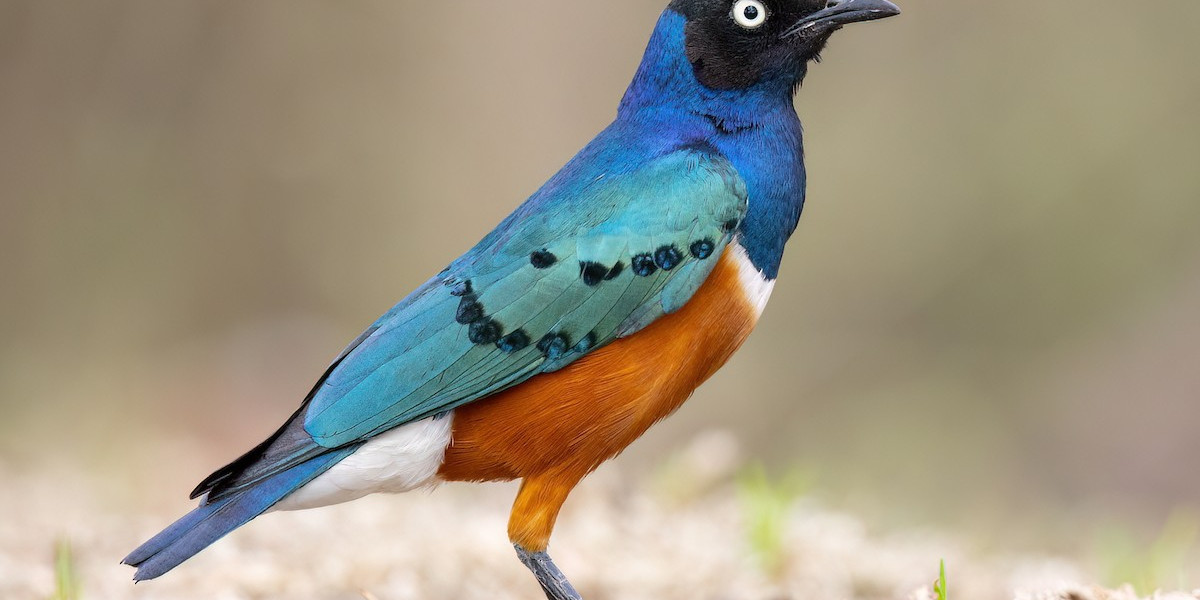
The superb starling is a smaller bird, yet one of the most visually striking due to its iridescent blue-green feathers and rich orange underside.
It is commonly found across many safari areas, including camps and lodges in the Masai Mara National Reserve and Amboseli National Park . Its adaptability makes it one of the most frequently seen birds.
Highly social, it moves in groups and is constantly active, making it easy to observe throughout the day.
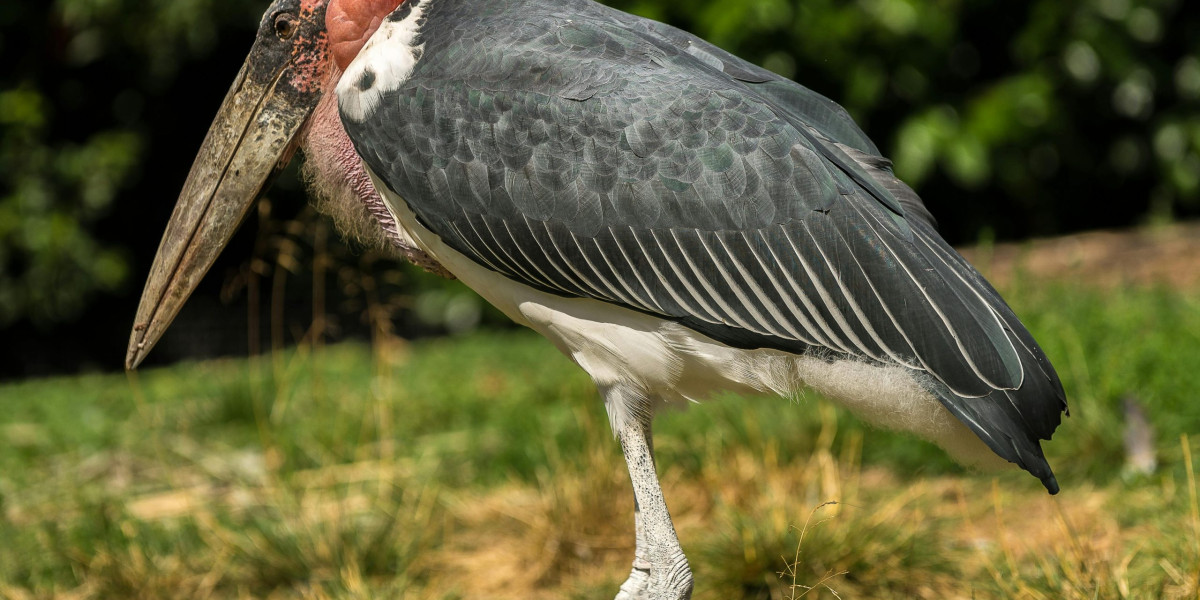
Large and unmistakable, the marabou stork is often seen near water or open plains where it feeds on carrion.
It is commonly spotted in the Masai Mara National Reserve and around urban edges or wetlands. Despite its imposing appearance, it plays a vital ecological role by cleaning up remains left by predators.
It is most active during the day, often seen standing still for long periods before moving slowly between feeding areas.
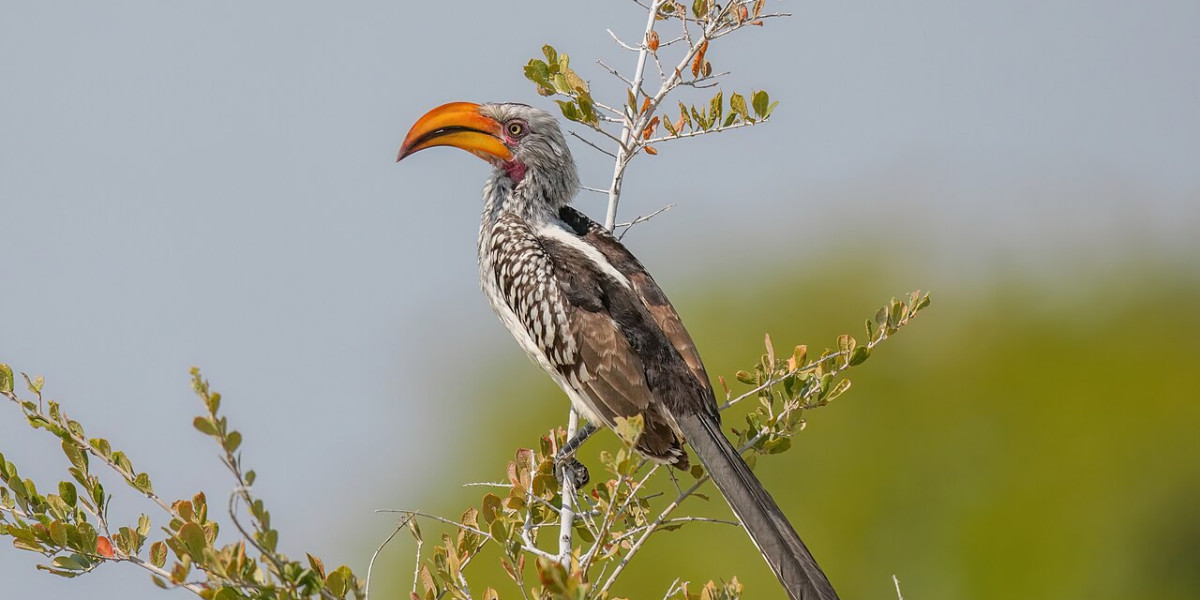
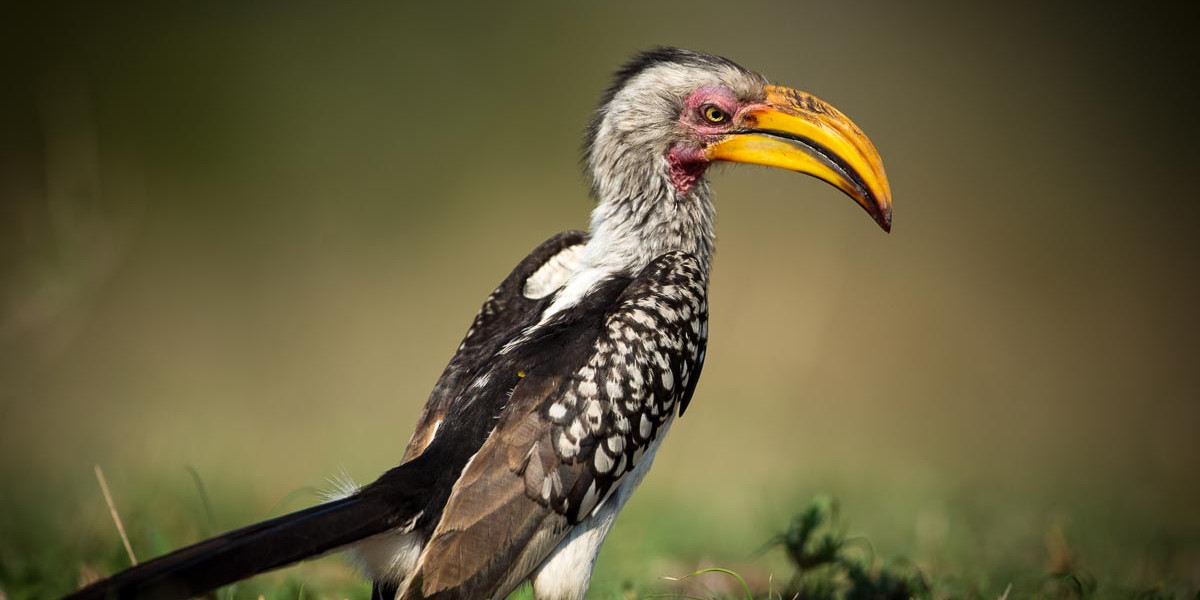
Recognizable by its curved yellow bill, this hornbill is full of personality and movement.
It is best seen in drier regions such as Samburu National Reserve and Tsavo East National Park . It spends much of its time on the ground, searching for insects and small prey.
Its behavior is lively and curious, often moving close to vehicles, making it one of the more engaging birds to observe.
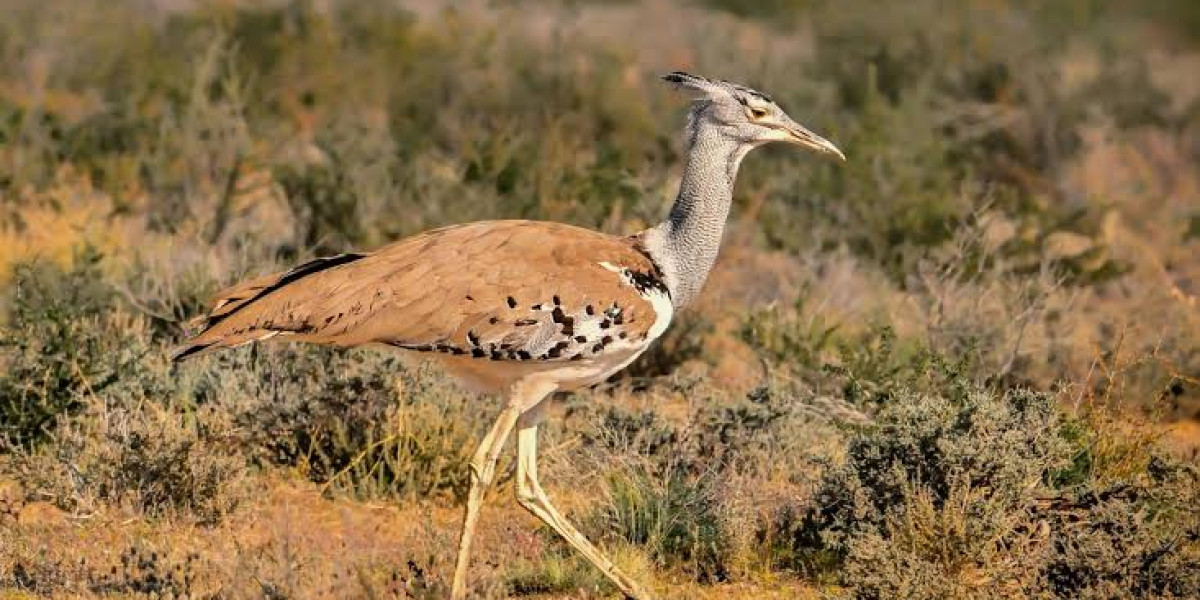
The kori bustard is one of the heaviest flying birds in the world, though it is more often seen walking.
It prefers open grasslands such as the Masai Mara National Reserve , where its size and slow movement make it stand out.
Because of its weight, it rarely takes flight unless disturbed, so sightings usually involve watching it move steadily across the plains, feeding on insects and small animals.
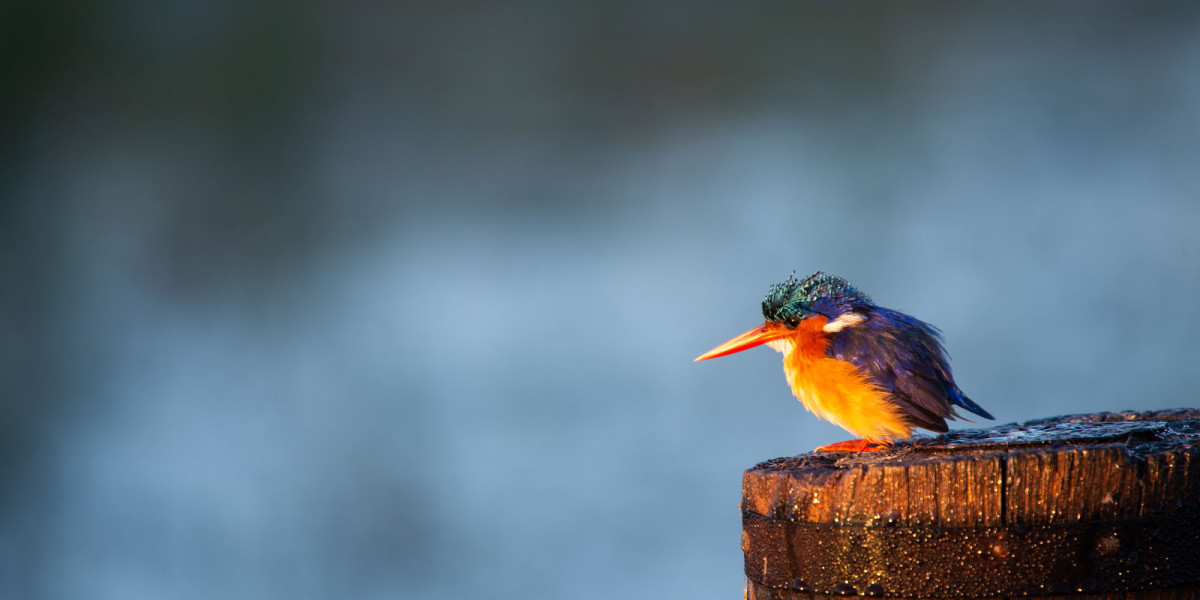
Small yet intensely colorful, the malachite kingfisher is one of the most rewarding birds to spot.
It is typically found near calm, shallow waters such as Lake Naivasha and river edges. It perches quietly on reeds or branches before diving rapidly to catch fish.
Due to its size and quick movements, it requires patience to observe, but the reward is a striking display of color and precision.
Birdlife in Kenya is not simply about adding species to a list,it is about enriching the entire safari experience. Birds bring movement to still landscapes, sound to silent moments, and color to every corner of the environment.
At Eagle Soul Adventure, we ensure that every safari goes beyond the expected. Whether you are drawn to iconic species or subtle details, Kenya offers a birding experience that is both diverse and deeply rewarding.
For a safari designed with attention to every detail from wildlife to birdlife,Eagle Soul Adventure invites you to discover Kenya through a more complete and immersive lens.