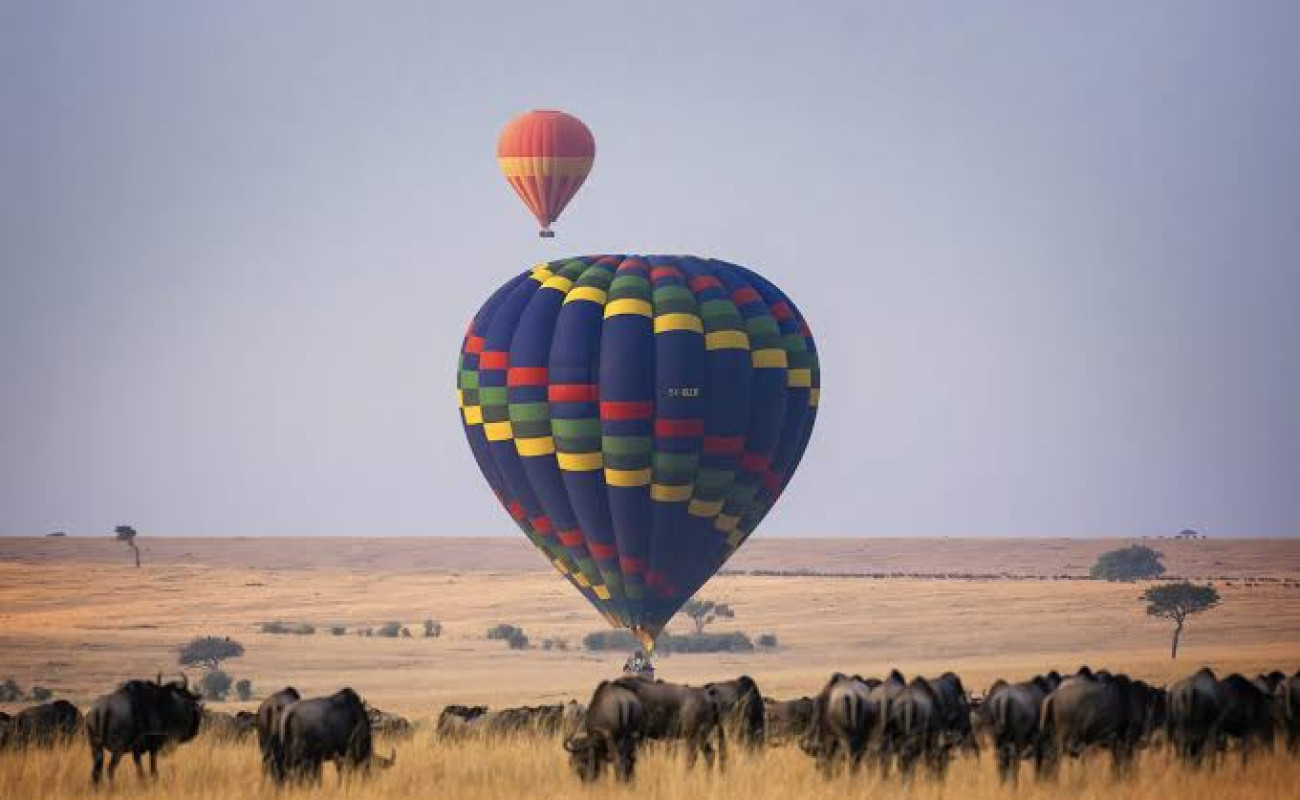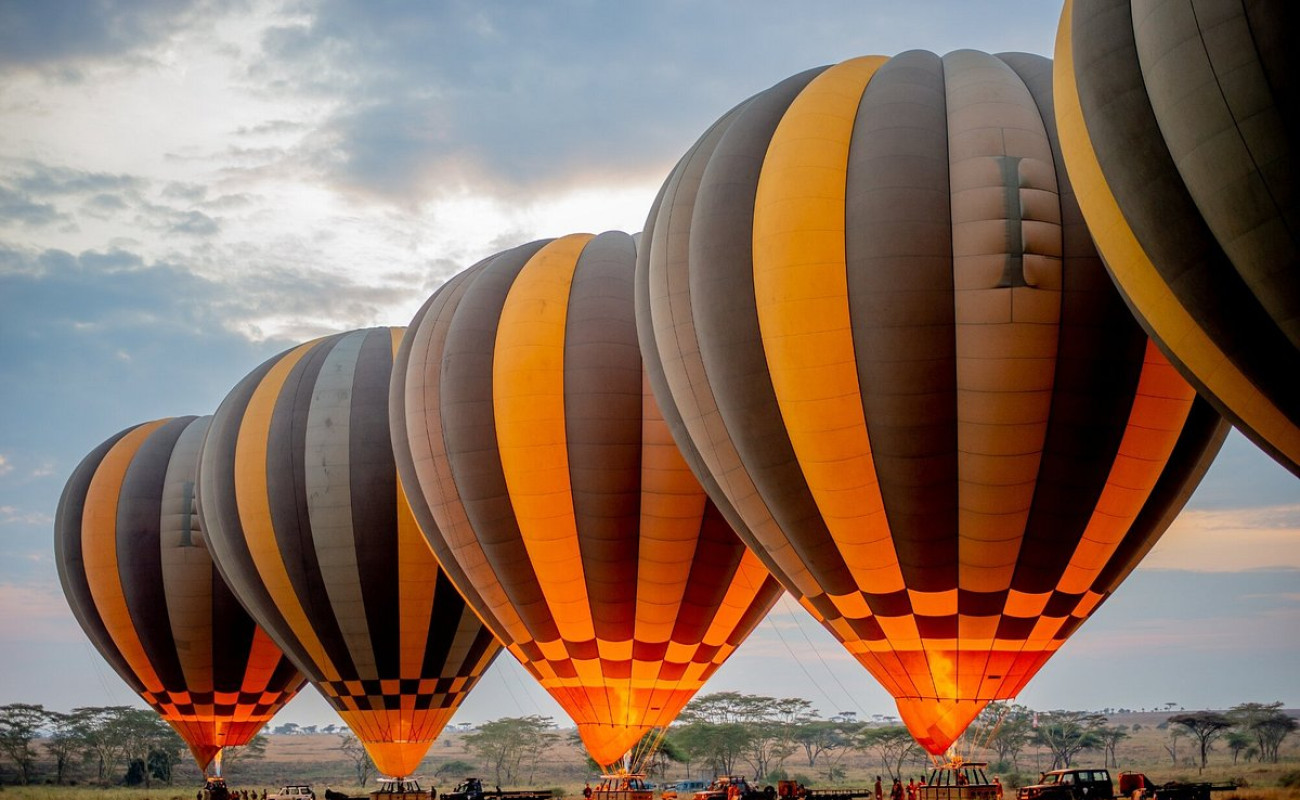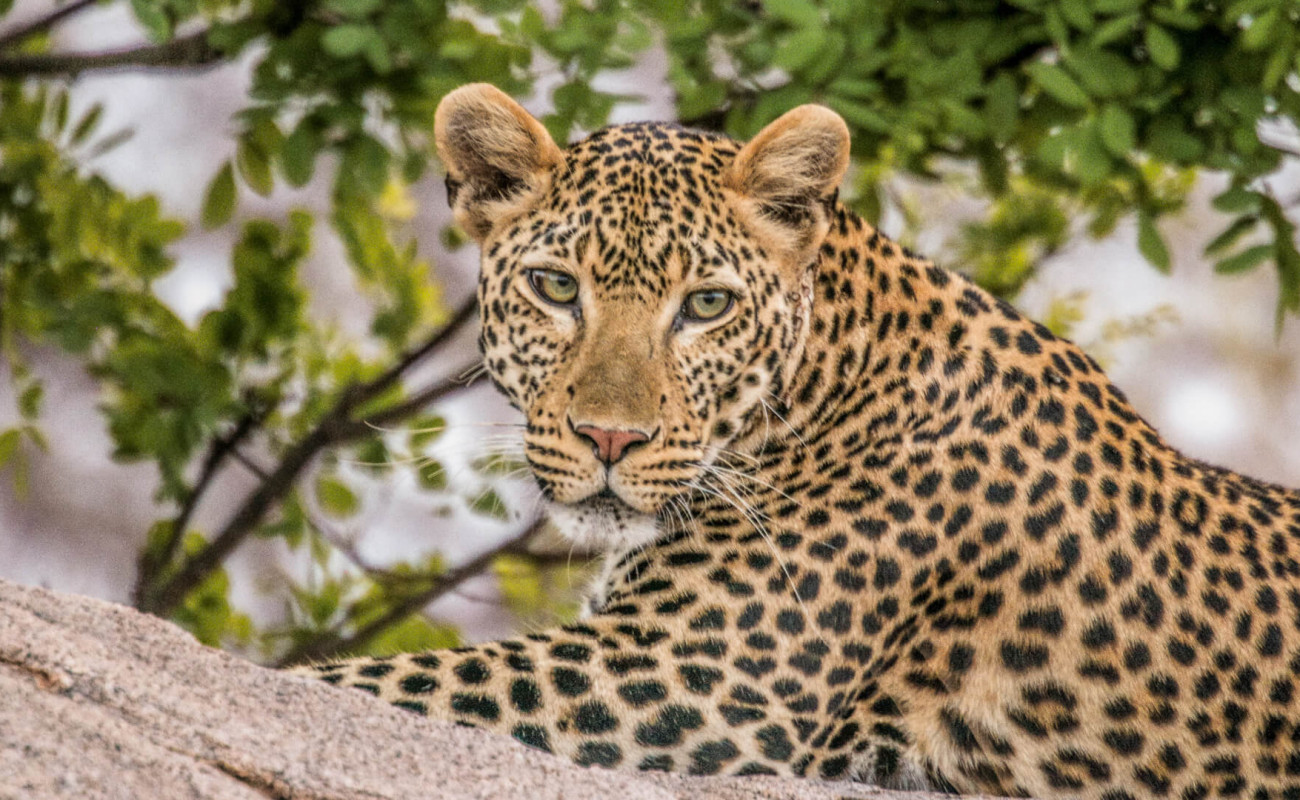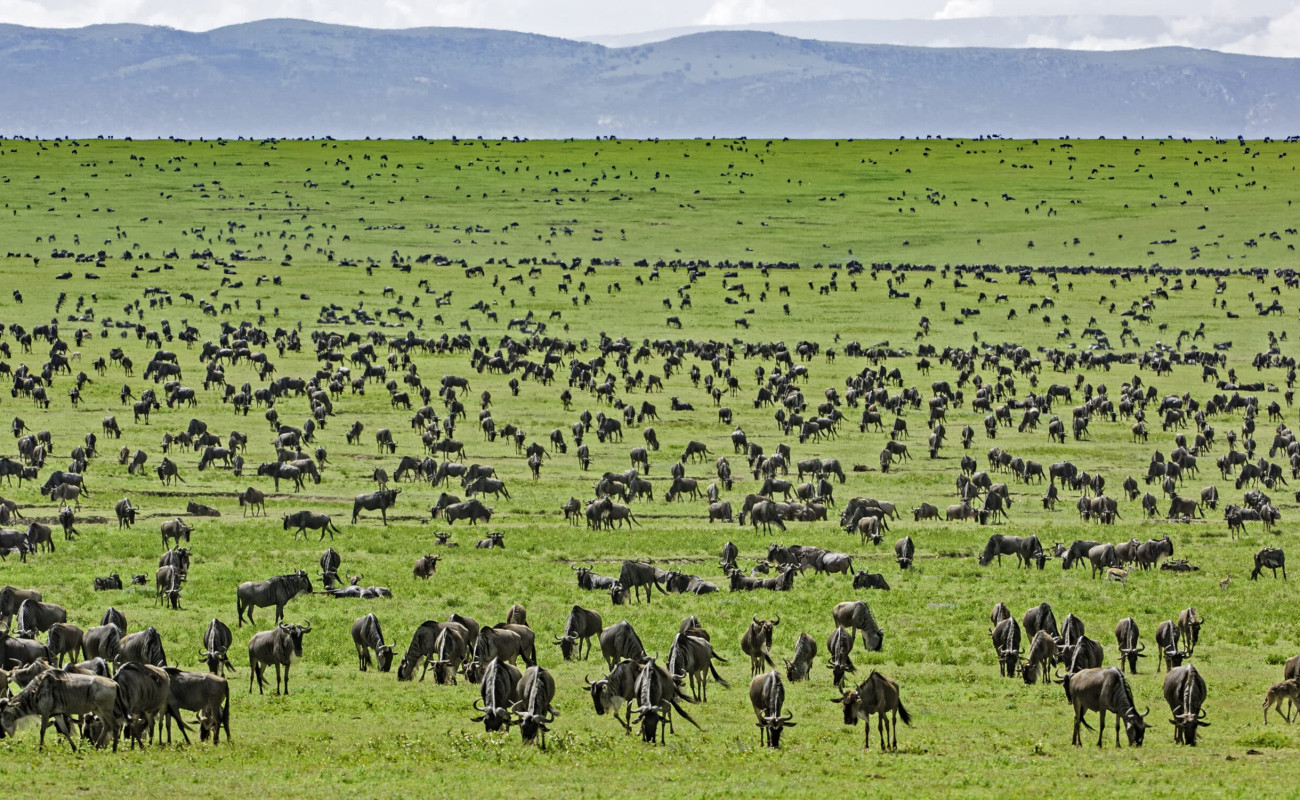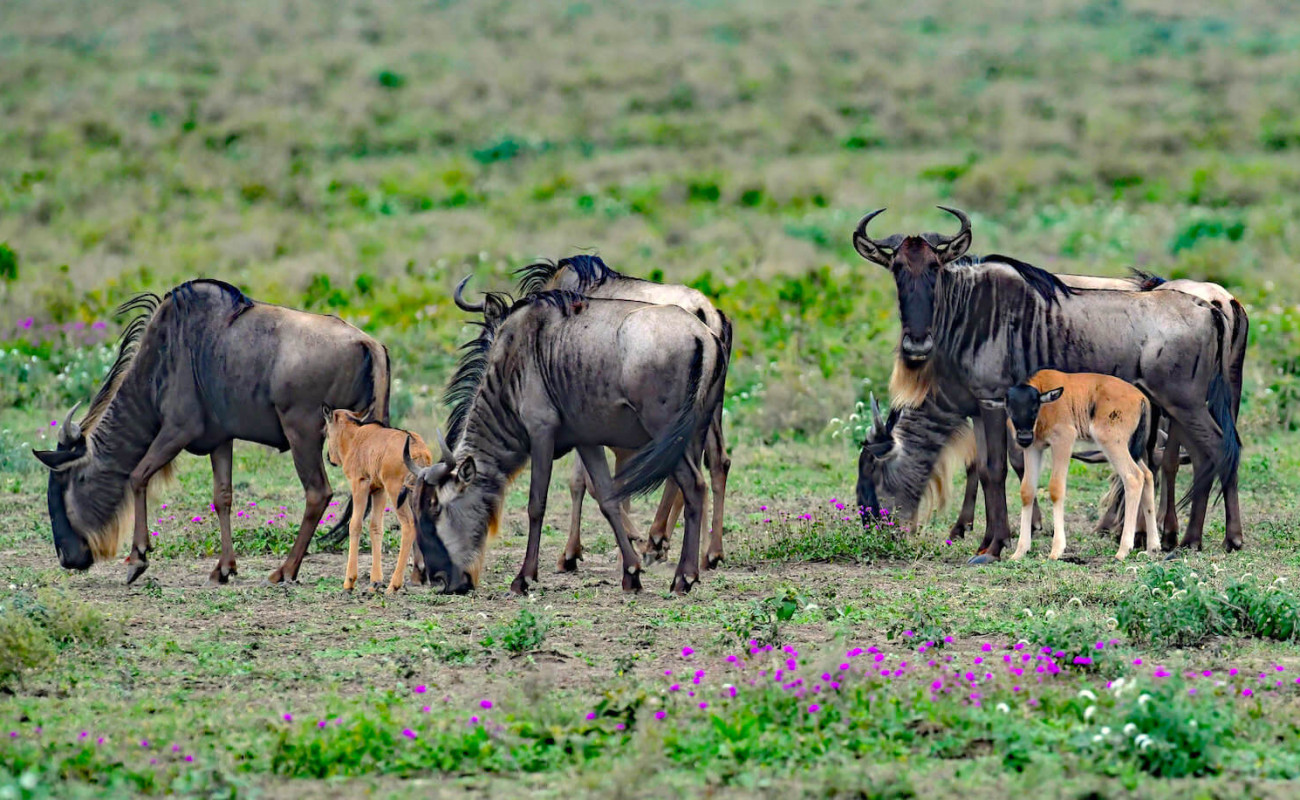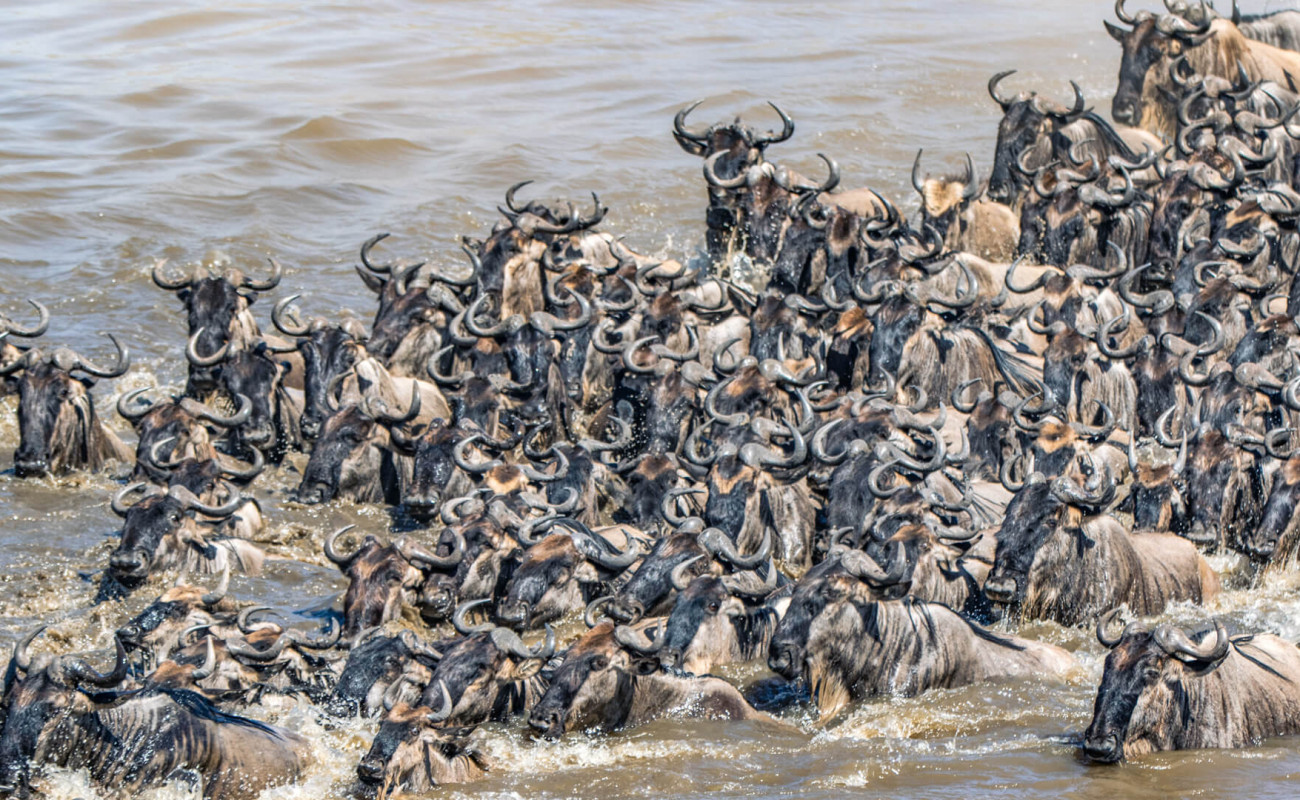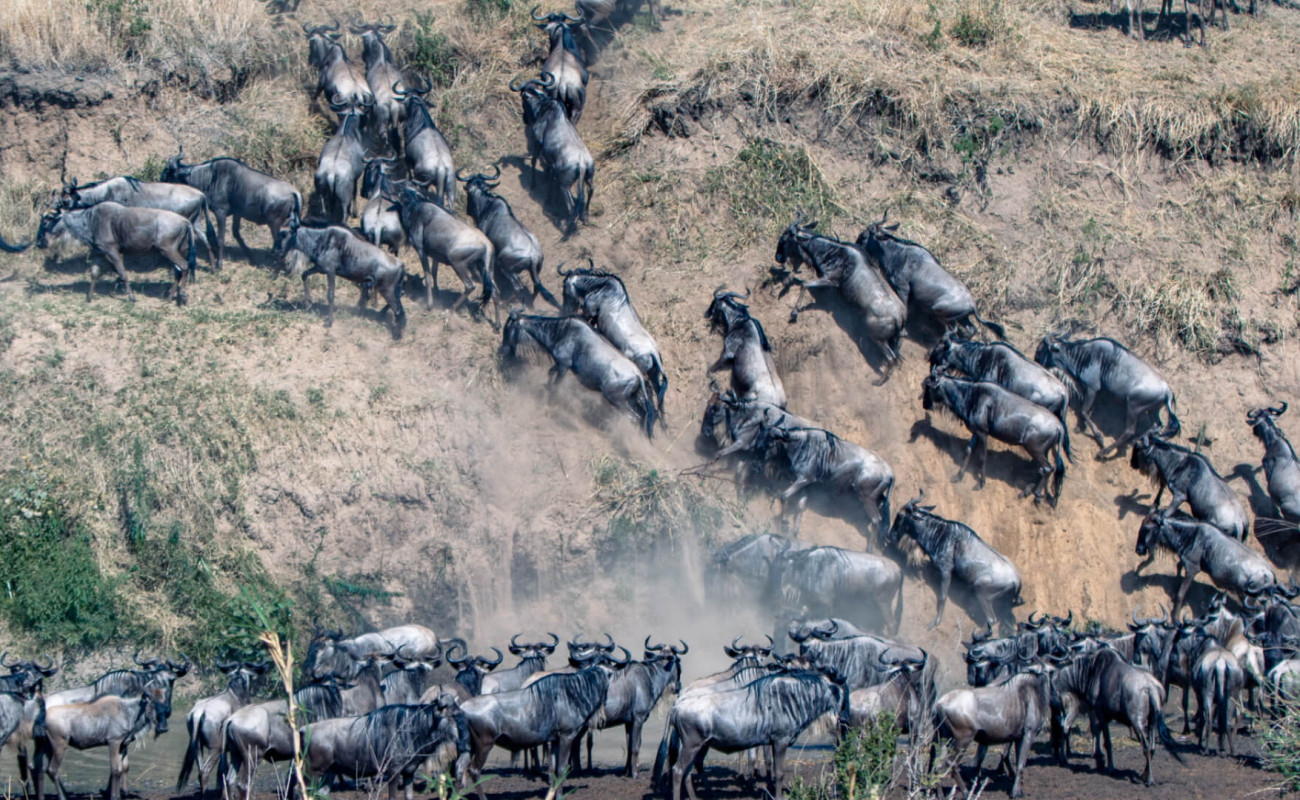


An East African safari is one of the most remarkable travel experiences in the world. From the sweeping plains of the Serengeti National Park to the wildlife-rich landscapes of the Masai Mara National Reserve , every journey promises discovery, beauty, and unforgettable encounters. However, the success of such an experience depends not only on the destinations you visit, but also on how well you prepare before departure.
Health preparation is a fundamental part of modern travel. Understanding vaccination requirements and medical precautions ensures that your safari is not interrupted by preventable risks. At Eagle Soul Adventure, we believe that a well-prepared traveller is a confident traveller, and this guide is designed to give you clarity and direction as you plan your safari in East Africa.

When planning a safari to East Africa, it is important to distinguish between required and recommended vaccinations. Required vaccinations are those enforced by immigration authorities and may determine whether you are permitted to enter a country. Recommended vaccinations, while not legally enforced, are strongly advised by global health authorities to protect travellers from diseases present in the region.
In East Africa, the Yellow Fever vaccination is the most significant requirement. While its enforcement depends on your travel route, it becomes relevant for the majority of travellers due to multi-country itineraries and transit conditions. As a result, it is widely considered essential rather than optional.
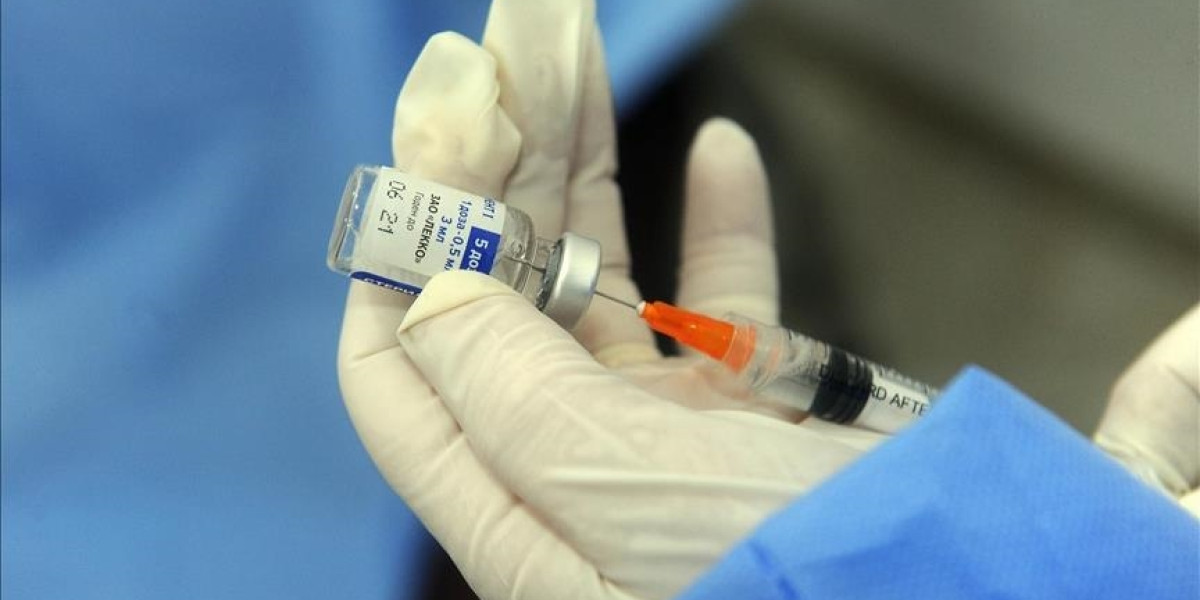
The Yellow Fever vaccine remains the cornerstone of travel health requirements in East Africa. Its importance is tied to the region’s proximity to areas where the disease is present, as well as international health regulations aimed at preventing its spread.
Entry into Uganda requires all travellers to present a valid Yellow Fever vaccination certificate, regardless of origin. In Tanzania, Kenya, and Rwanda, the requirement applies if you are arriving from, or transiting through, a country with a risk of Yellow Fever transmission. This includes many African nations and even extended layovers exceeding twelve hours.
To be valid, the vaccine must be administered at least ten days prior to travel. Once received, it provides lifelong protection, eliminating the need for boosters. Proof of vaccination is documented in the International Certificate of Vaccination (ICVP), commonly referred to as the yellow card, which must be carried in its original form throughout your journey.
Because many safari itineraries involve crossing borders or connecting through regional hubs, obtaining the Yellow Fever vaccination is strongly advised for all travellers as both a medical safeguard and a practical requirement.

Beyond Yellow Fever, several vaccinations are strongly recommended to protect against potential health risks encountered during travel. These vaccinations form a comprehensive layer of protection, ensuring that your safari experience is not affected by preventable illnesses.

Malaria remains one of the most important health considerations for travellers visiting East Africa. The disease is present in most safari regions, including Serengeti National Park, Tarangire National Park, and Lake Manyara National Park, and requires careful prevention.
Protection against malaria involves a combination of prescription medication and practical measures. Common antimalarial medications include:
Physical precautions are essential:
Even higher altitude areas, such as the Ngorongoro highlands, present lower malaria risk, but itineraries usually include multiple regions, making continuous protection essential.
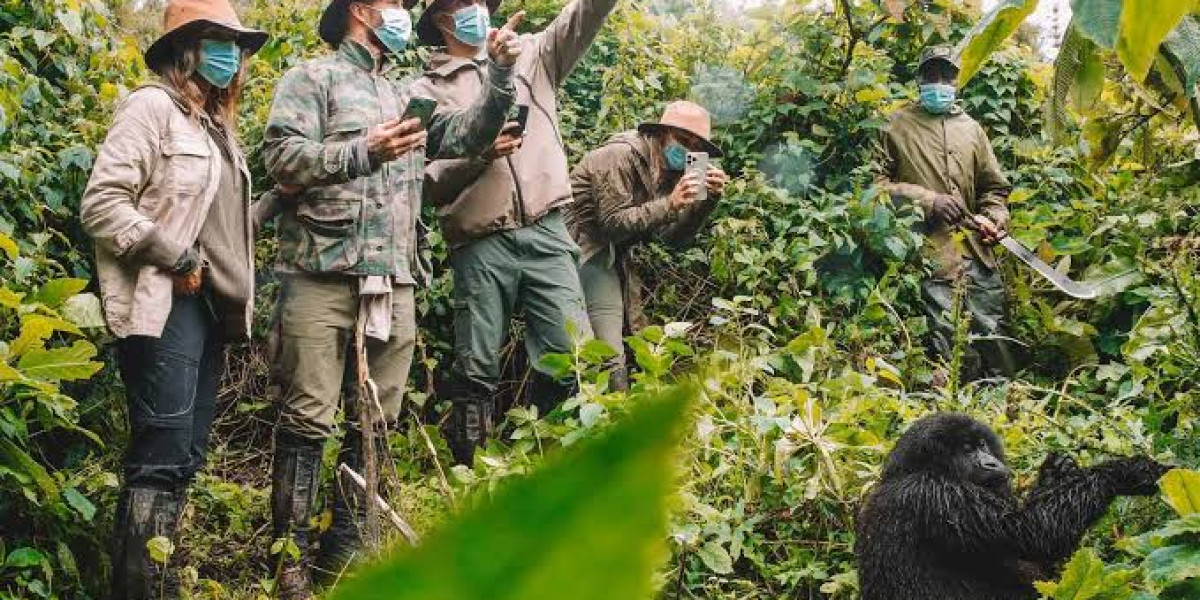
For travellers planning gorilla trekking in Bwindi Impenetrable National Park (Uganda) or Volcanoes National Park (Rwanda), health considerations extend beyond personal safety to wildlife conservation.

The ideal window for travel vaccinations is six to eight weeks before departure. This ensures:
For Yellow Fever, a minimum of ten days is required for the vaccine to become valid. Early consultation with a travel health clinic ensures that all necessary vaccinations are administered in time.

Children require the same core vaccinations as adults, with extra attention due to higher vulnerability:
Consult a paediatric travel specialist for personalised guidance.
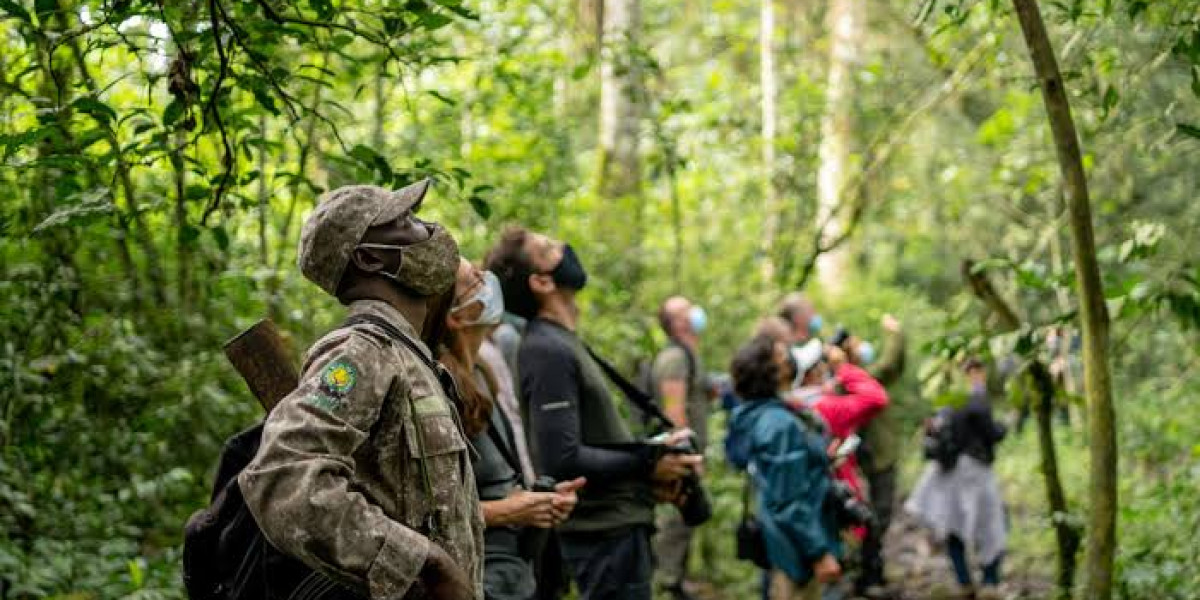
Each East African country presents a slightly different regulatory and health environment. Kenya and Tanzania require Yellow Fever vaccination under specific conditions, while maintaining a high malaria presence in most safari areas. Rwanda follows similar guidelines with additional health monitoring on arrival. Uganda enforces the strictest rule, requiring Yellow Fever vaccination for all incoming travellers.
Understanding these variations is particularly important for multi-country itineraries, where crossing borders may introduce new requirements.


A safari in East Africa is more than a journey,it is an immersion into some of the most extraordinary landscapes and wildlife experiences on Earth. With the right health preparation, this journey becomes not only unforgettable but also entirely worry-free.
At Eagle Soul Adventure, we believe that exceptional travel is built on both inspiration and responsibility. By taking the necessary precautions, you position yourself to fully embrace the beauty, freedom, and adventure that define the African safari.
Preparation allows you to travel with confidence. And with confidence, every moment becomes truly extraordinary.