
When travelers ask, “What’s the best time to go on safari in Tanzania?”, they expect a straightforward answer. But at Eagle Soul Adventure, we believe that the wilderness doesn’t follow tourist seasons , it follows its own rhythm.
In truth, Tanzania has no “off-season”. Every month tells a different story in color, movement, and emotion. Instead of thinking in terms of “high” and “low” season, we invite you to connect with the land through its two natural expressions: the Green Season and the Gold Season.
These are not just climate patterns they are deeply emotional, visual, and spiritual experiences.
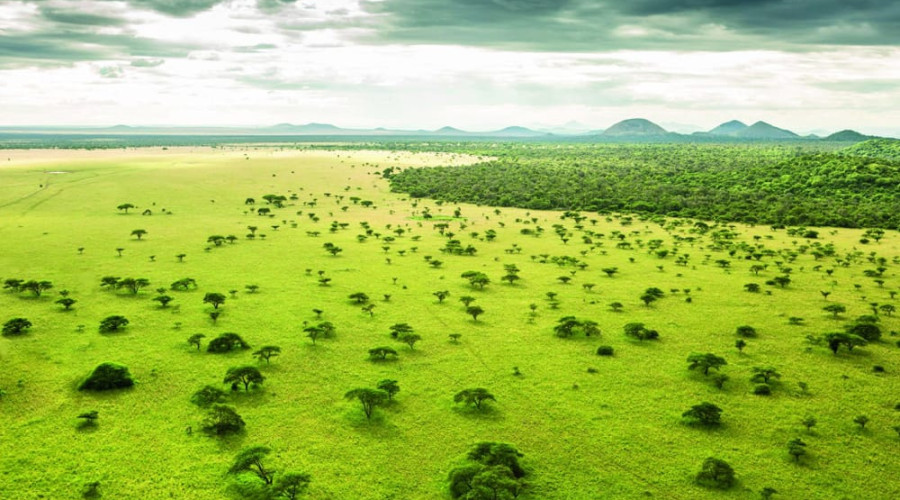
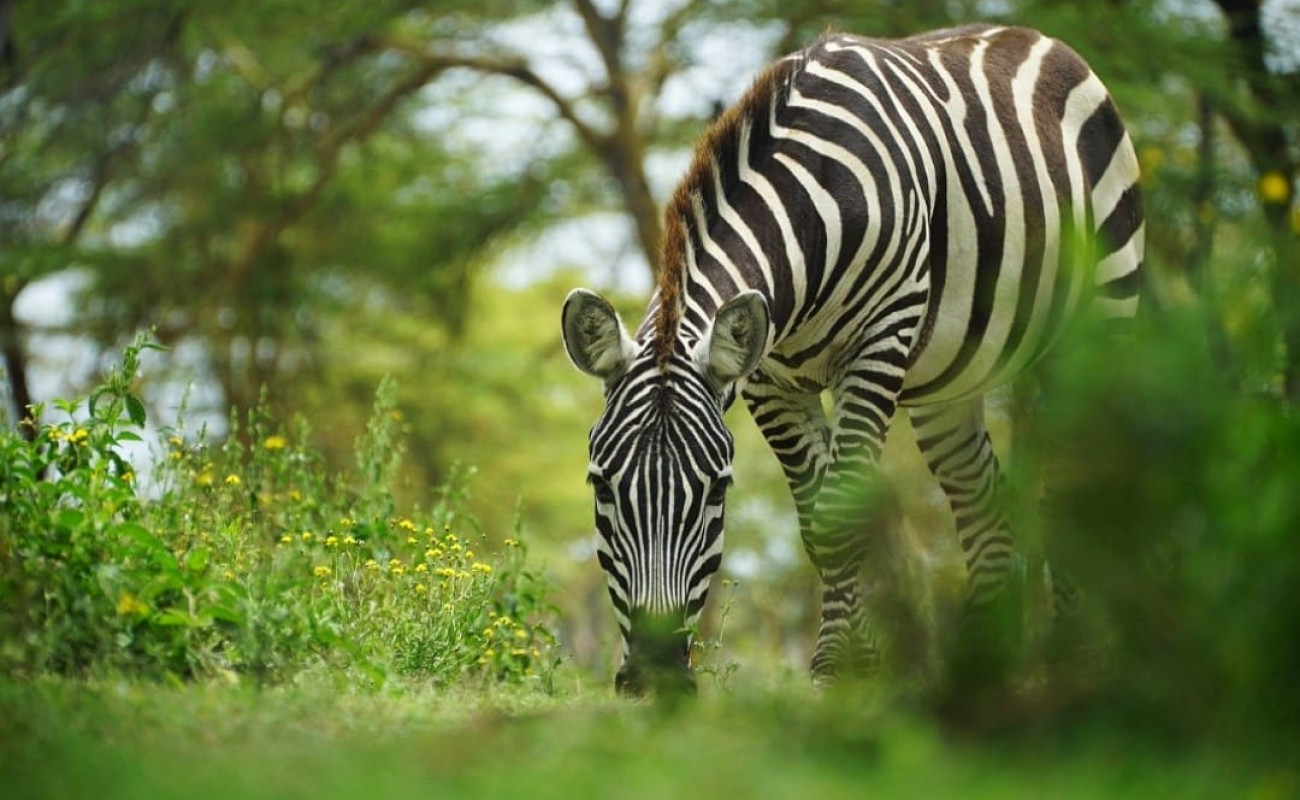
This is the season of rebirth and richness. After the long, dry months, the rains return not with endless storms, but with refreshing pulses that awaken the land. The grasslands turn emerald. The trees breathe again. The scent of wild basil and damp earth rises into the sky.
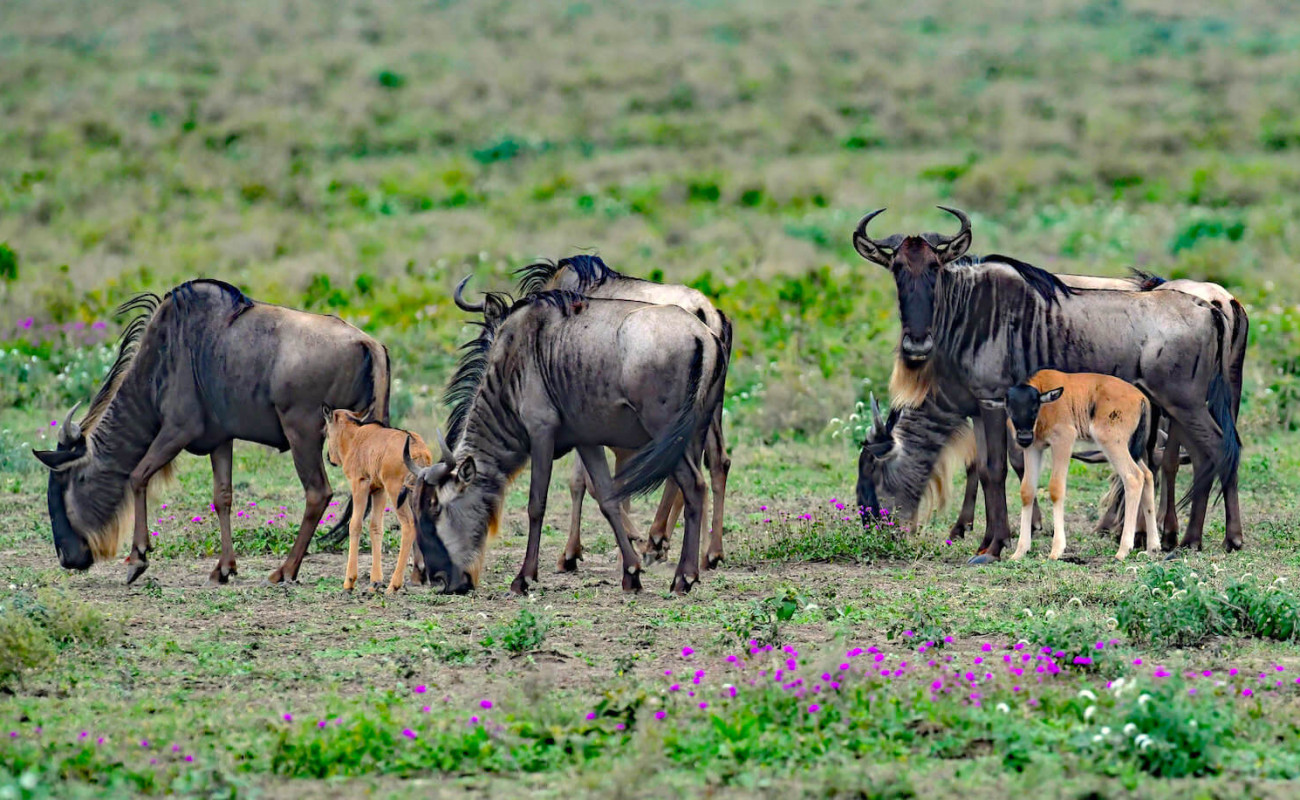
For photographers, this is paradise: storm-dappled skies, golden sunlight filtering through acacia trees, and newborn animals learning to walk under the watchful eyes of their mothers.
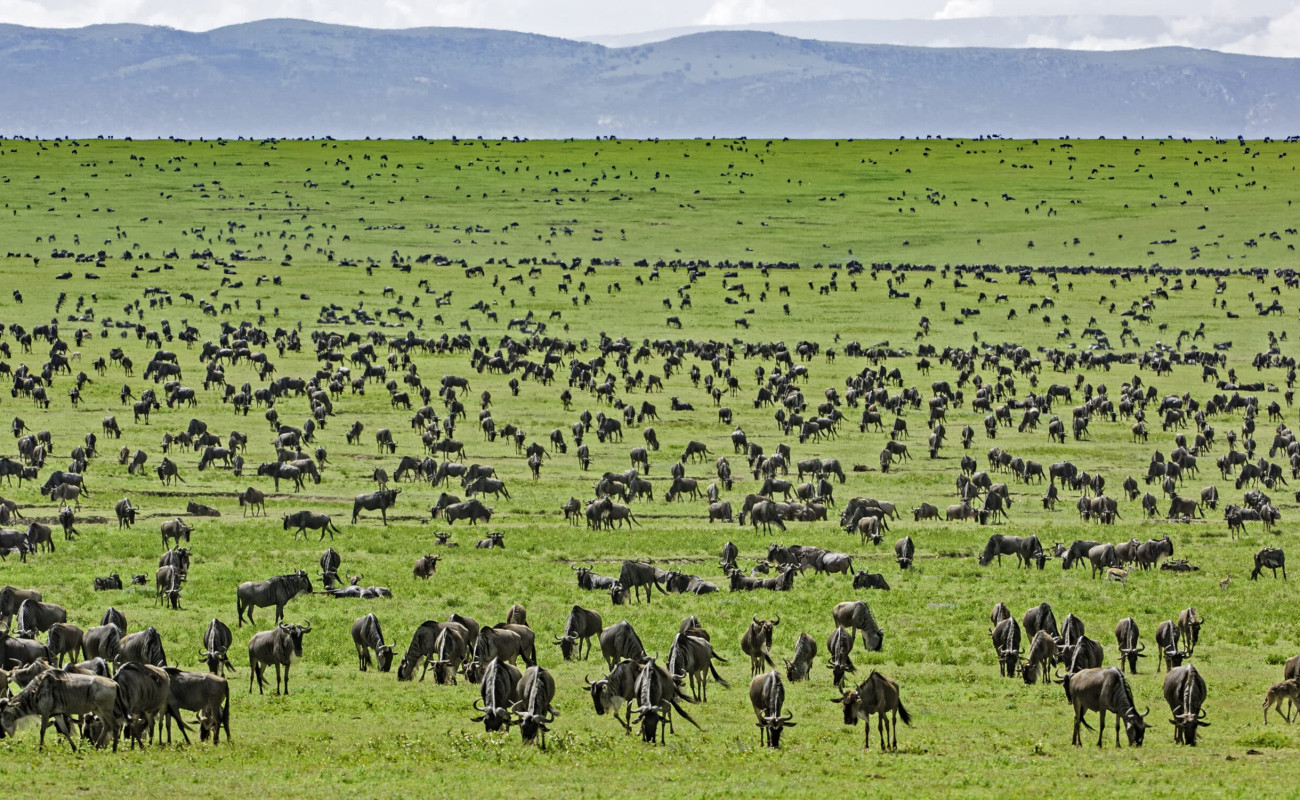
Thousands of wildebeest calves born in the Southern Serengeti (January–March) an awe-inspiring event that attracts predators like lions, hyenas, and cheetahs in thrilling numbers.
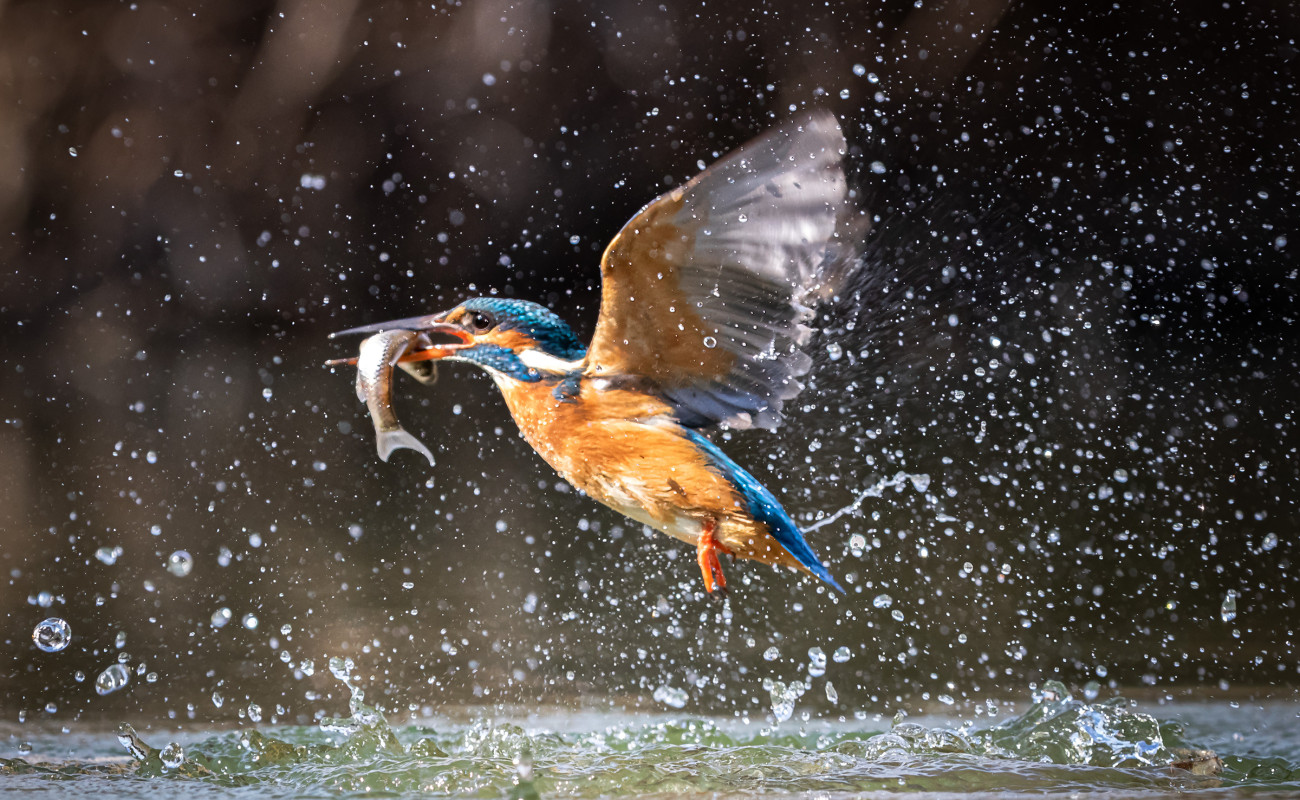
Migratory birds in vibrant plumage arriving from Europe and Asia — flamingos, kingfishers, and bee-eaters transforming the skies.
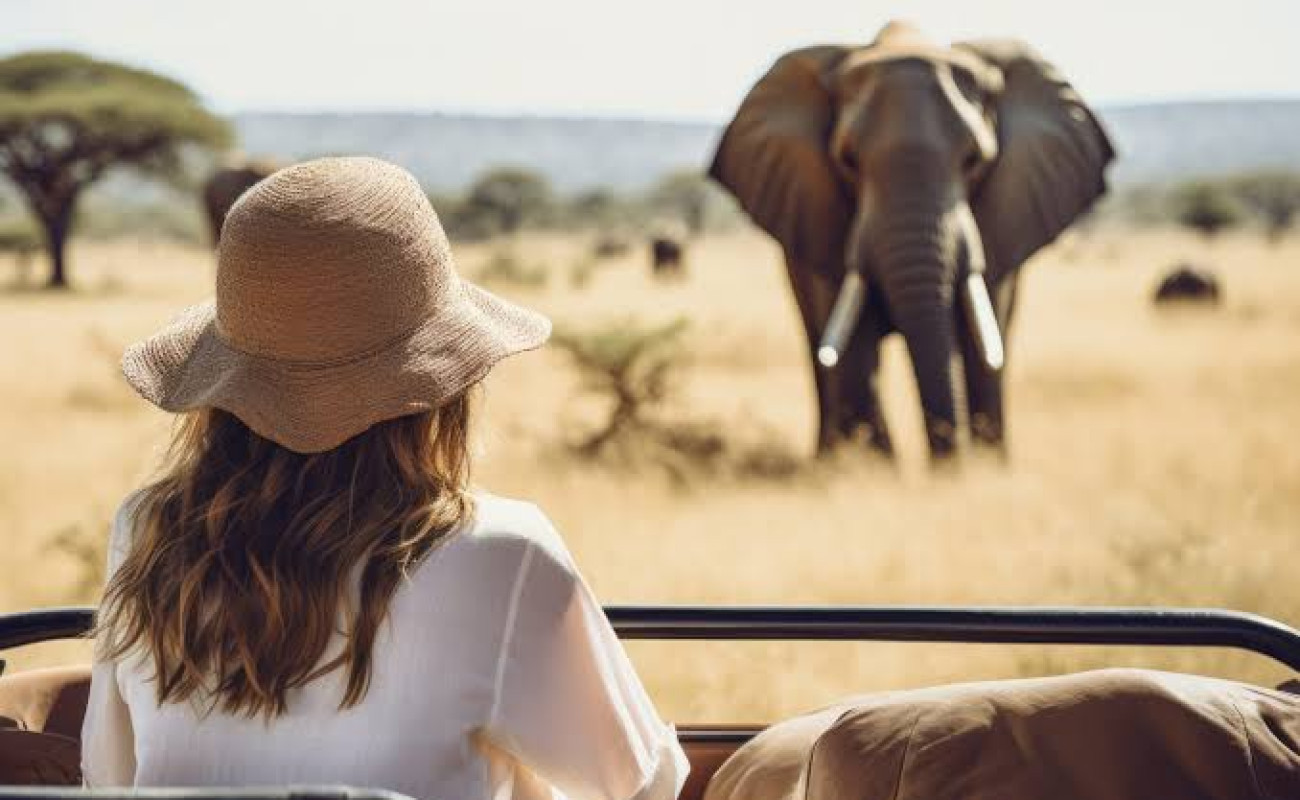
Elephants and giraffes moving gently through baobab forests in Tarangire and Ruaha.
Ngorongoro Crater covered in green, with mist rising from the rim at dawn.
Despite popular misconceptions, it doesn’t rain all day. The mornings are often clear, and showers come in brief, dramatic bursts — followed by dazzling sunsets.
Fewer tourists, offering a more personal, quiet connection to nature.
Lower lodge and flight rates, especially between March and May.
A softer, more emotional safari not driven by chase, but by connection.
This is a season for those who want to slow down, listen to the birds, follow footprints, and truly feel the pulse of wild Tanzania.
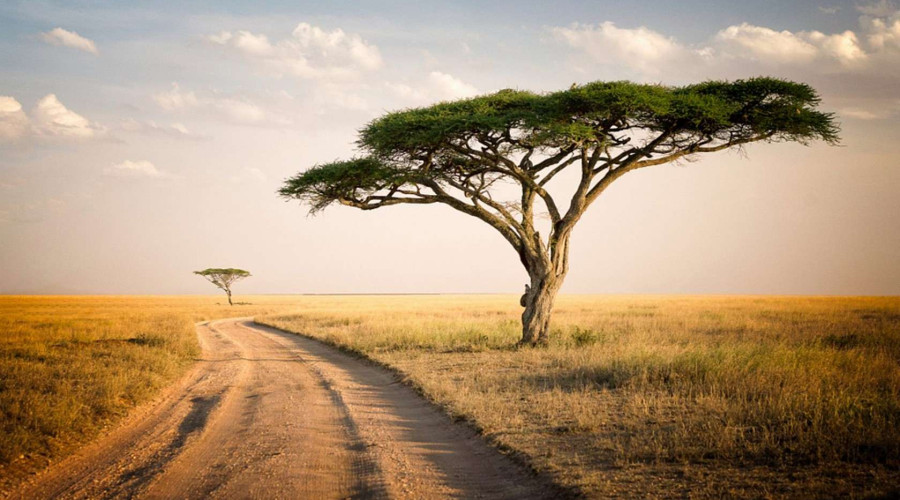
When the rains retreat, Tanzania undergoes a radical transformation. The grass withers, waterholes shrink, and survival becomes the dominant storyline. Yet with this scarcity comes a kind of clarity and intensity that defines the Gold Season.
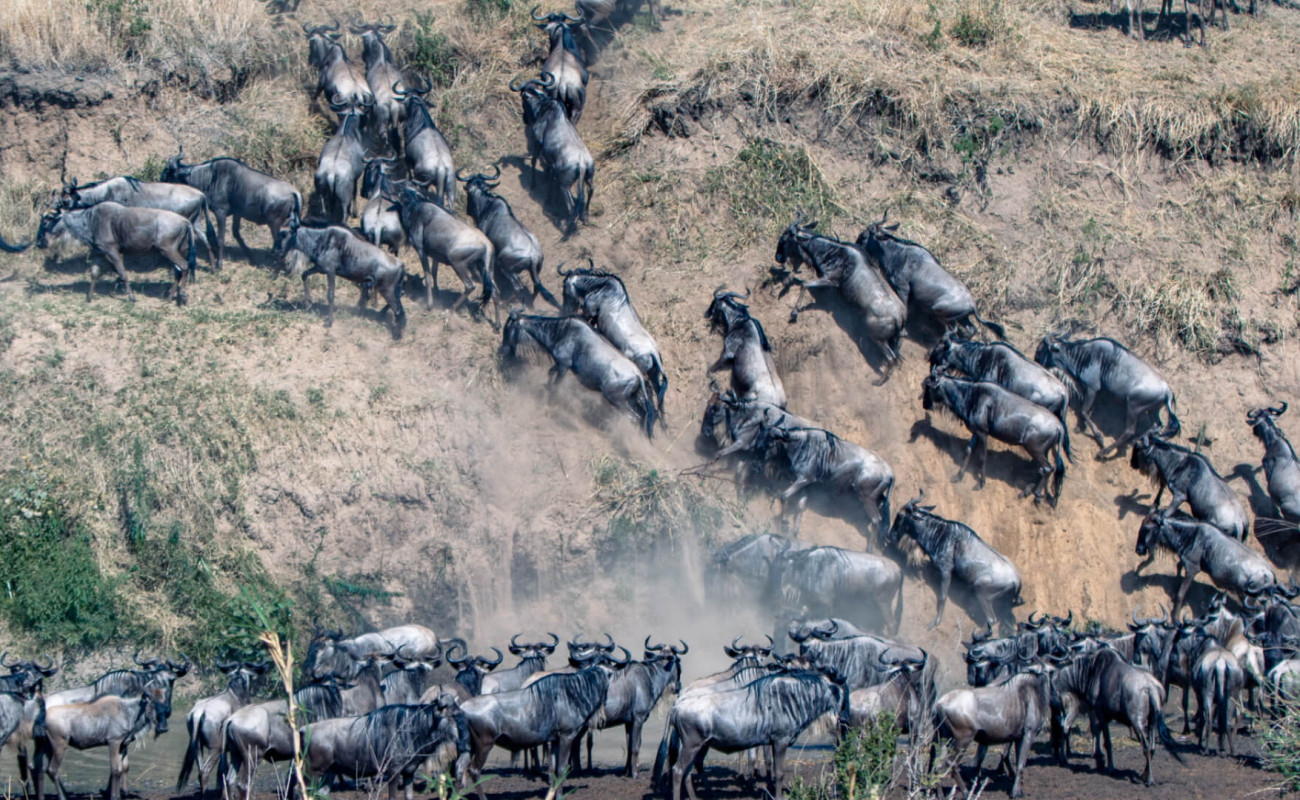
The land turns golden not just in color, but in atmosphere. Dust swirls behind thundering hooves. Lions rest on sunbaked kopjes. Rivers become the stage for epic predator-prey encounters.
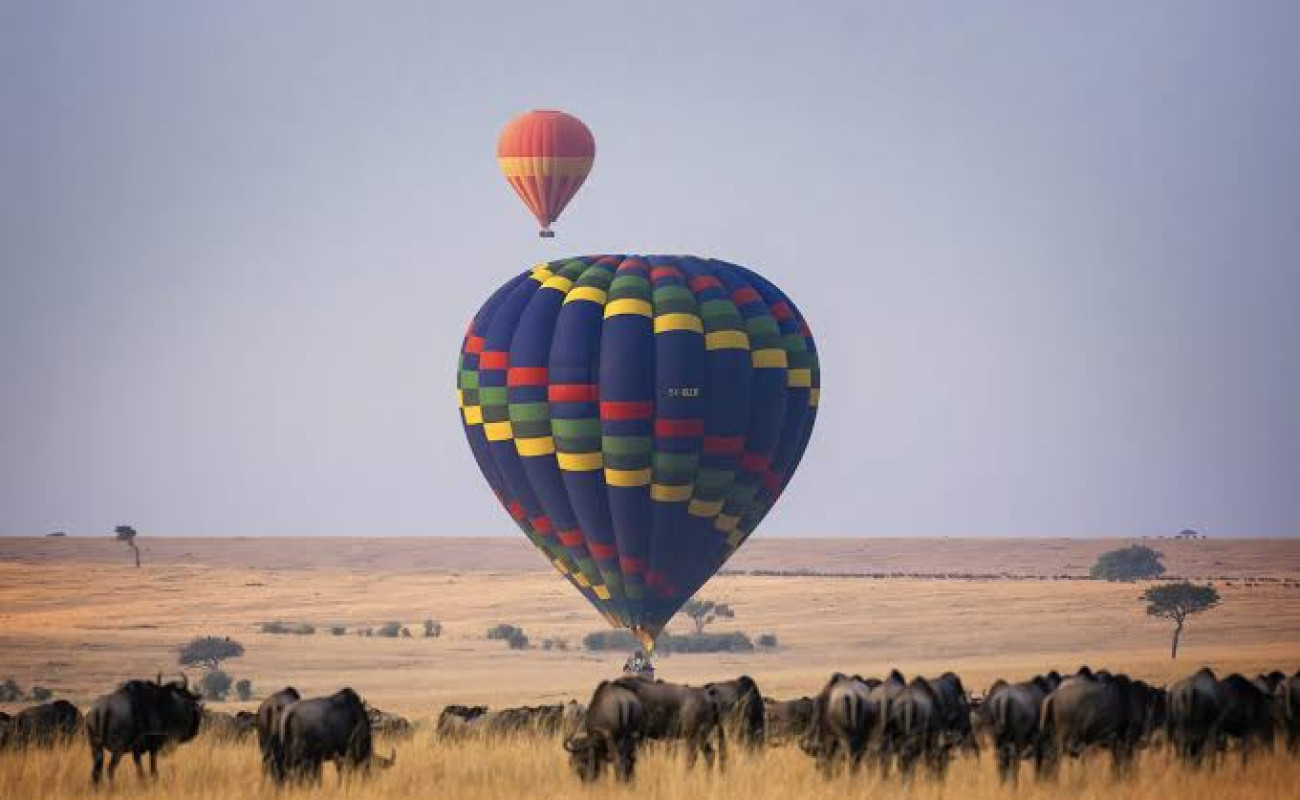
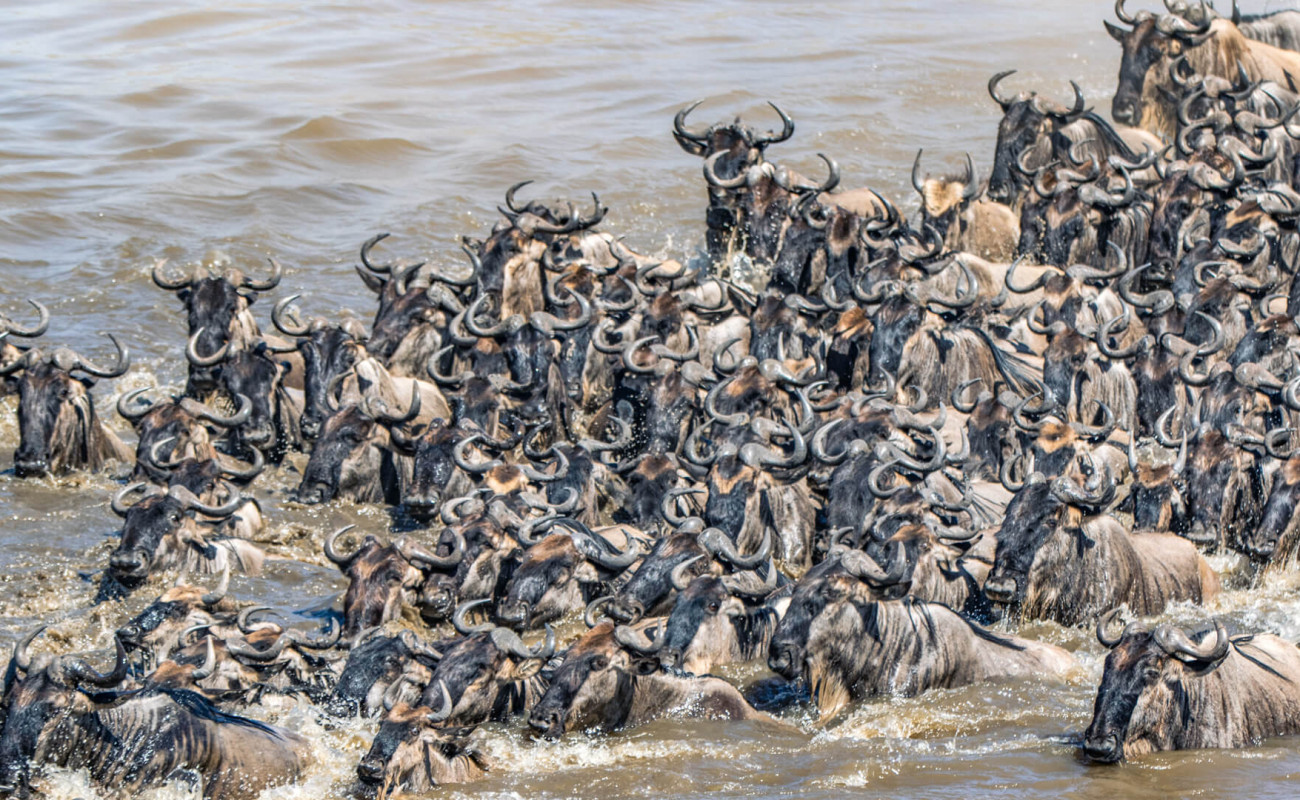
The Great Migration crossings in Northern Serengeti (July–October), as herds of wildebeest brave crocodile-infested Mara River waters, one of the most dramatic events in the animal kingdom.
Elephant congregations in Tarangire, where over 3,000 elephants gather around the Tarangire River, their trunks digging for water in the dry riverbeds.
Clear, dry trails ideal for walking safaris and extended game drives with perfect visibility.
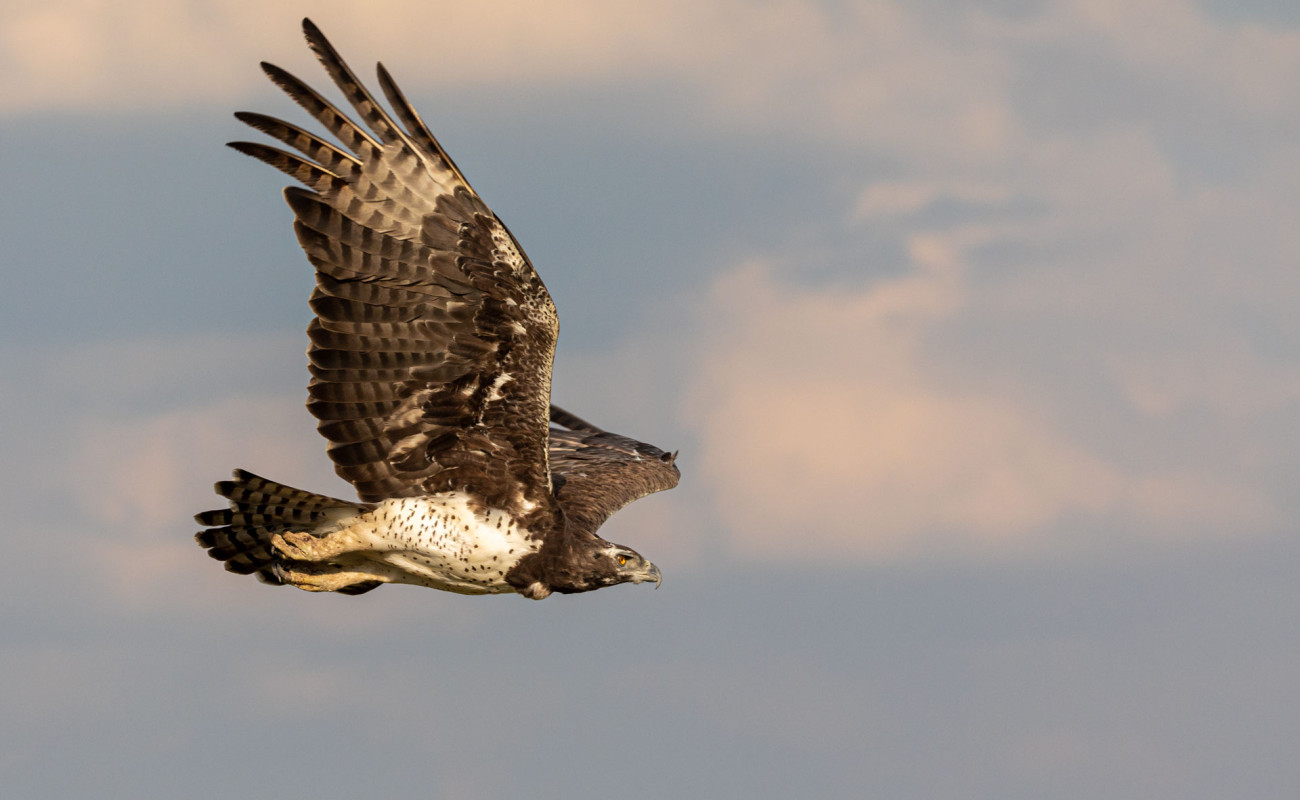
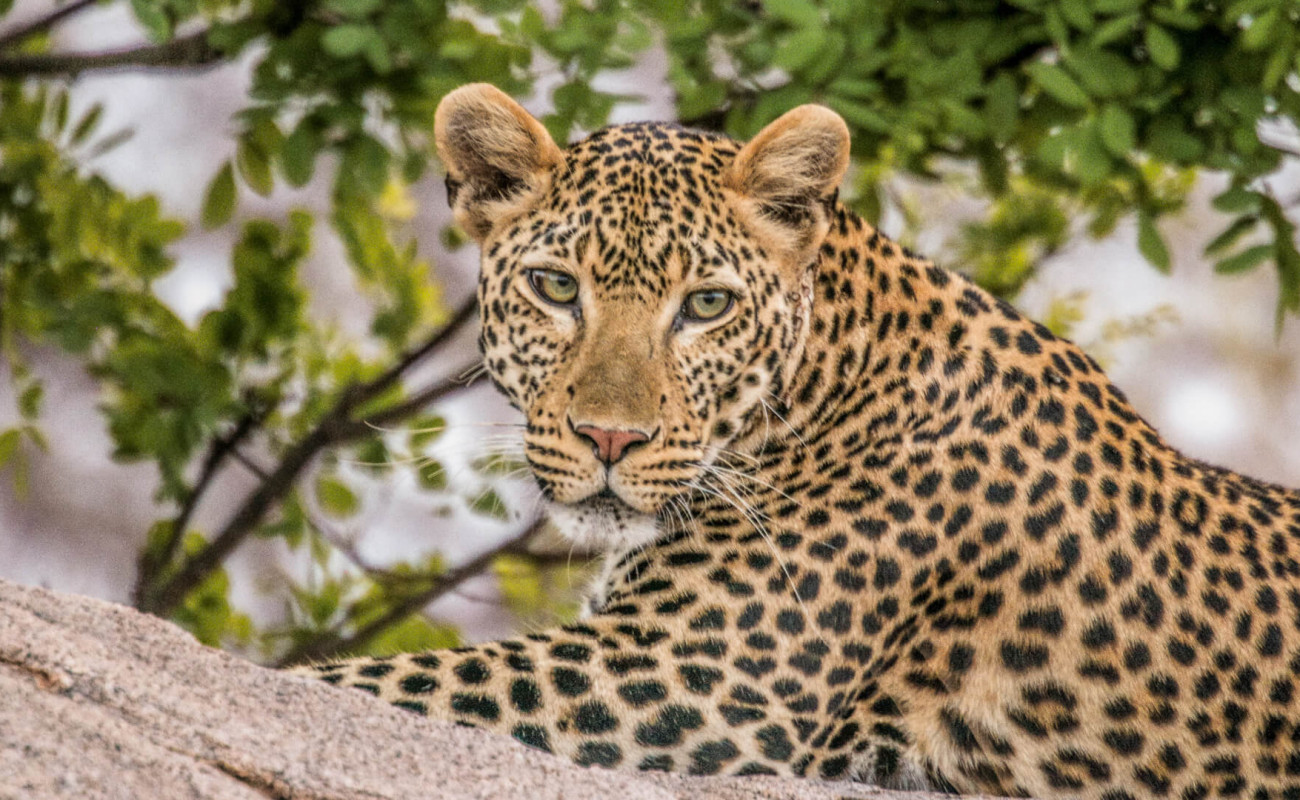
Incredible predator sightings, especially in Serengeti, Ruaha, and Katavi, where lions, cheetahs, and leopards are easier to spot in the thinning bush.
It’s ideal for first-time safari-goers who want to witness classic wildlife action.
The weather is dry and predictable, making it easier to plan multi-park adventures.
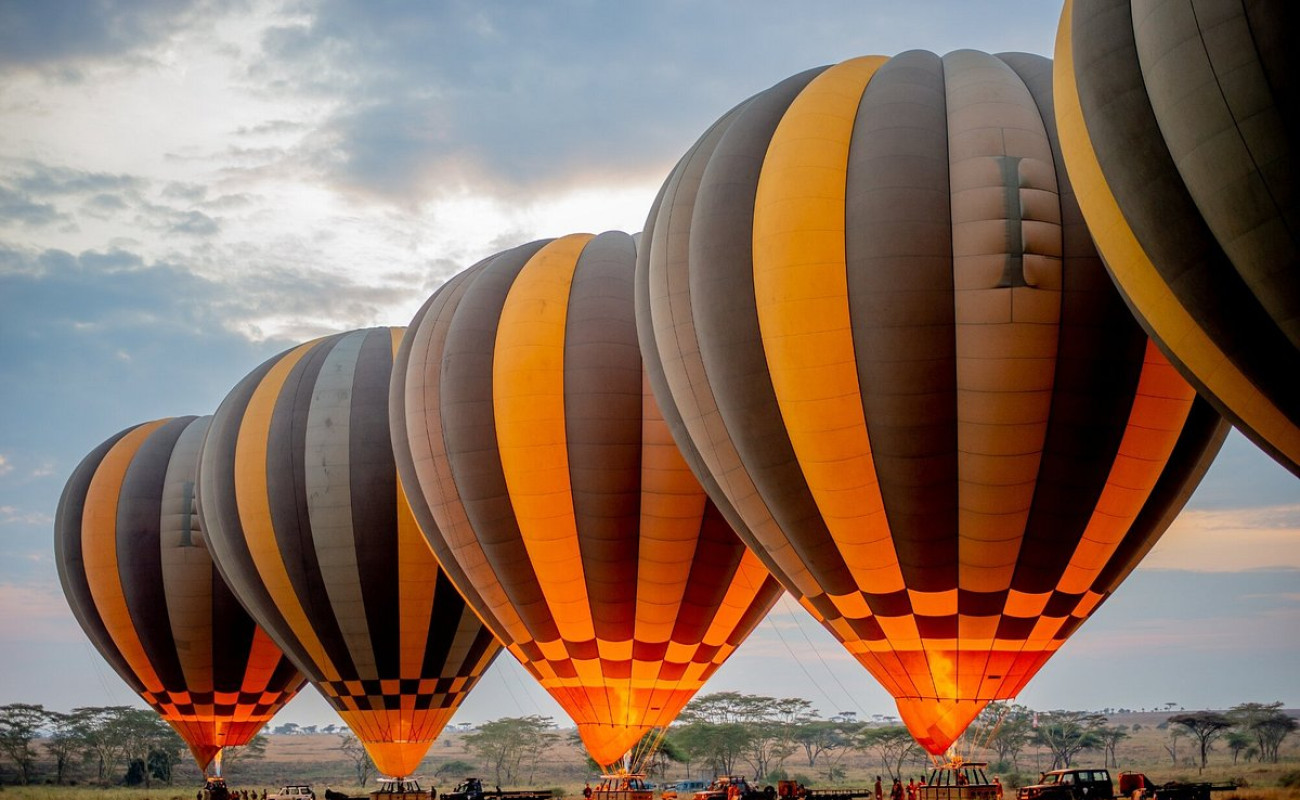
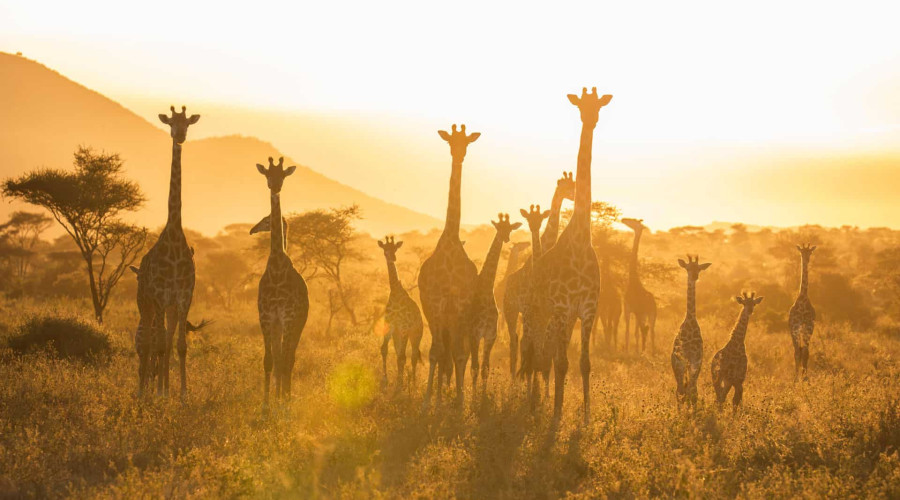
The golden hues of the savannah create iconic photographic opportunities, especially during sunrise and sunset.
This is the high-energy season bold, breathtaking, and deeply cinematic. Every day is an unfolding story of movement, survival, and wild choreography.
Choosing between the Green and Gold Seasons isn’t just about weather or visibility. It’s about asking yourself:
What do I want to feel?
If you’re drawn to quiet beauty, new life, and solitude, the Green Season will touch your soul.
If you crave wildlife intensity, big drama, and raw encounters, the Gold Season is your call.
Both seasons offer unforgettable safaris but in very different moods. That’s why at Eagle Soul Adventure, we don’t just offer trips by dates. We offer them by intention.
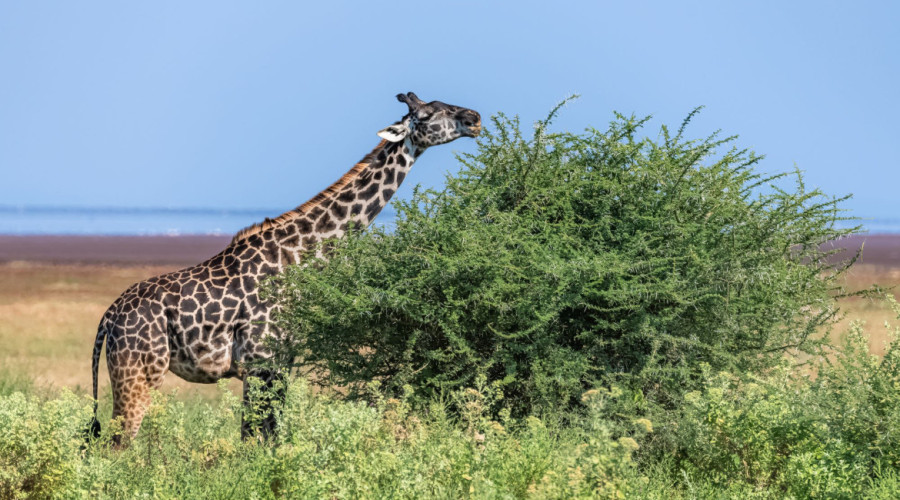
We’ve walked the green trails of Serengeti after a morning rain. We’ve stood beside elephants as they drink from shrinking pools in the late dry season. And what we’ve learned is this:
Nature doesn’t do “off-seasons.”
And when you walk in rhythm no matter the month your safari becomes something more than a journey. It becomes a homecoming.
Ready to plan your soulful journey?
Contact Eagle Soul Adventure today and let us guide you through the season that calls to you , whether it’s the soft green heartbeat of renewal or the golden crescendo of the wild.