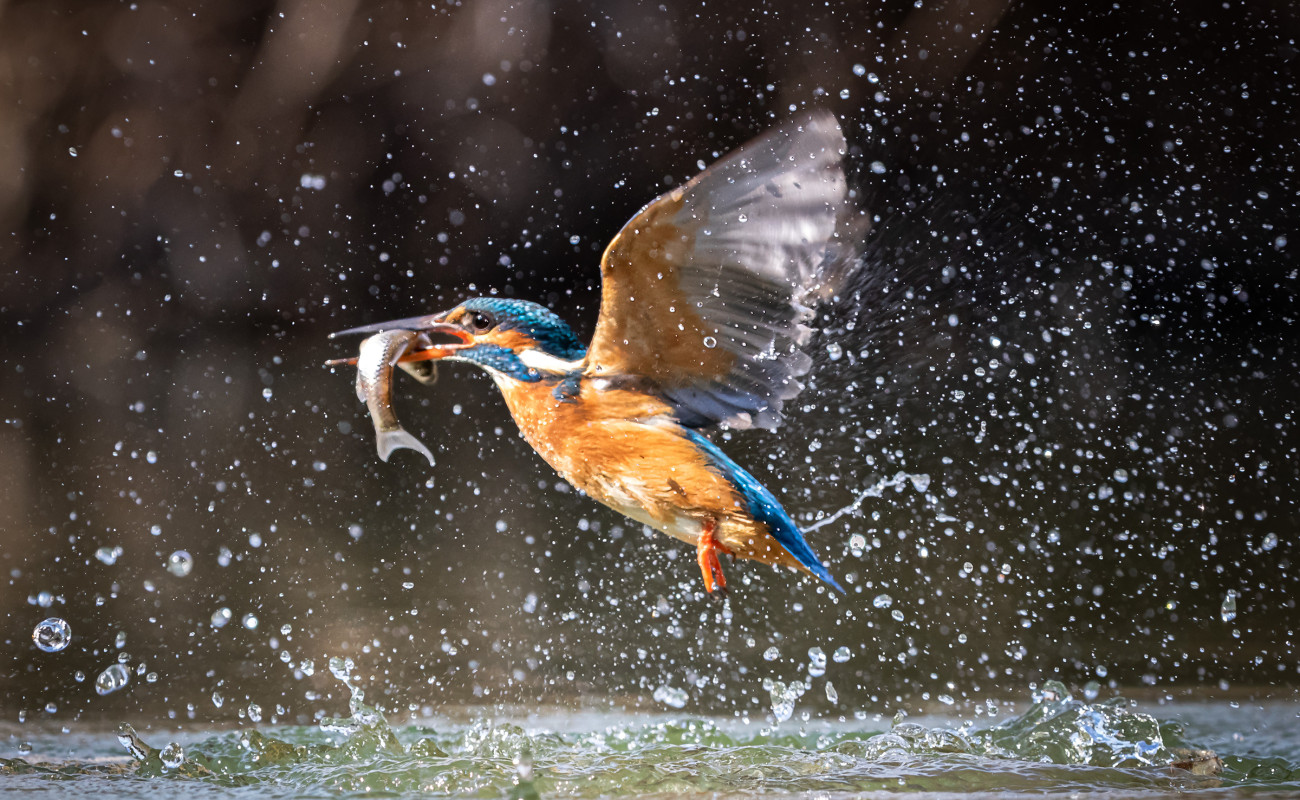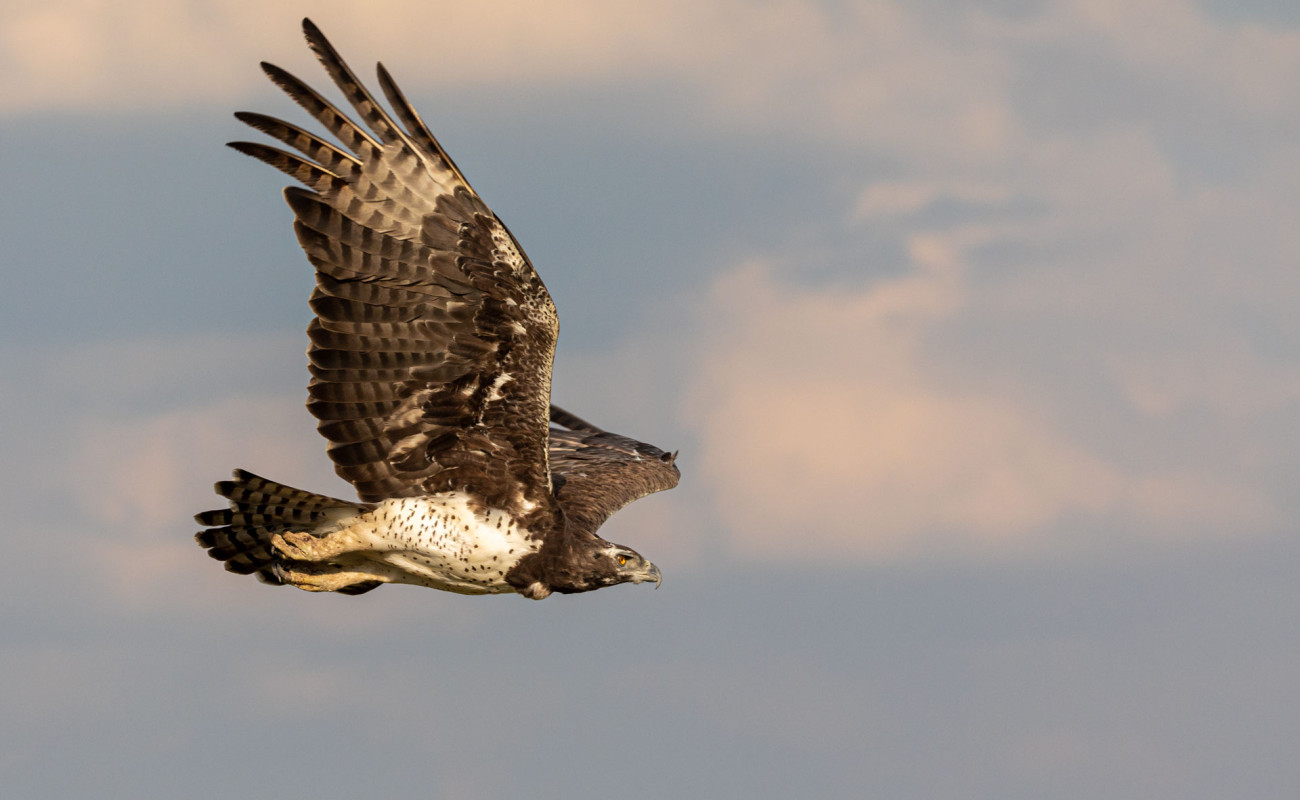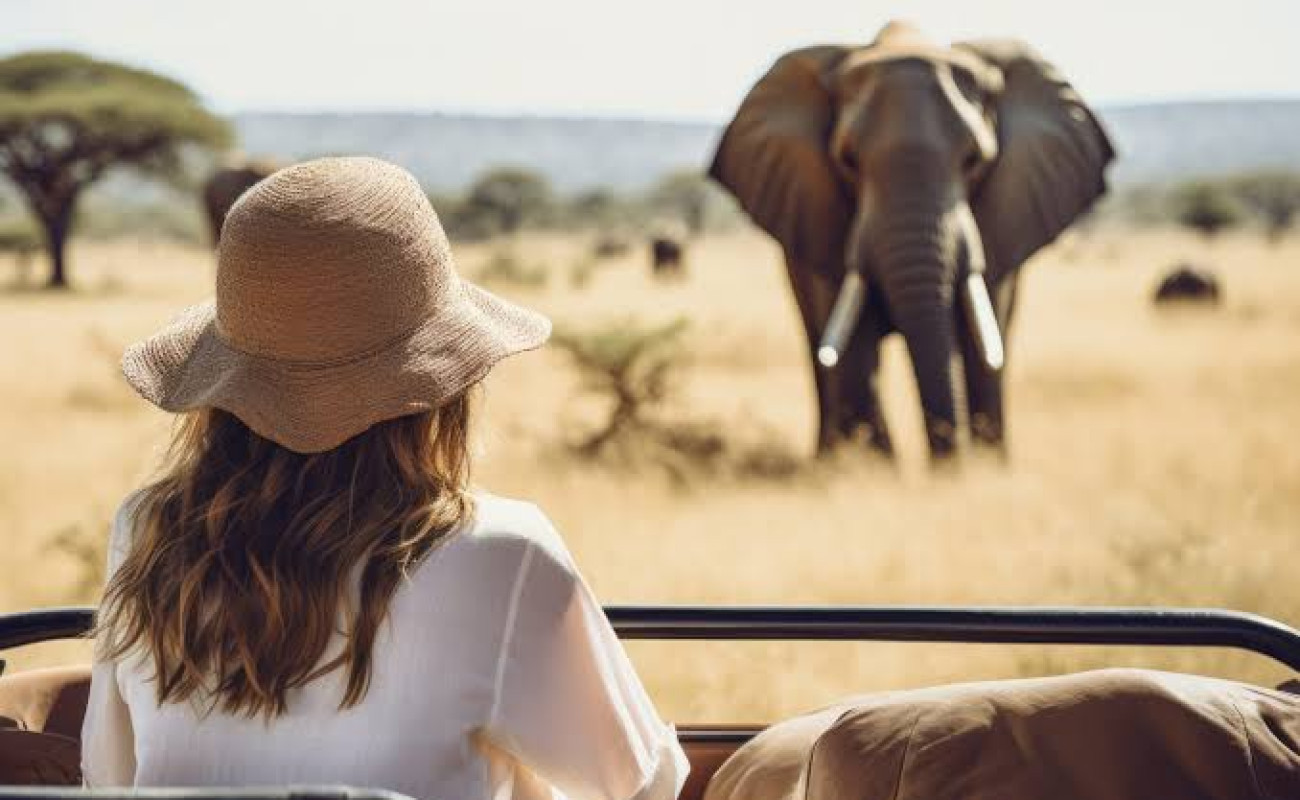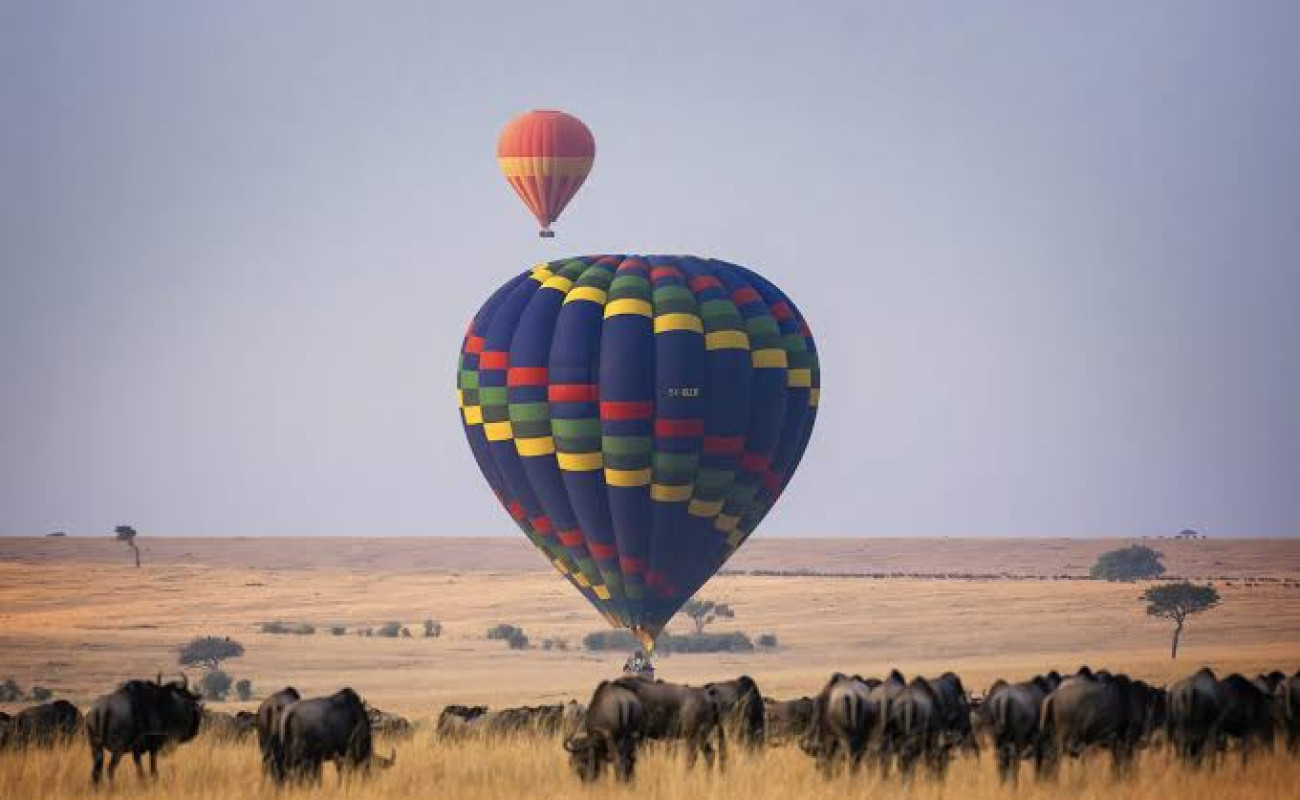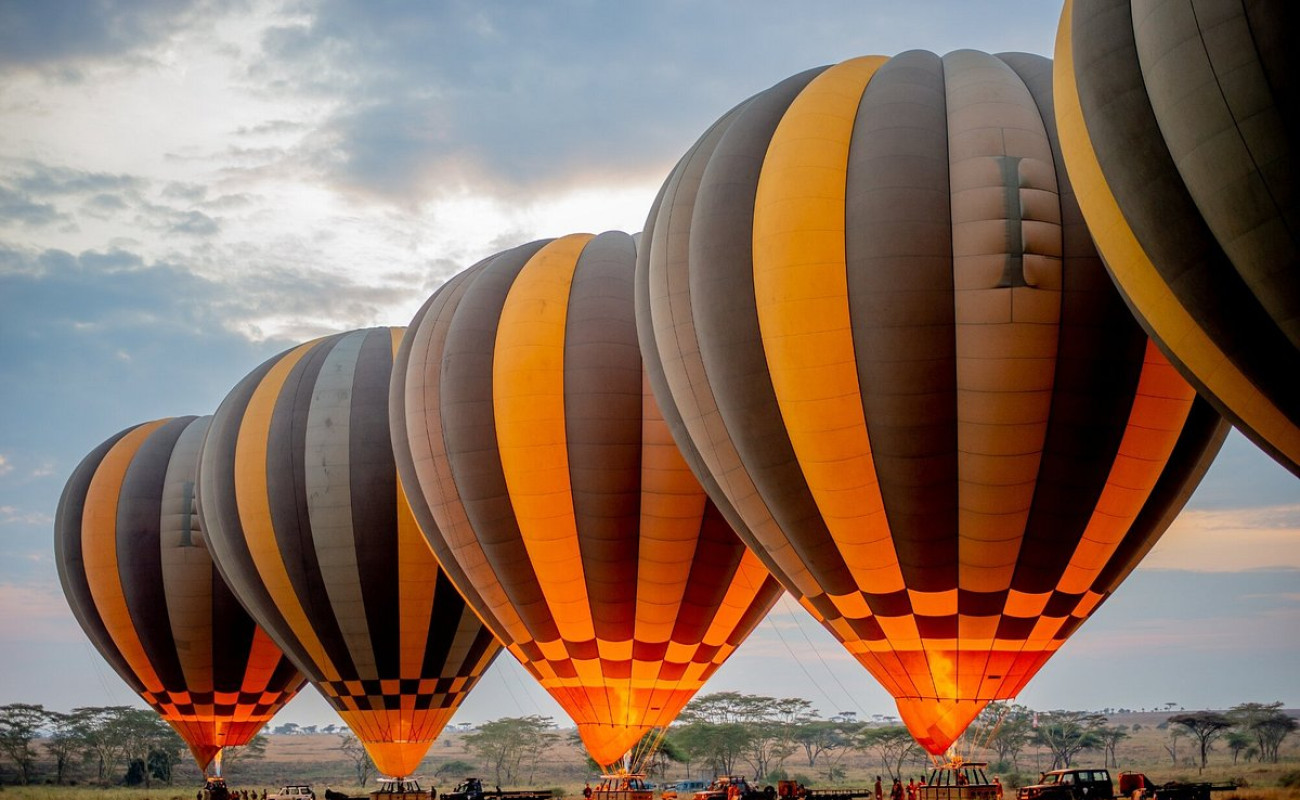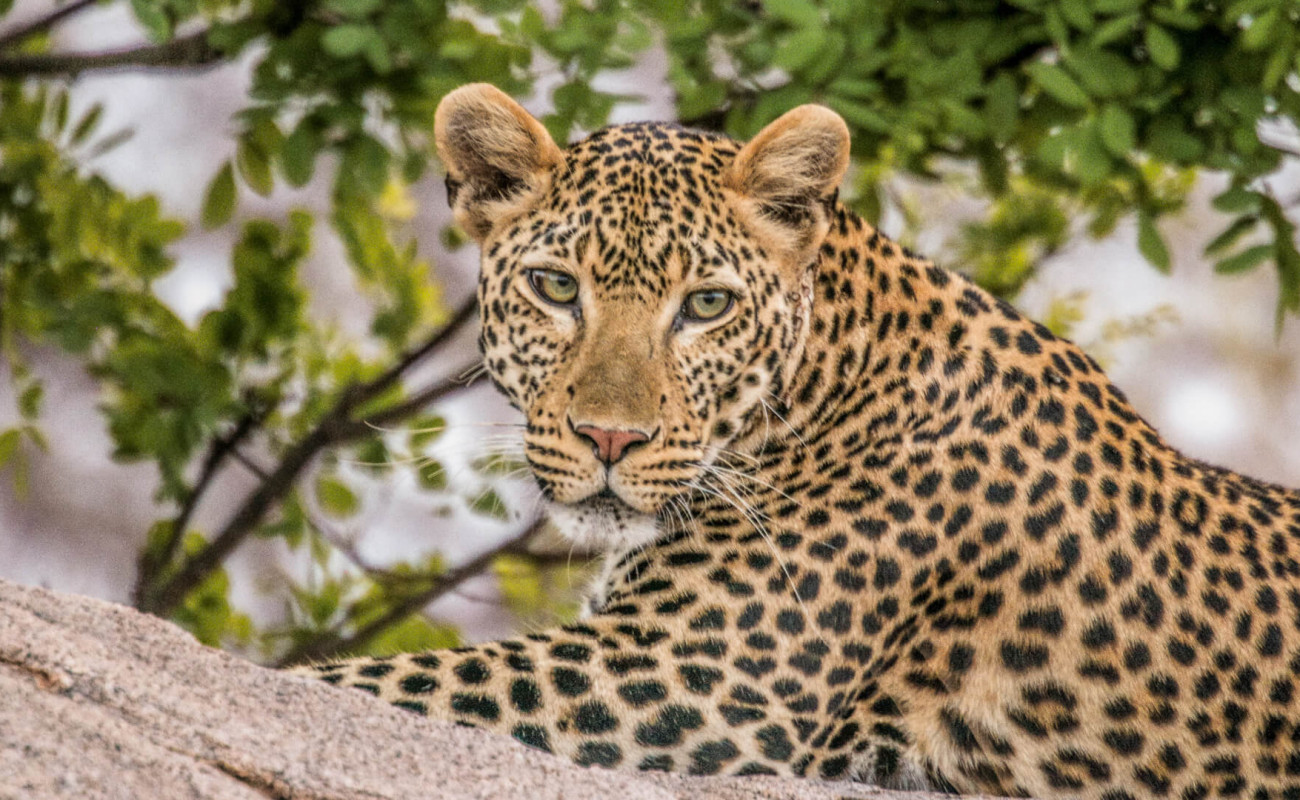

Some moments on safari feel almost unreal , a lioness moving silently through the golden grass at sunrise, elephants emerging from the dust at dusk, or the vast African sky glowing with stars long after the engine has gone quiet. These moments pass quickly, but the feeling stays with you forever.
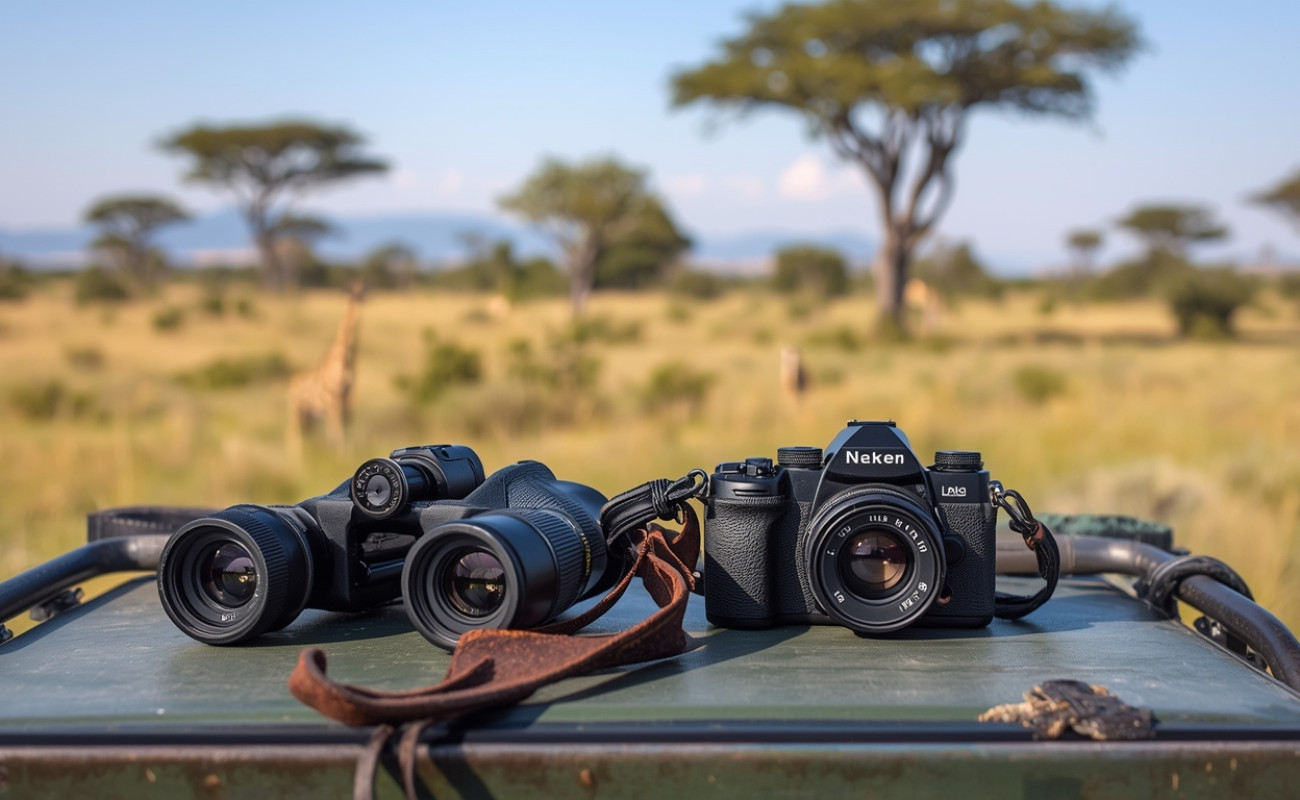
At Eagle Soul Adventure , we believe photography is not just about taking pictures. It is about presence . About slowing down, observing details, and connecting deeply with the land, wildlife, and people of East Africa. Whether you travel with a smartphone, a compact camera, or a professional setup, the right camera equipment allows you to capture memories while remaining fully immersed in the safari experience.
This guide is designed to help you choose safari camera equipment that feels natural, reliable, and inspiring so you can focus on the magic unfolding in front of you.

Safari moments are fleeting. Wildlife moves without warning, light changes by the minute, and many of the most powerful scenes happen at dawn or twilight.
The right camera equipment allows you to:
Capture wildlife without disturbing their natural behavior
Preserve the soft colors of early mornings and golden sunsets
Photograph confidently from a moving safari vehicle
Stay focused on the experience rather than technical struggles
Most importantly, good equipment should feel comfortable in your hands becoming an extension of your eyes, not a distraction from the moment.
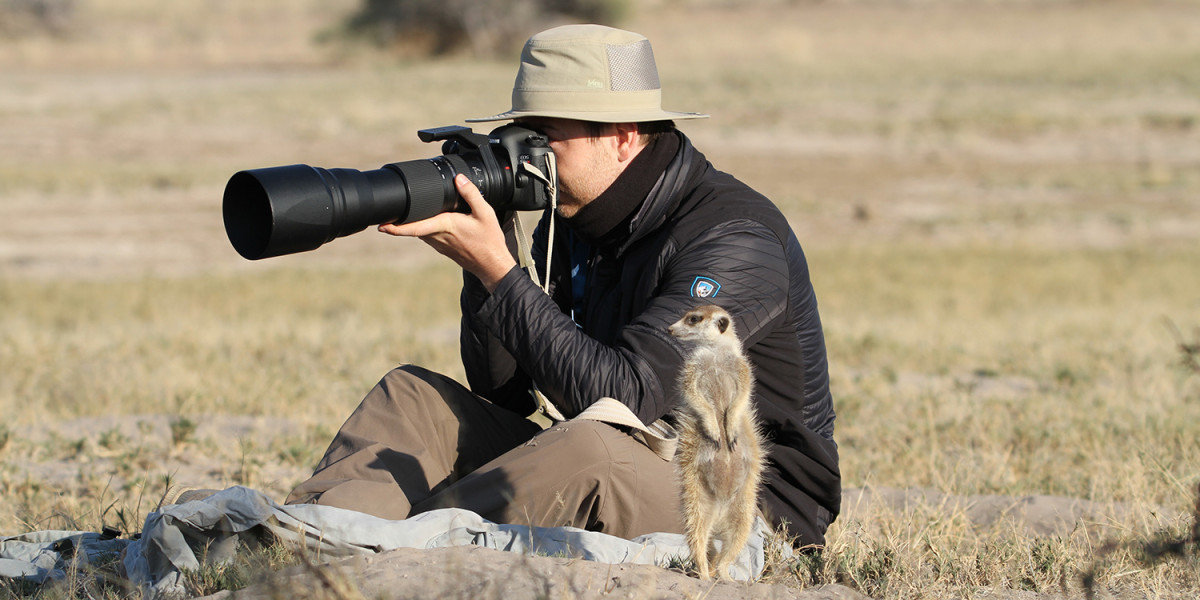
There is no single “perfect” safari camera. The best choice is one that fits your rhythm, experience level, and how you want to engage with the wilderness.
For experienced photographers, DSLRs remain a trusted companion on safari. Their durability, long battery life, and vast lens selection make them well-suited for extended game drives and remote destinations.
Why choose a DSLR?
Strong performance in tough environments
Excellent battery life for long safari days
Wide range of professional lenses
They are, however, heavier and require familiarity to handle efficiently in the field.
Mirrorless Cameras
Mirrorless systems have become a favorite for many safari travelers. They are lighter, faster, and exceptionally capable in low light , making them ideal for wildlife photography.
Why mirrorless works beautifully on safari:
Fast autofocus for moving animals
Silent shooting for intimate encounters
Compact design for easier travel
In-body image stabilization (IBIS) for sharp images from vehicles
Mirrorless cameras strike a perfect balance between performance and portability — allowing spontaneity without sacrificing quality.
High-End Compact Cameras
For travelers who value simplicity and immersion, high-end compact cameras offer an elegant solution. These all-in-one systems feature impressive zoom ranges and excellent image quality in a lightweight body.
They are ideal if you:
Prefer not to change lenses
Want to stay fully present during game drives
Need a camera that is always ready
While they don’t match the low-light performance of larger systems, many safari guests find them perfectly suited for capturing unforgettable moments with ease.
Essential Safari Lenses
Your lens choice is often more important than your camera body.
Wildlife is always observed at a respectful distance. A 200–500mm zoom (or similar) allows you to photograph animals closely without intruding on their space.
Telephoto lenses:
Create intimate wildlife portraits
Isolate subjects beautifully
Capture birds and fast-moving animals with clarity
Prime telephoto lenses offer even sharper results but require more experience and flexibility.
Wide-Angle Lenses
Africa’s landscapes deserve space to breathe. A wide-angle lens (around 20mm) captures sweeping plains, dramatic skies, and wildlife within its vast environment.
These lenses are perfect for:
Sunrise and sunset scenes
Camps, lodges, and cultural moments
Storytelling images that show scale and context
Macro Lenses (Optional)
Safari is not only about big animals. Macro lenses reveal the smaller wonders textures, insects, flowers, and tracks in the sand adding depth and variety to your safari story.
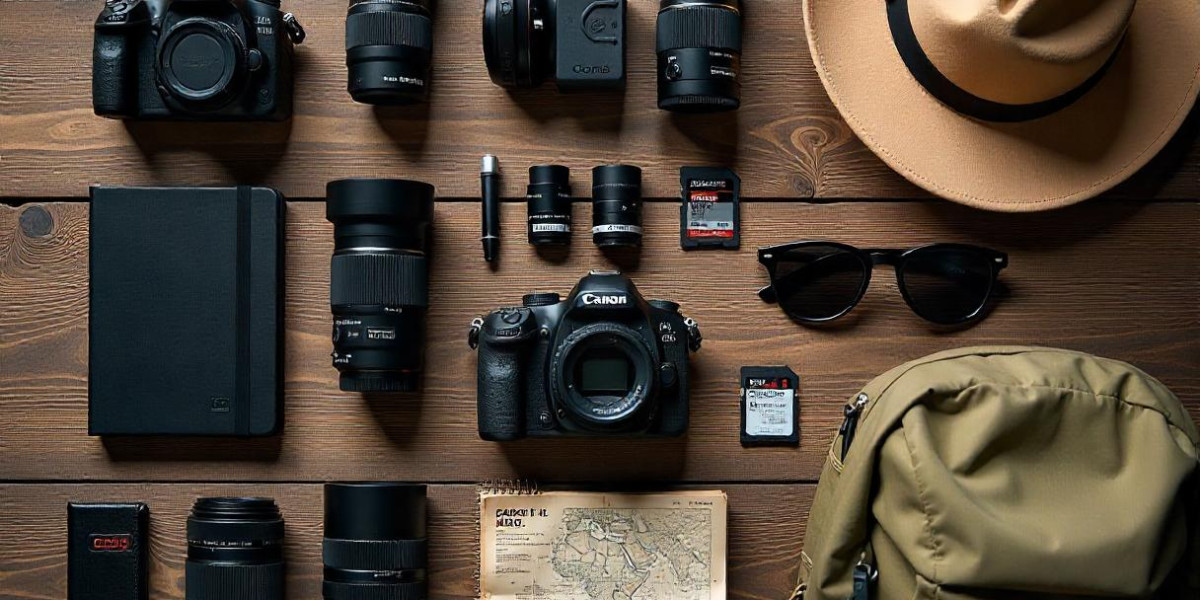
Safari photography is about responsiveness, not perfection.
f/2.8–f/5.6 for wildlife portraits
f/11–f/16 for landscapes
This allows quick adjustments as scenes unfold.
1/2000 sec for running animals and birds
1/400 sec for slower wildlife
1/100–1/200 sec for landscapes (with support)
When in doubt, choose a faster shutter speed.
ISO 100–400: bright daylight
ISO 800–1600: mornings & evenings
ISO 3200+: low light or dusk
Modern cameras handle higher ISO remarkably well.
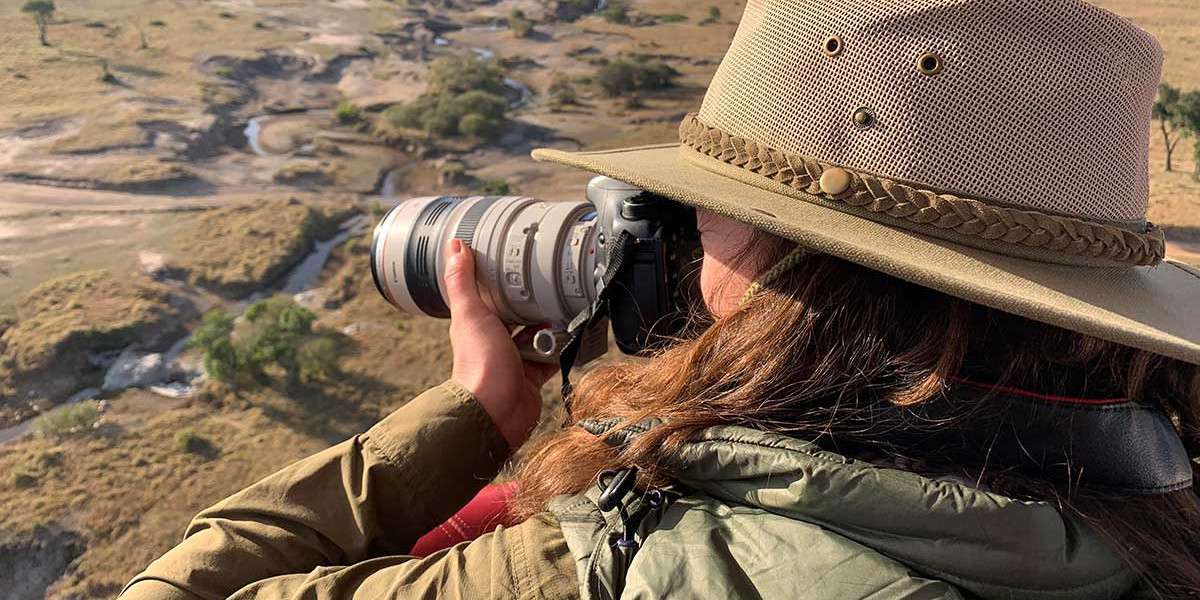
A few thoughtful accessories make a big difference:
Spare batteries & fast memory cards
Lens cloths & dust blower
Comfortable camera strap or harness
Rain and dust covers
Circular polarizing filter
Portable SSD or backup drive
Bean bag (excellent for stabilizing cameras in vehicles)
Tripods are rarely practical in safari vehicles, but a bean bag offers outstanding stability on game drives.
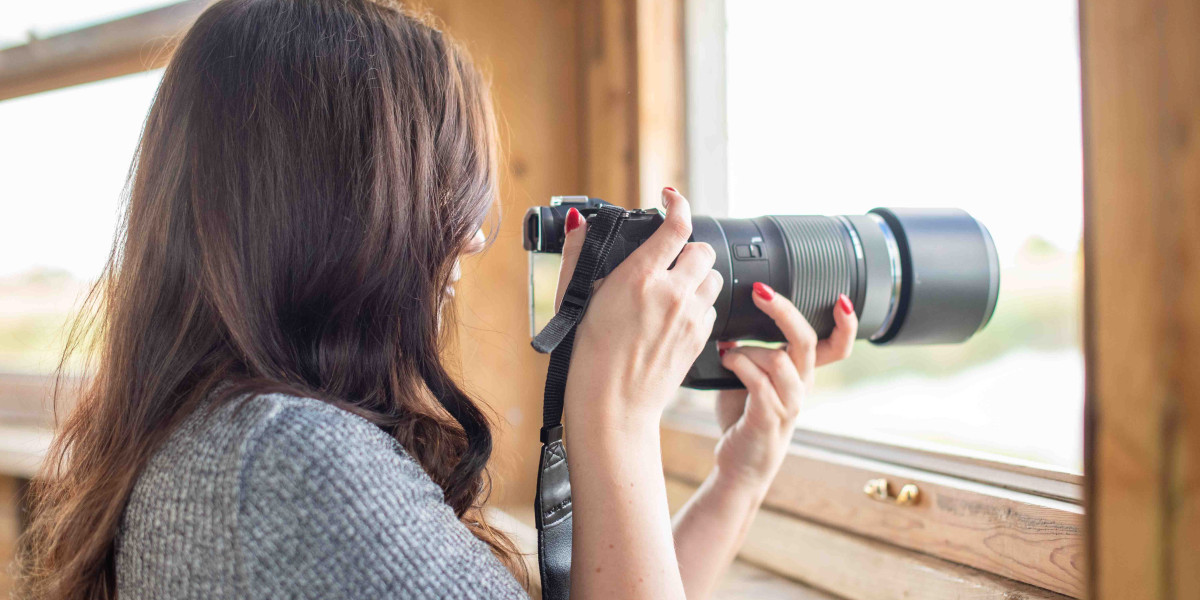
Photography on safari is a privilege.
Respect wildlife space at all times
Never use flash
Follow your guide’s instructions
Avoid blocking views for others
Move quietly and patiently
Leave no trace
Ethical photography preserves the wilderness and often results in the most powerful images.
Capture Africa with Eagle Soul Adventure
A safari is more than a trip. It is an awakening to nature, silence, beauty, and connection.
At Eagle Soul Adventure , we design journeys that allow you to experience Africa at its most authentic. With expert guides, thoughtfully paced itineraries, and deep respect for the land, we ensure every moment and every photograph feels meaningful.
If you are ready to tell Africa’s story through your lens, let Eagle Soul Adventure curate a safari that leaves you with images, emotions, and memories that last a lifetime .