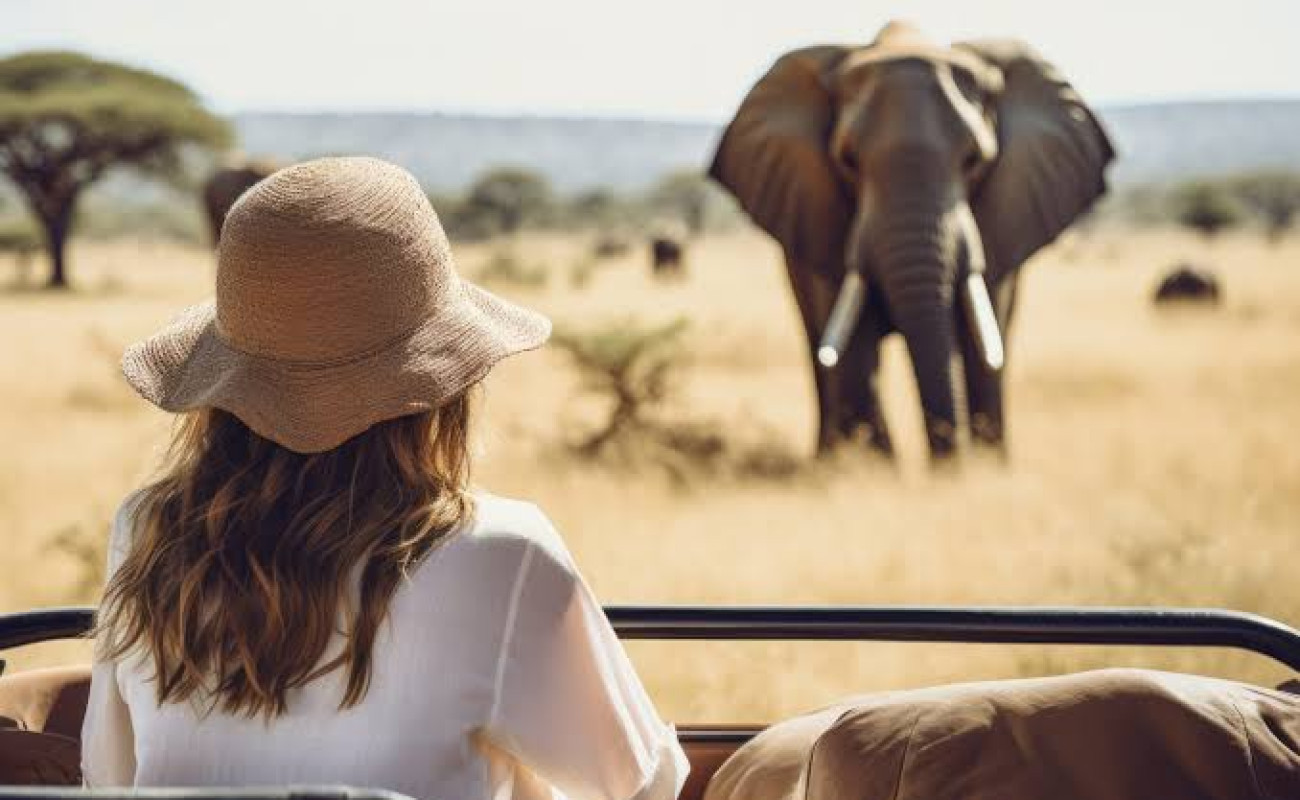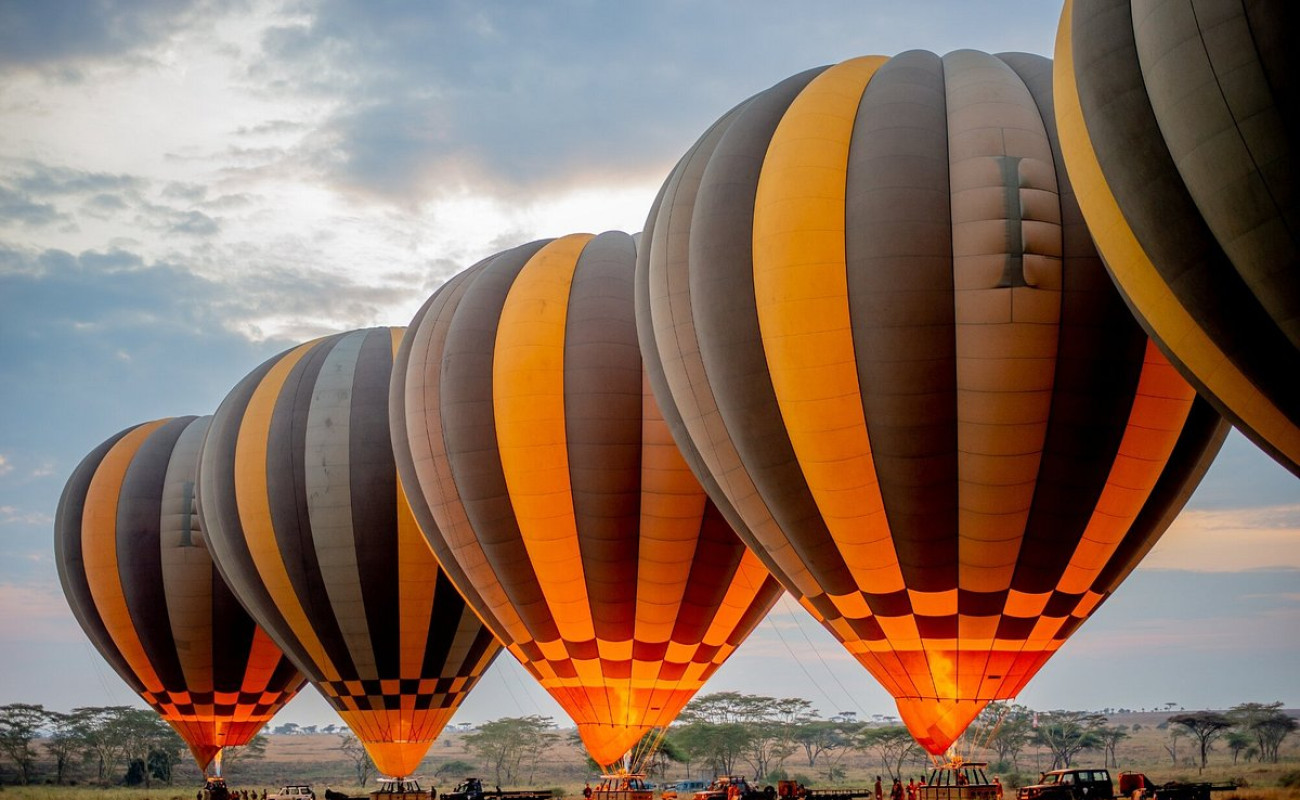

In 2026, East Africa continues to lead the world as the most diverse, authentic, and conservation-driven safari region. Kenya, Uganda, and Tanzania each offer distinct safari identities—together forming a complete wildlife and cultural journey that appeals to first-time visitors, seasoned safari travelers, photographers, filmmakers, families, and purpose-driven explorers.
What makes 2026 especially significant is the refinement of safari experiences: fewer crowds, better guiding standards, community partnerships, improved park management, and a growing focus on sustainability, wellness, and slow travel.
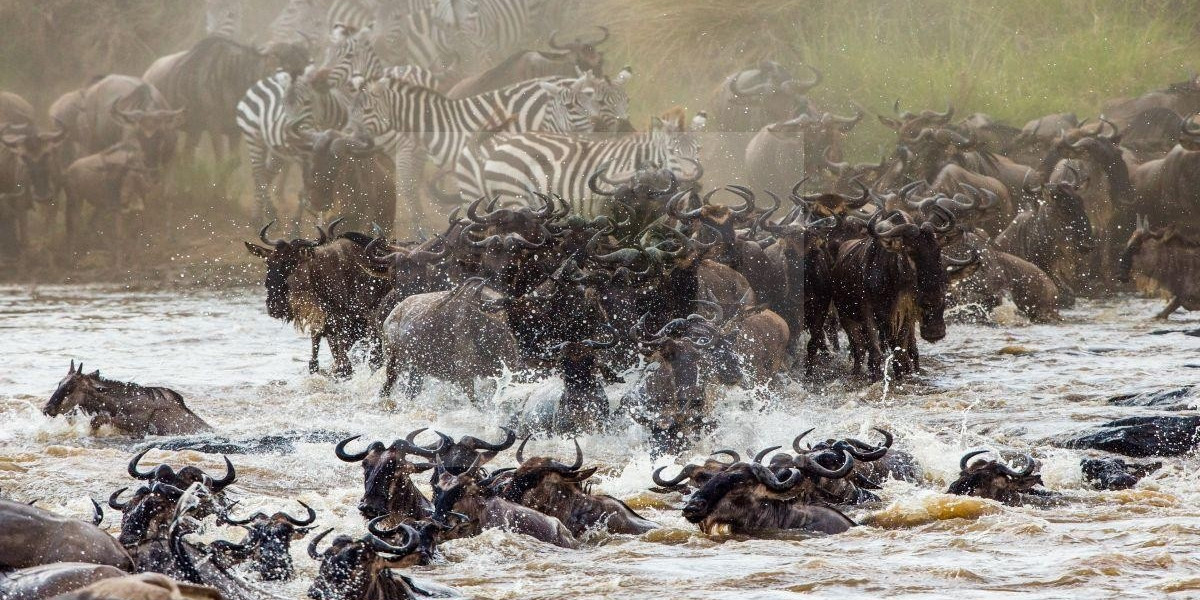
Tanzania is often described as Africa without filters vast, wild, and largely untouched. It offers some of the largest protected ecosystems on the continent, allowing wildlife to move freely and naturally.
Serengeti National Park – The Living Ecosystem
Why it stands out in 2026:
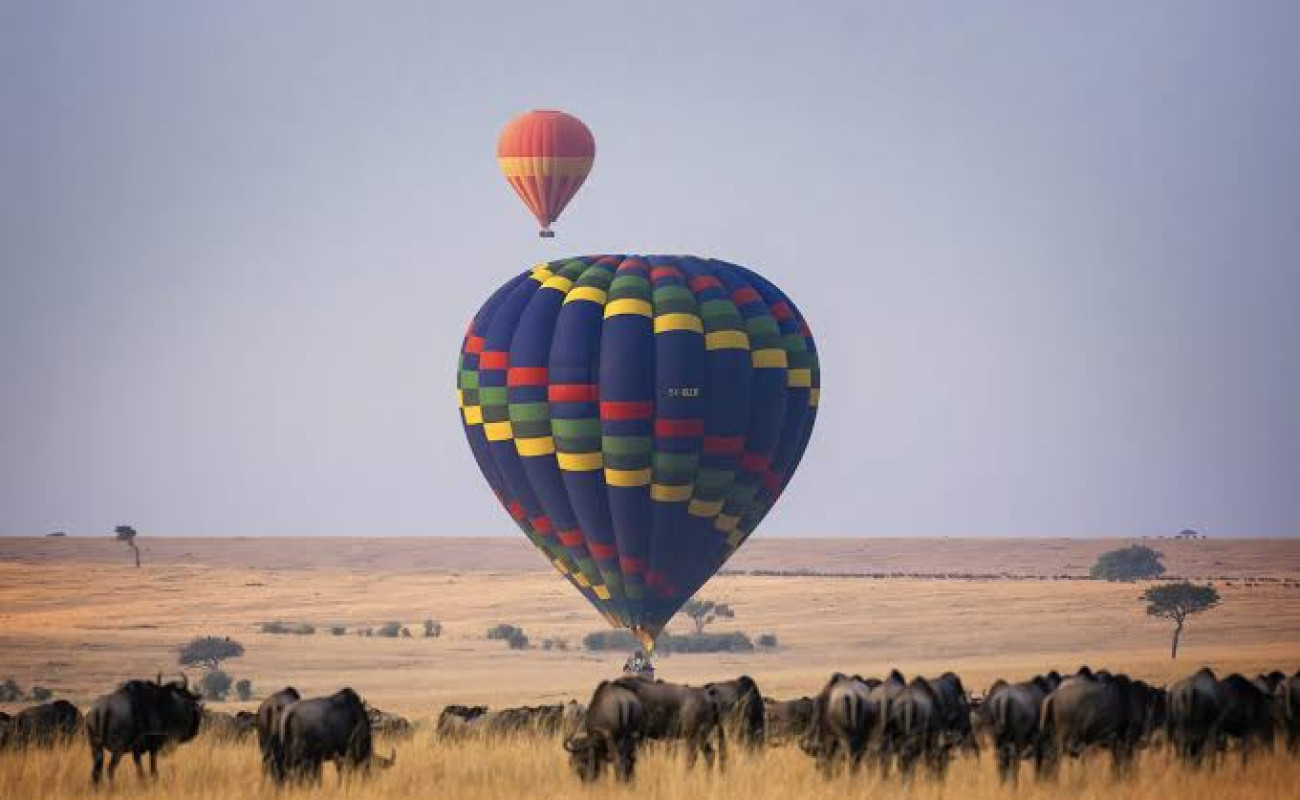
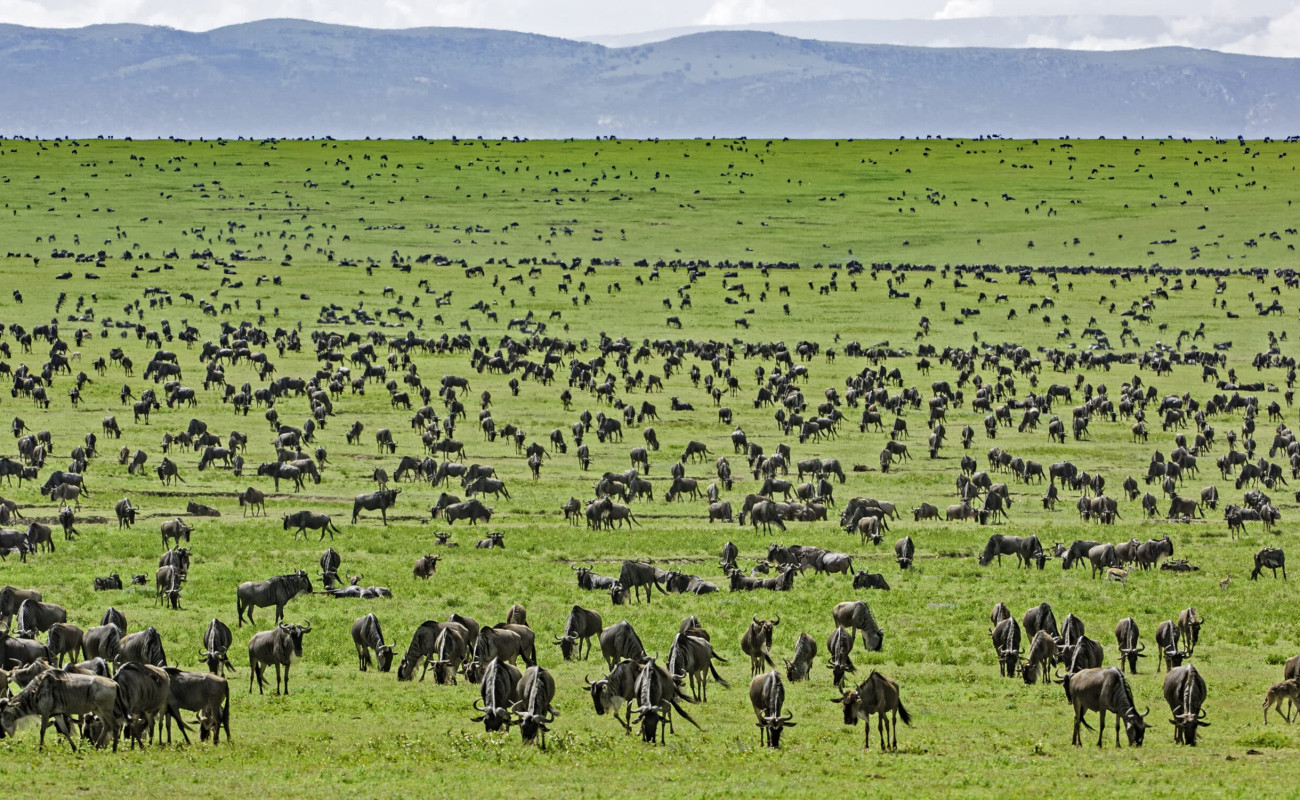
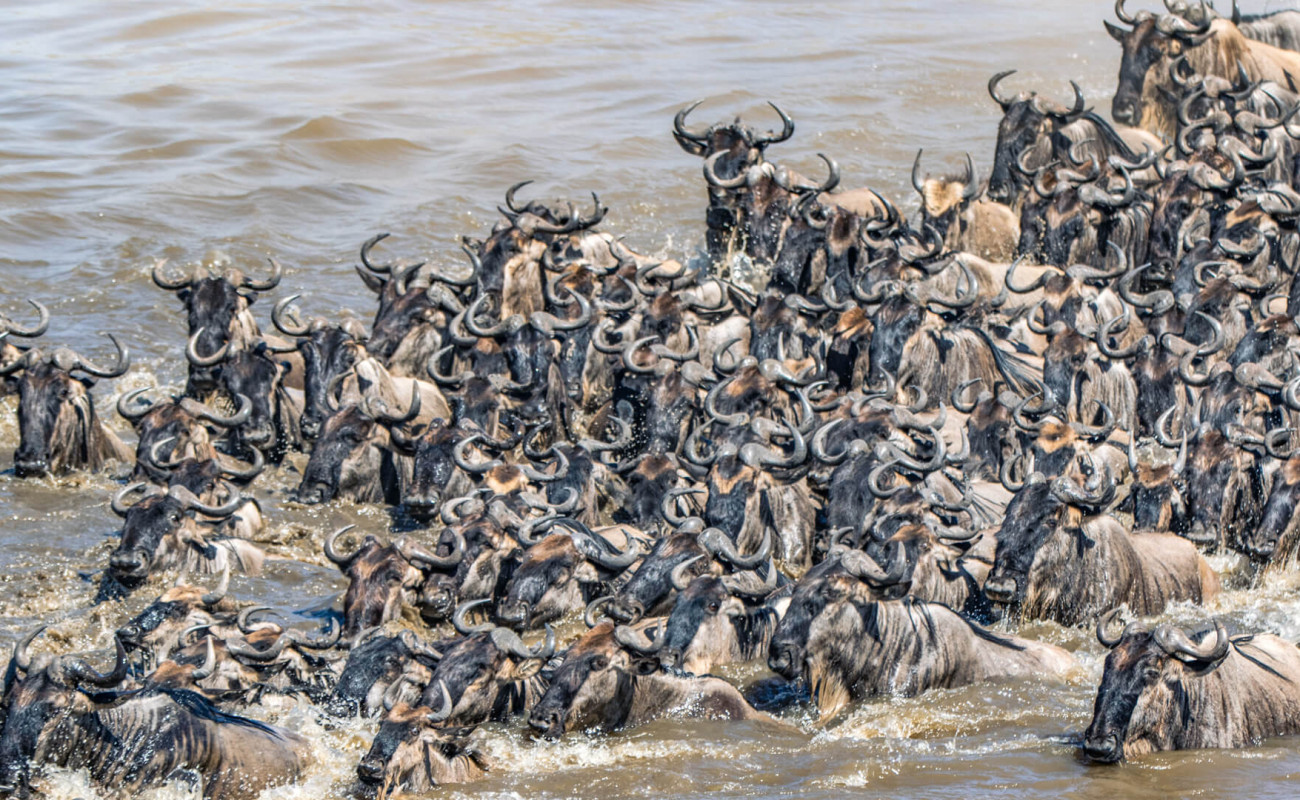
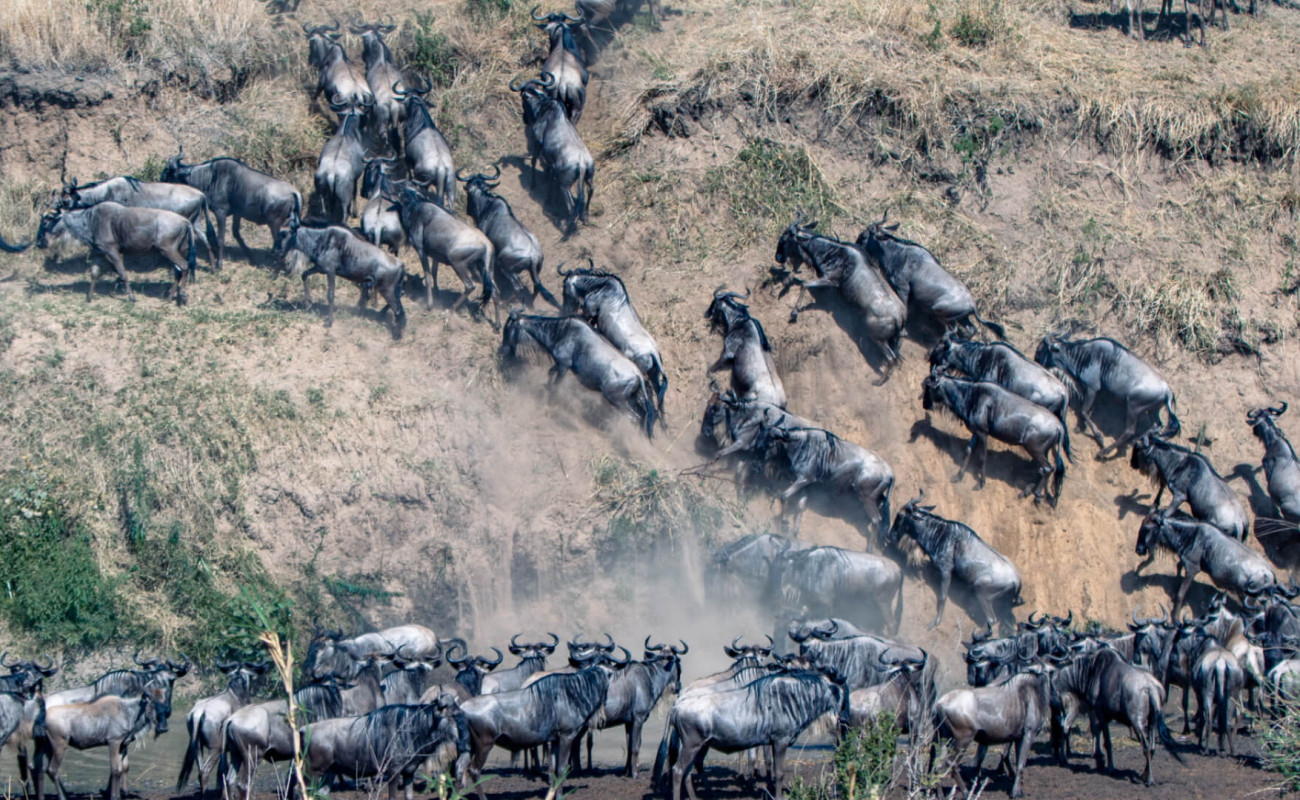
The Serengeti is not just about the Great Migration; it is a self-sustaining ecosystem with year-round wildlife action. Climate-adaptive migration patterns now allow travelers to plan more precisely based on rainfall, grass cycles, and predator behavior.
Over 1.5 million wildebeest and 300,000 zebras
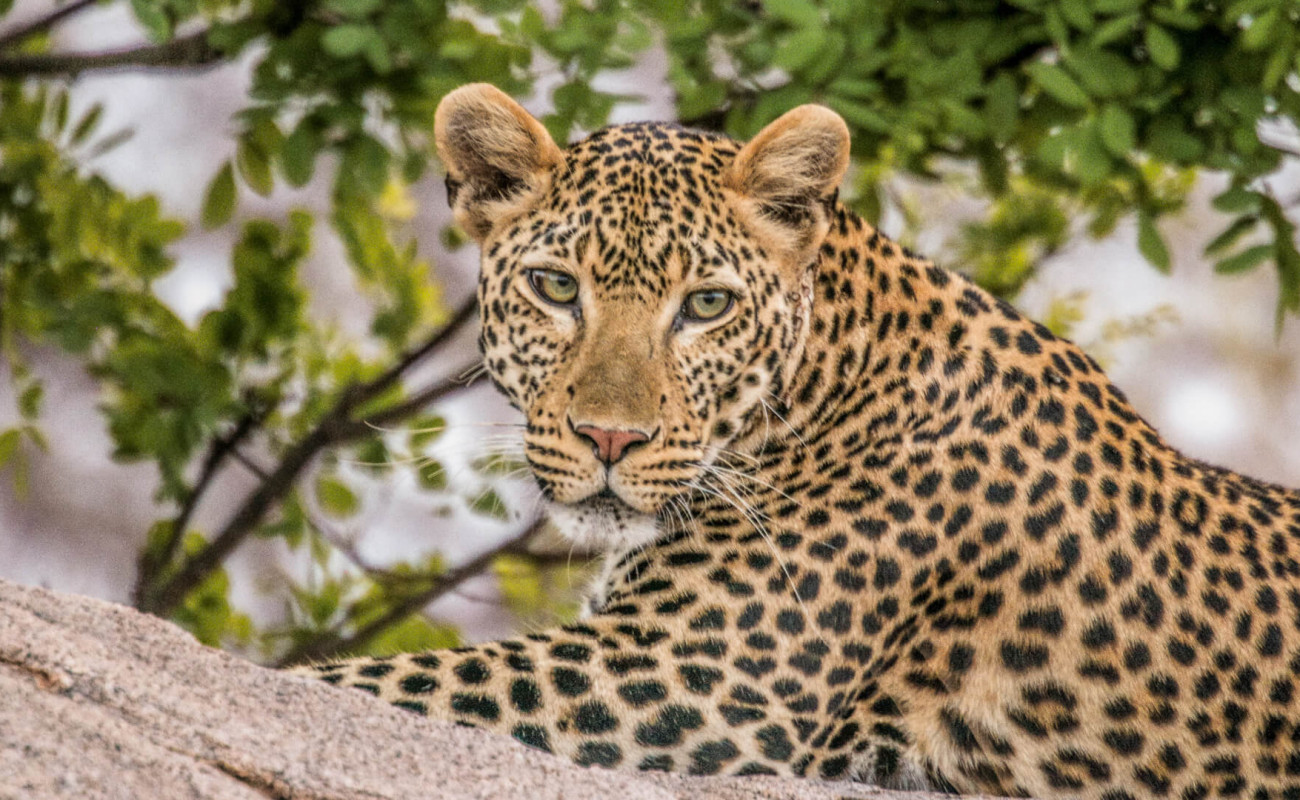
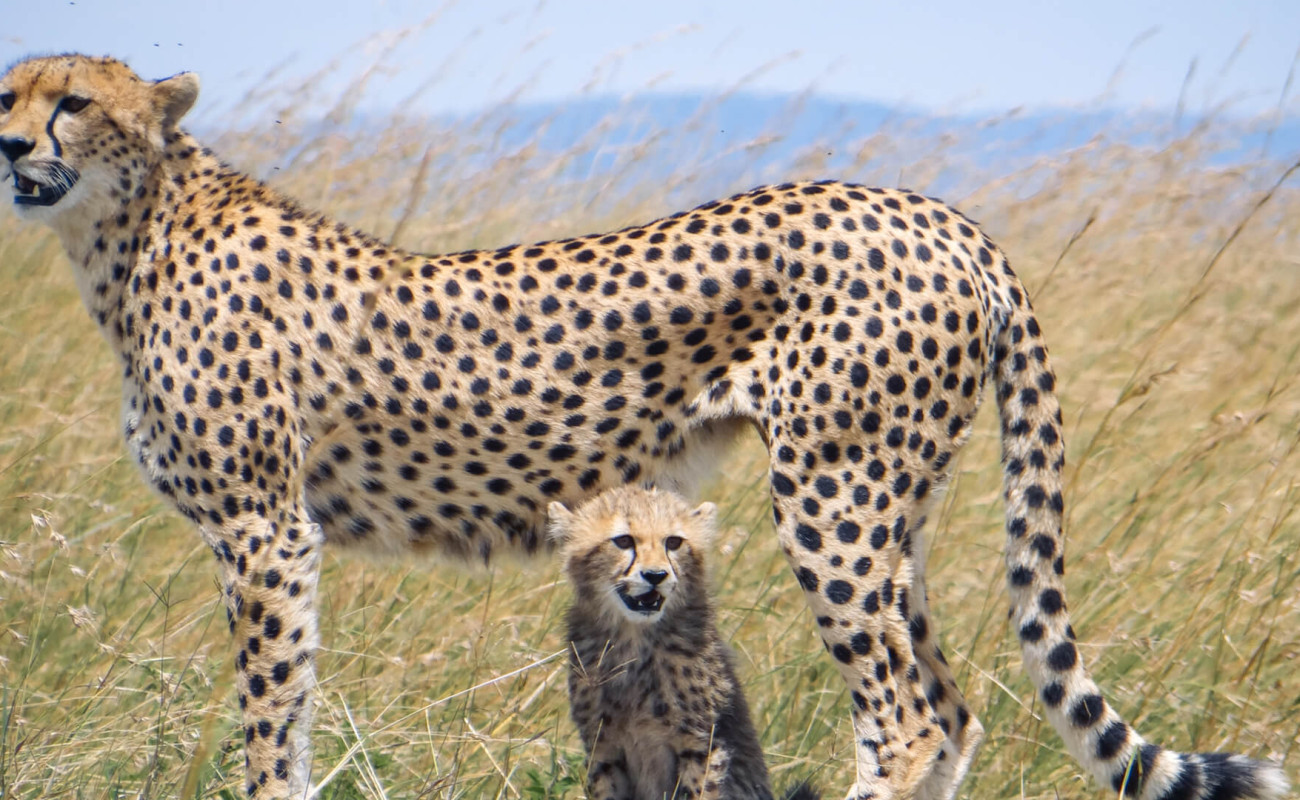
Exceptional lion, leopard, and cheetah populations
Ideal for multi-day safaris and photographic storytelling
Seasonal highlights:
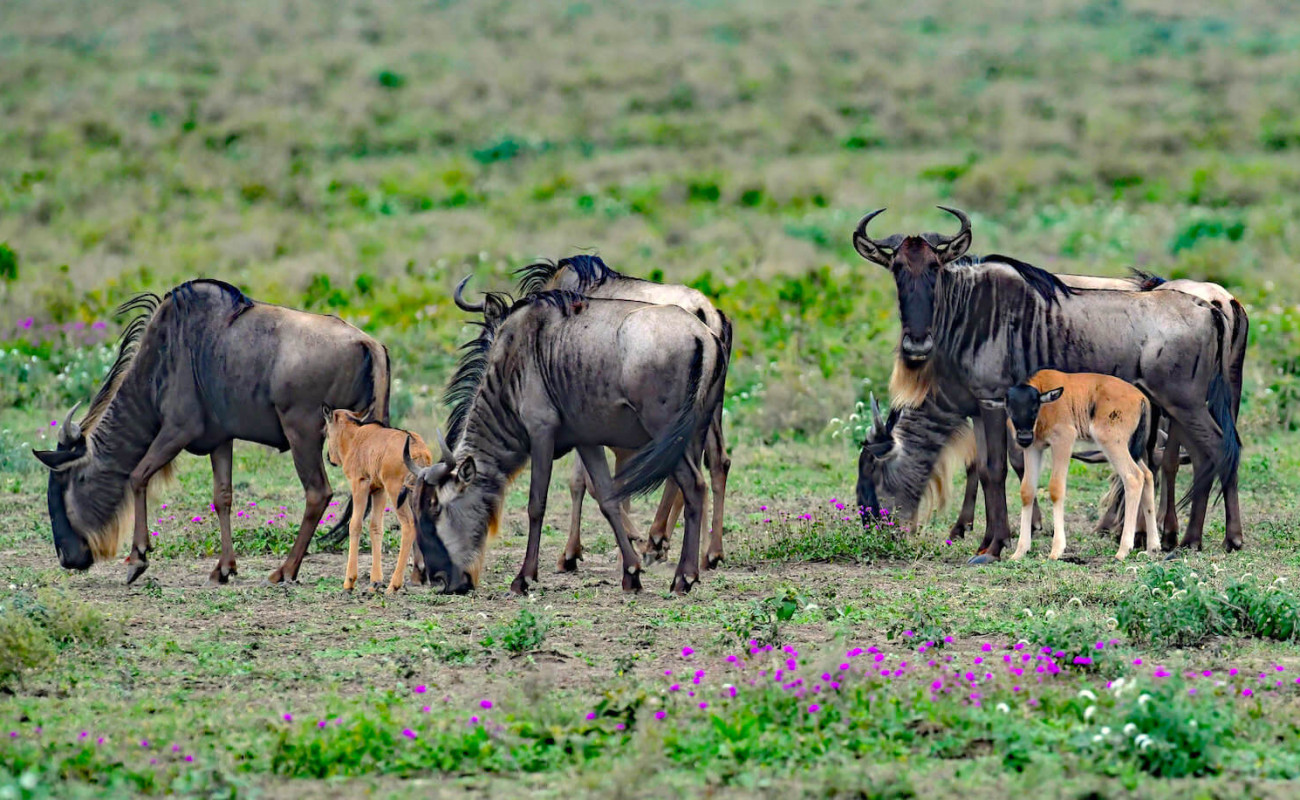
Jan–Mar: Birth season & predator action
Jun–Aug: Dramatic river crossings
Oct–Dec: Fewer crowds, golden landscapes
Best for travelers seeking depth, scale, and cinematic safari experiences.
Ngorongoro Crater – Nature’s Amphitheater
A collapsed volcanic caldera, Ngorongoro offers one of the highest wildlife densities per square kilometer in Africa.
Reliable sightings of black rhino, lions, elephants, and hippos
Natural enclosure allows efficient game viewing
Ongoing conservation controls in 2026 ensure improved visitor experience
Strong Maasai cultural presence adds human heritage context
Ideal for travelers with limited time who still want a Big Five experience.
Ruaha National Park – Tanzania’s Wild Frontier
Ruaha is increasingly favored by experienced safari-goers who want authenticity over luxury gloss.
Massive elephant herds
Rare predators such as African wild dogs
Dramatic river systems and rugged terrain
Very low vehicle density
Best for repeat visitors, conservationists, and travelers seeking solitude.
Nyerere National Park (Selous) – Safari Beyond Game Drives
Africa’s largest national park offers multi-dimensional safaris.
Boat safaris on the Rufiji River
Walking safaris with armed rangers
Fly-camping and off-grid lodges
Excellent for couples and slow-travel experiences
Perfect for adventurous and experiential safari travelers.

Kenya is known for its highly trained guides, pioneering conservation models, and dramatic scenery. In 2026, Kenya continues to set benchmarks for ethical wildlife tourism.
Masai Mara National Reserve – Where Drama Meets Elegance
The Mara is legendary, but its real strength lies in private conservancies.
Migration river crossings (Jul–Sep)
Off-road driving and night safaris in conservancies
Fewer vehicles, deeper wildlife encounters
Direct support to Maasai landowners
Best for photographers, luxury travelers, and migration-focused safaris.
Amboseli National Park – Giants Beneath Kilimanjaro
Amboseli offers one of Africa’s most iconic views.
Large, well-studied elephant families
Striking contrast between dry plains and snow-capped Kilimanjaro
Strong conservation and elephant research programs
Ideal for short safaris, families, and wildlife photography.
Laikipia Plateau – Conservation in Action
Laikipia represents the future of African safaris.
Endangered species protection (rhinos, wild dogs)
Walking, camel, and horseback safaris
Deep cultural interaction with local communities
No mass tourism
Best for conscious travelers and conservation-focused journeys.
Samburu National Reserve – The Northern Secret
Samburu’s semi-arid landscape supports wildlife not seen elsewhere.
“Samburu Special Five” species
Strong cultural presence
Raw, untamed atmosphere
Perfect for travelers wanting something different from classic savannahs.
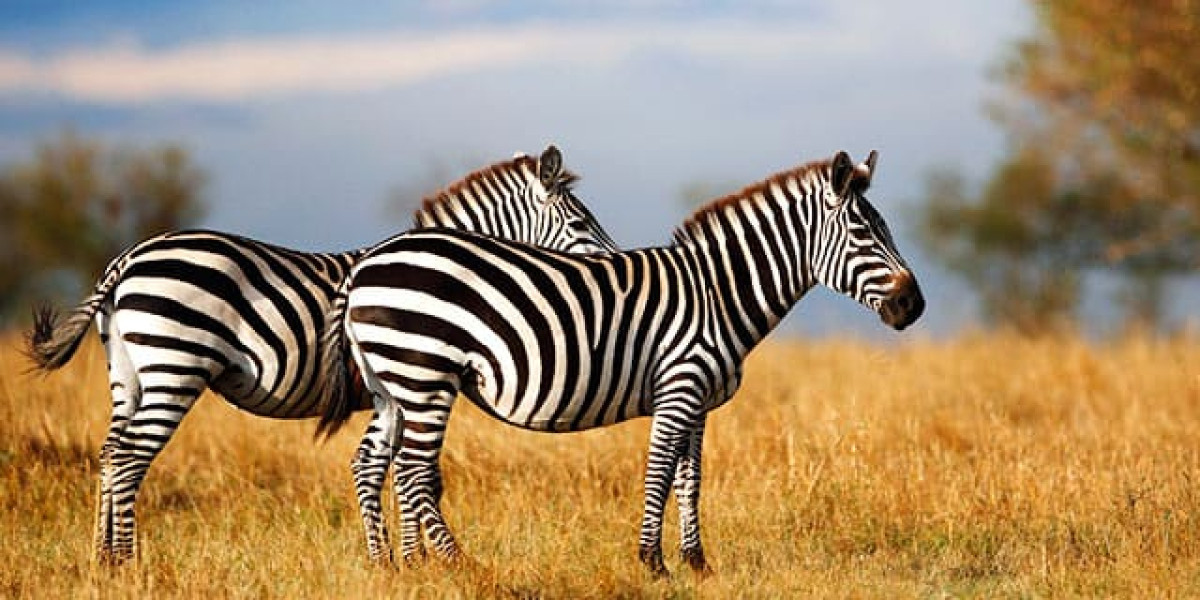
Uganda is less about endless plains and more about intimate, emotional wildlife encounters.
Bwindi Impenetrable Forest – Gorilla Encounters
Gorilla trekking is often described as life-changing.
Strictly controlled permits ensure ethical tourism
Small trekking groups
High success rate of sightings
Direct contribution to conservation and communities
Best for travelers seeking emotional depth and meaningful encounters.
Kibale Forest – Primate Capital of the World
Kibale offers the highest concentration of primates in Africa.
Chimpanzee habituation experiences
Educational and research-oriented guiding
Lush rainforest atmosphere
Ideal for wildlife behavior enthusiasts.
Queen Elizabeth National Park – Diversity in One Park
A transitional ecosystem combining savannah, lakes, and forests.
Tree-climbing lions
Boat safaris on Kazinga Channel
Excellent birdlife
Best for mixed safari experiences.
Murchison Falls National Park – Power of Nature
Here, the Nile forces itself through a narrow gorge.
River safaris with hippos and crocodiles
Strong elephant and giraffe populations
Scenic landscapes rarely matched elsewhere
Great for travelers who value landscapes as much as wildlife.
Why Safari Travel in 2026 Is Different (and Better)
✔ Smarter seasonal planning
✔ Reduced overcrowding through zoning
✔ Growth of women-only and wellness safaris
✔ Increased walking & cultural experiences
✔ Stronger community benefit models
✔ Improved safari vehicle standards
Final Expert Insight
A safari in Kenya, Uganda, or Tanzania in 2026 is no longer just about seeing animals,it is about understanding ecosystems, supporting communities, and traveling with intention.
Each country offers a different rhythm:
Tanzania for scale and wilderness
Kenya for refinement and conservation
Uganda for intimacy and emotion
When combined or chosen wisely they deliver one of the most powerful travel experiences on Earth.