
A safari in East Africa is more than a trip — it’s a lifelong dream, a powerful immersion into nature, and often, a profoundly emotional experience. But in the pursuit of this dream, many travelers fall into the trap of choosing the “cheapest” safari option available.
At Eagle Soul Adventure, we've witnessed the reality behind these bargain deals — from uncomfortable and unsafe conditions to lost opportunities that should have been unforgettable. While a low price may seem like a smart choice, it often hides deep compromises in safety, quality, ethics, and experience.
A safari that’s significantly lower in price almost always means that something is being sacrificed — often in areas that directly affect your well-being and enjoyment:
Inexperienced or underpaid guides
Poorly maintained or unsafe vehicles
Overcrowded vehicles with no guaranteed window seats
Low-standard accommodations with poor hygiene and safety
Rushed itineraries with minimal time in national parks
Hidden fees that appear mid-trip
In many cases, the itinerary advertised is not the one delivered — and the dream quickly turns into disappointment.
1. Safety Isn’t Guaranteed
Reliable safaris demand well-maintained 4x4 vehicles, working communication equipment, and guides trained in emergency protocols. Cheap operators may send you into remote areas in vehicles with no spares, no radio, or no first-aid kits — a serious risk in the wild.
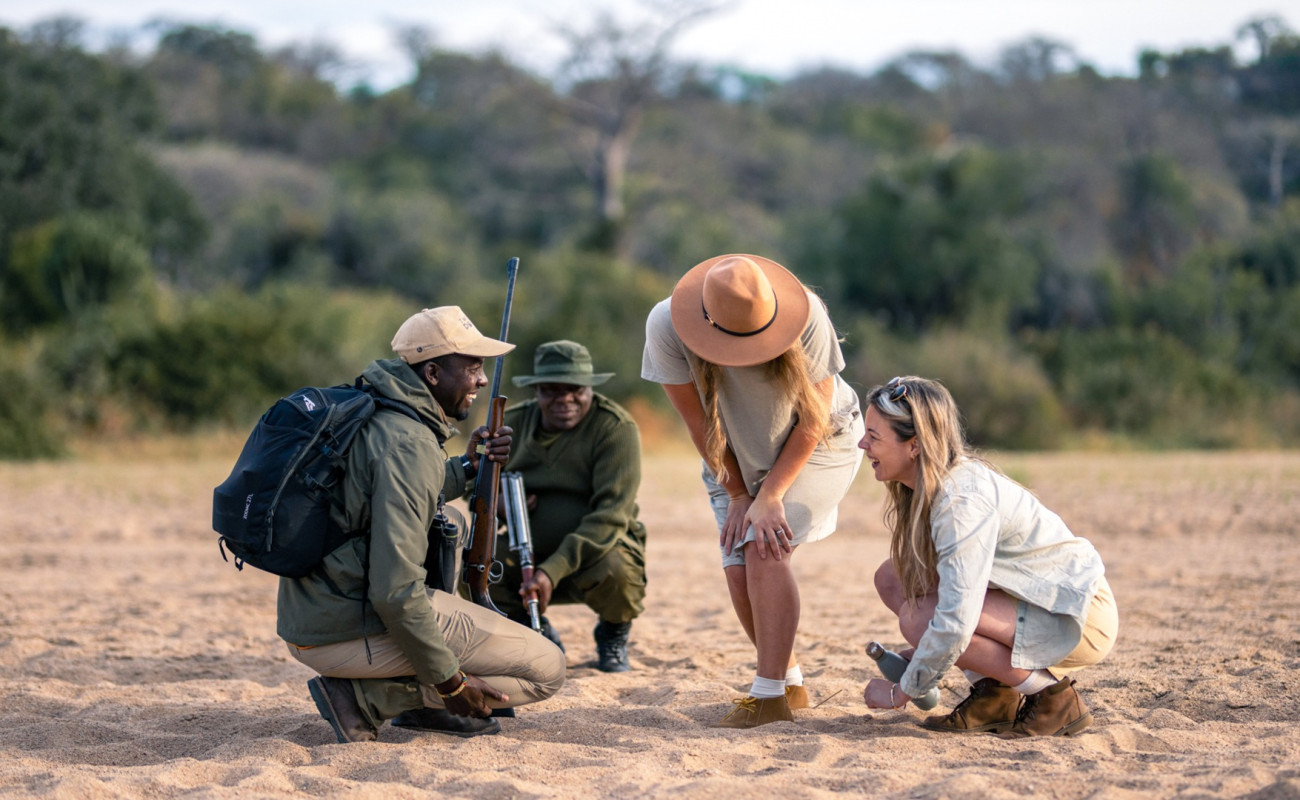
Your guide is your lifeline on safari — your educator, protector, and storyteller. With cheap tours, guides are often poorly paid and overworked, lacking the incentive or experience to deliver a rich, meaningful experience. The result? Missed wildlife sightings, misinformation, and a lack of passion.
3. Overcrowded Game Drives
Many budget operators cram 7 to 9 guests into a single safari vehicle. This leads to restricted views, constant seat rotation, and frustration — a far cry from the exclusive, immersive experience you imagined.
4. Low-Quality Accommodation
Cheap packages often include accommodation that’s far from park gates, cutting into your time with nature. You may encounter unclean facilities, shared bathrooms, no electricity, and even unhygienic kitchens — all of which erode the joy of your journey.
Low-budget providers often disregard responsible tourism practices, including:
Off-road driving that damages fragile ecosystems
Harassment of wildlife for close photos
Use of camps and lodges that don’t invest in conservation
Underpayment and exploitation of local staff
This undermines the long-term sustainability of safari tourism and harms the very landscapes and communities you came to support.
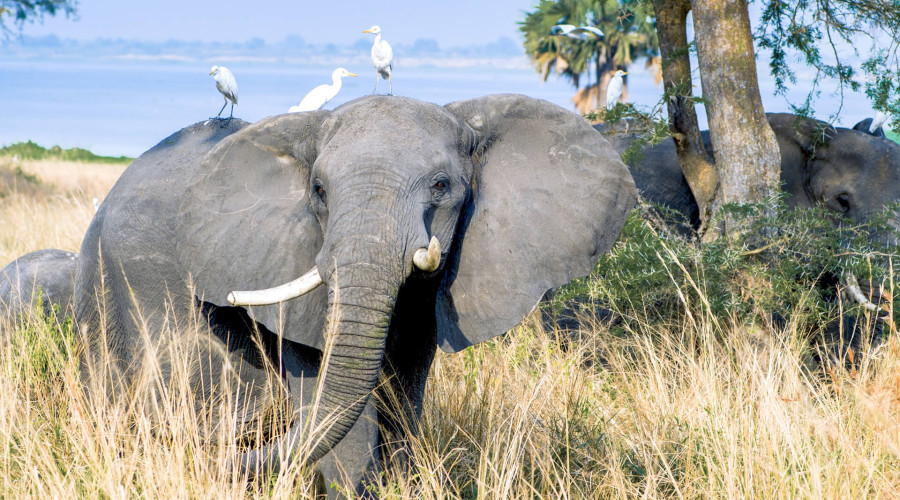
A safari should be transformational, not transactional. You deserve:
Skilled, certified local guides who respect both nature and your curiosity
Small group or private safaris that allow flexibility, focus, and deeper immersion
Safe, modern vehicles with window seats for every guest and onboard essentials
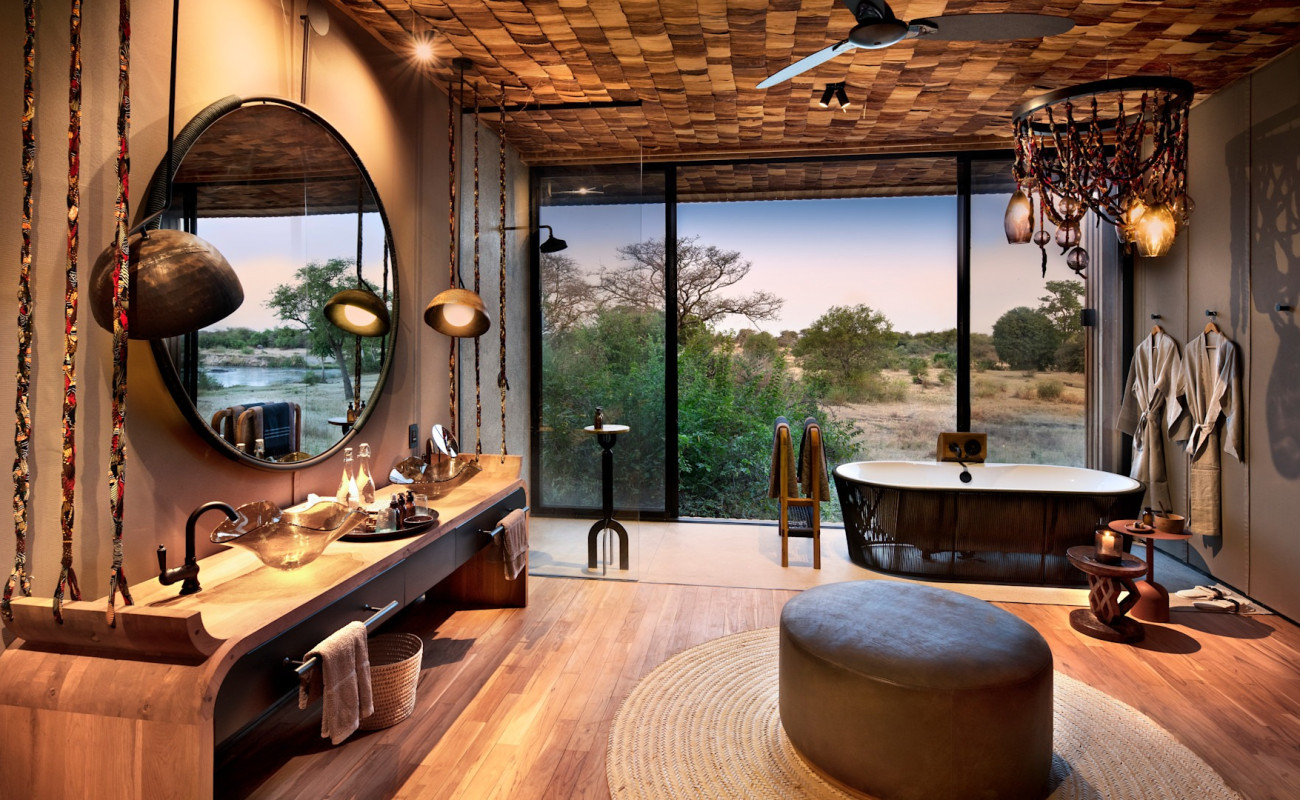
Well-positioned lodges and camps that blend comfort with wilderness intimacy
Transparent, ethical practices that give back to local communities and conservation efforts
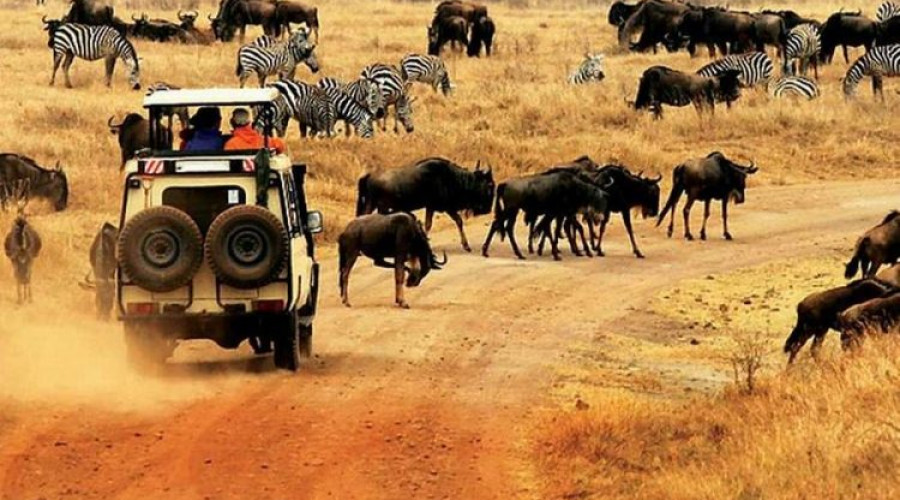
Before you book, make sure your safari provider offers:
Clear, transparent pricing
Verified reviews and testimonials from real clients
Fully licensed, insured, and compliant operations
Customizable itineraries that match your interests and priorities
Guides trained and certified by recognized tourism bodies (e.g., TANAPA)
Health and safety protocols that prioritize your well-being
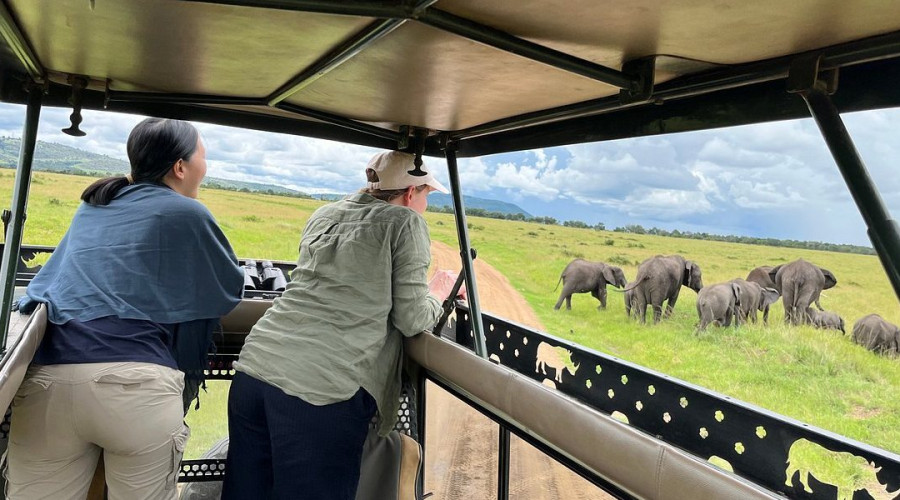
At Eagle Soul Adventure, we see every safari as an investment — in memories, in meaningful travel, and in the future of East Africa’s people and wildlife. When you choose us, you’re choosing:
Ethical tourism that uplifts local livelihoods and protects the wild
Unrushed, immersive experiences that go far beyond sightseeing
Personalized service built on passion, professionalism, and care
Peace of mind, knowing every detail is managed by experts
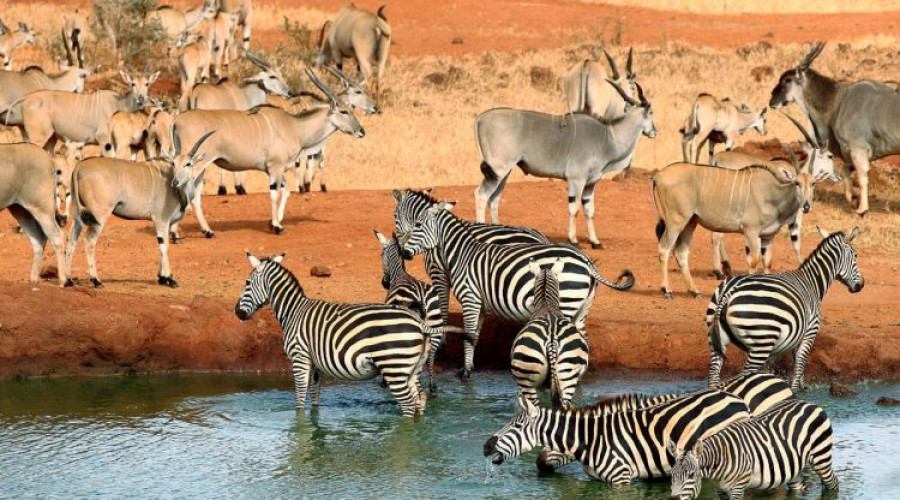
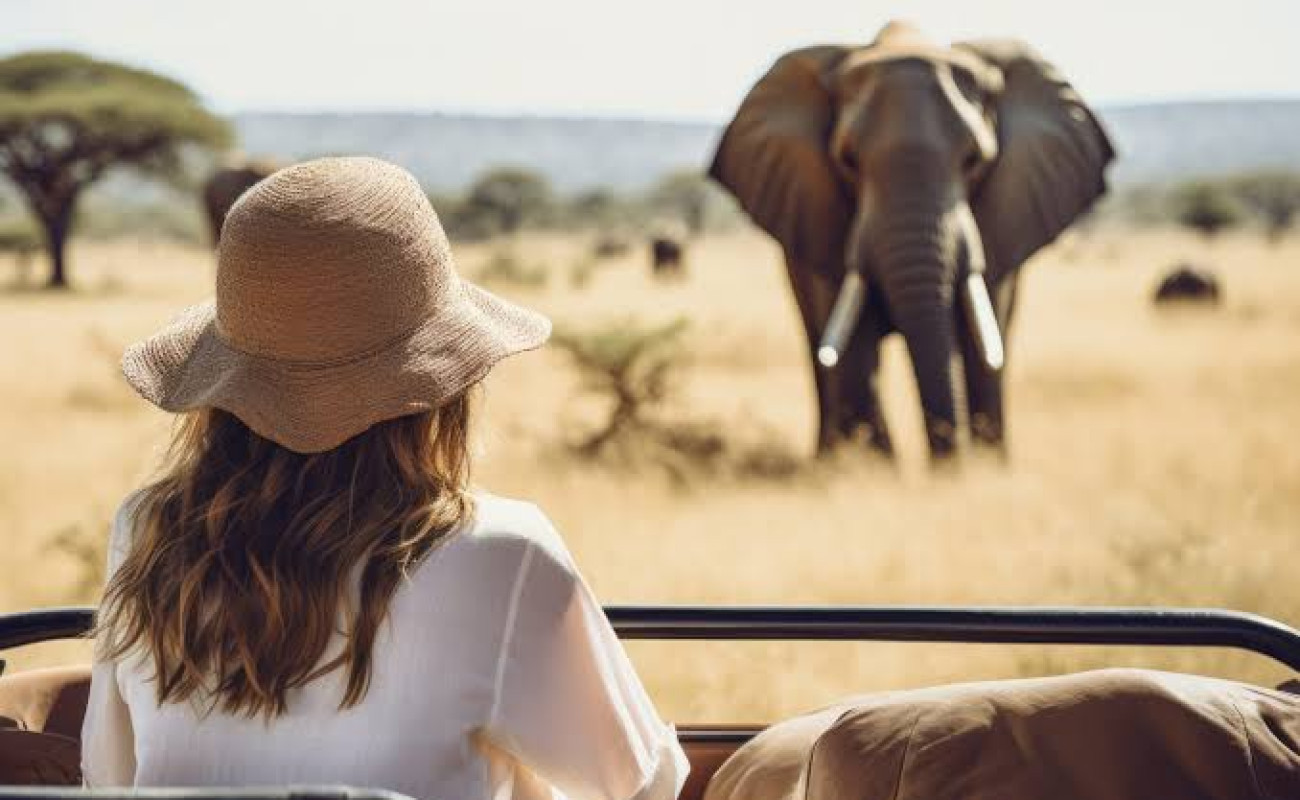
A lion sighting at sunrise. A herd of elephants crossing the plains. The silence of the African night beneath a baobab tree. These are once-in-a-lifetime moments — and they deserve a safari built with integrity.
A “cheap” safari might save you a few dollars, but it could cost you comfort, safety, ethics, and the magic you came for.
At Eagle Soul Adventure, we don’t sell shortcuts. We create journeys that stir your soul, respect the land, and deliver excellence in every mile.
Travel with purpose. Travel with confidence. Travel with Eagle Soul Adventure.
Let your safari be as unforgettable as the land itself.