
Deep dives into iconic parks, rich wildlife, insider tips—crafted for the discerning traveler
2025 is shaping up to be a landmark year for East African safaris. From Tanzania’s vast wilderness to Kenya’s iconic plains and Uganda’s unique mountain ecosystems, the region offers an almost unparalleled depth of immersive wildlife, cultural richness, and luxury. Each park delivers its own magic—whether it’s witnessing millions of wildebeest on the move, giant elephant herds by ancient baobabs, or trekking gorillas in misty rainforests. Here’s your ultimate guide to the best safari experiences, complete with detailed insights to help shape an unforgettable journey.
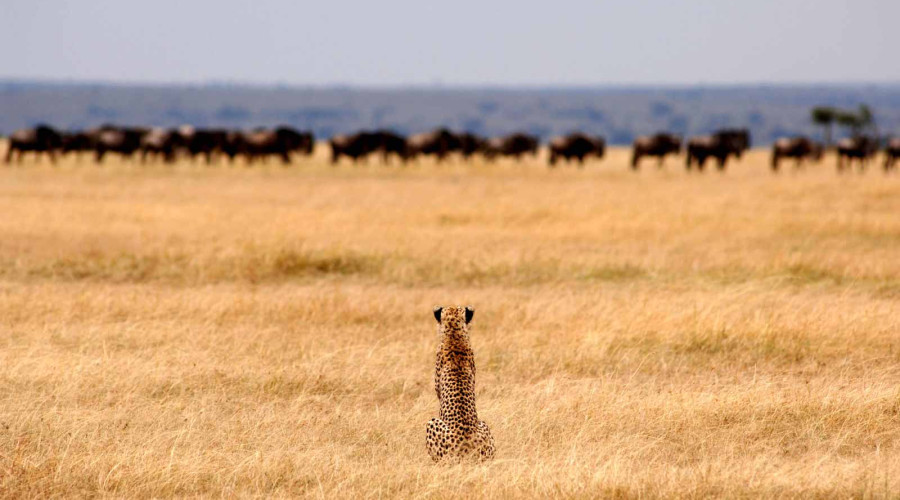
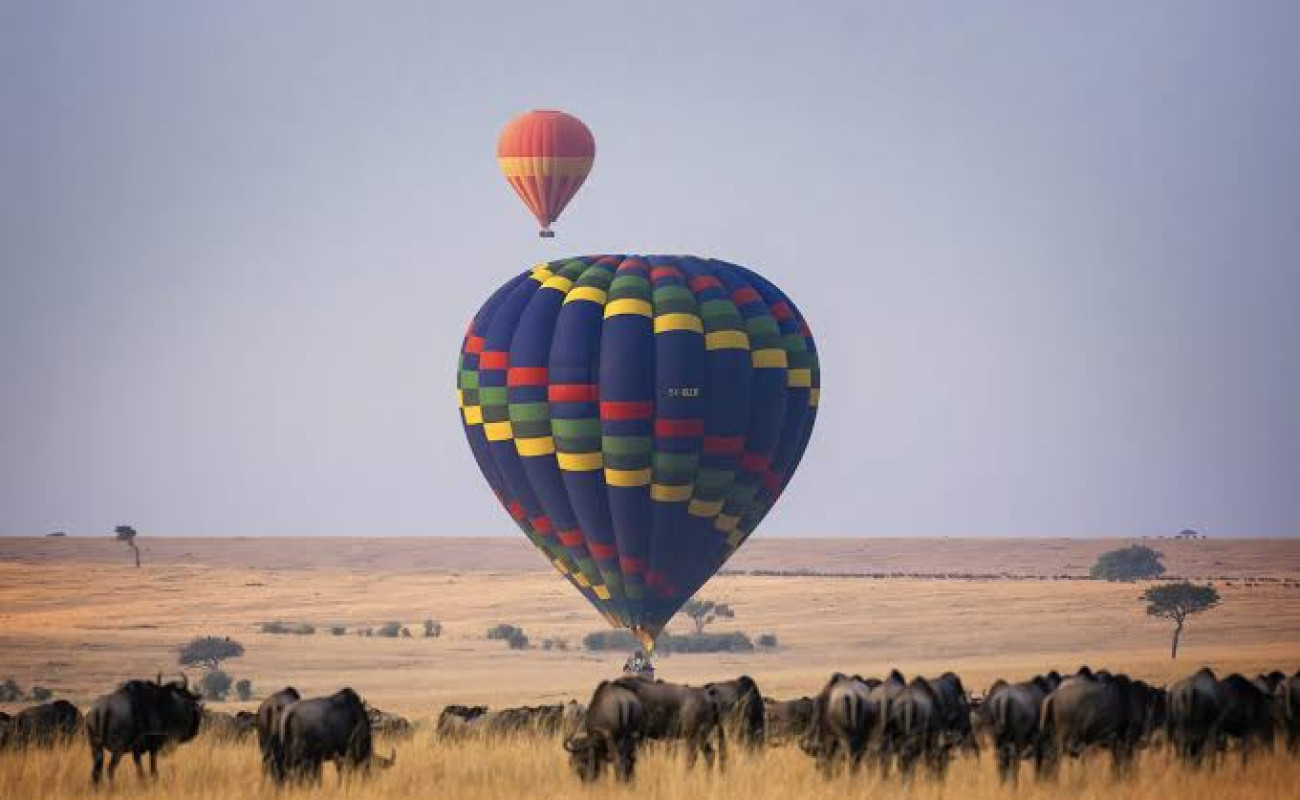
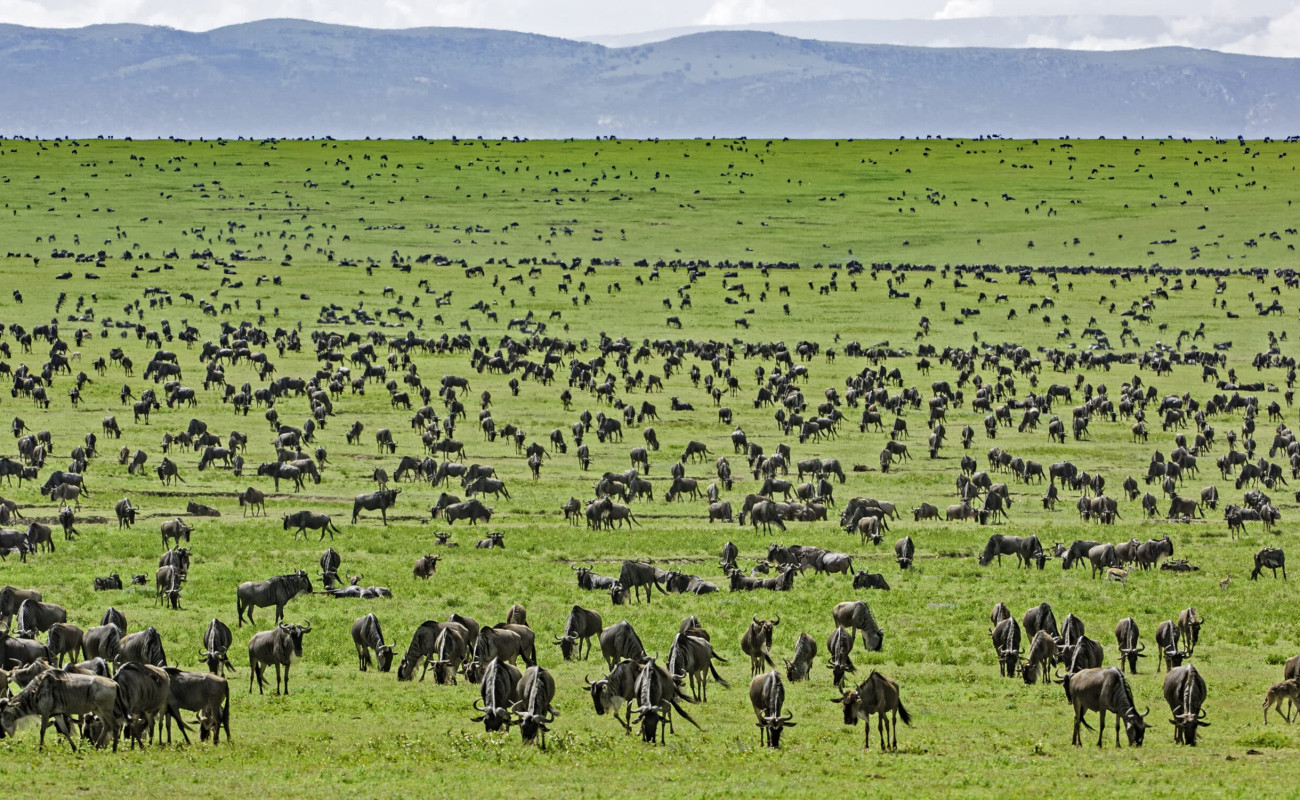
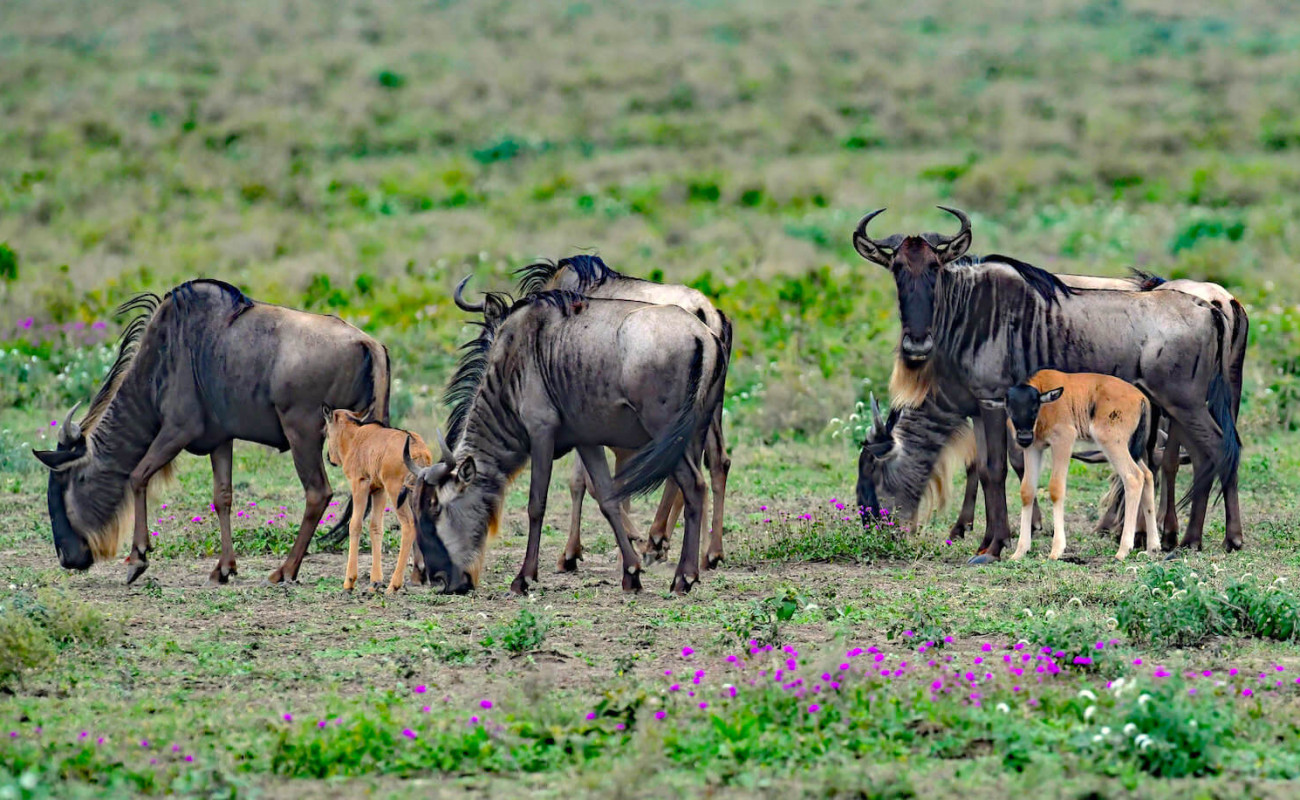
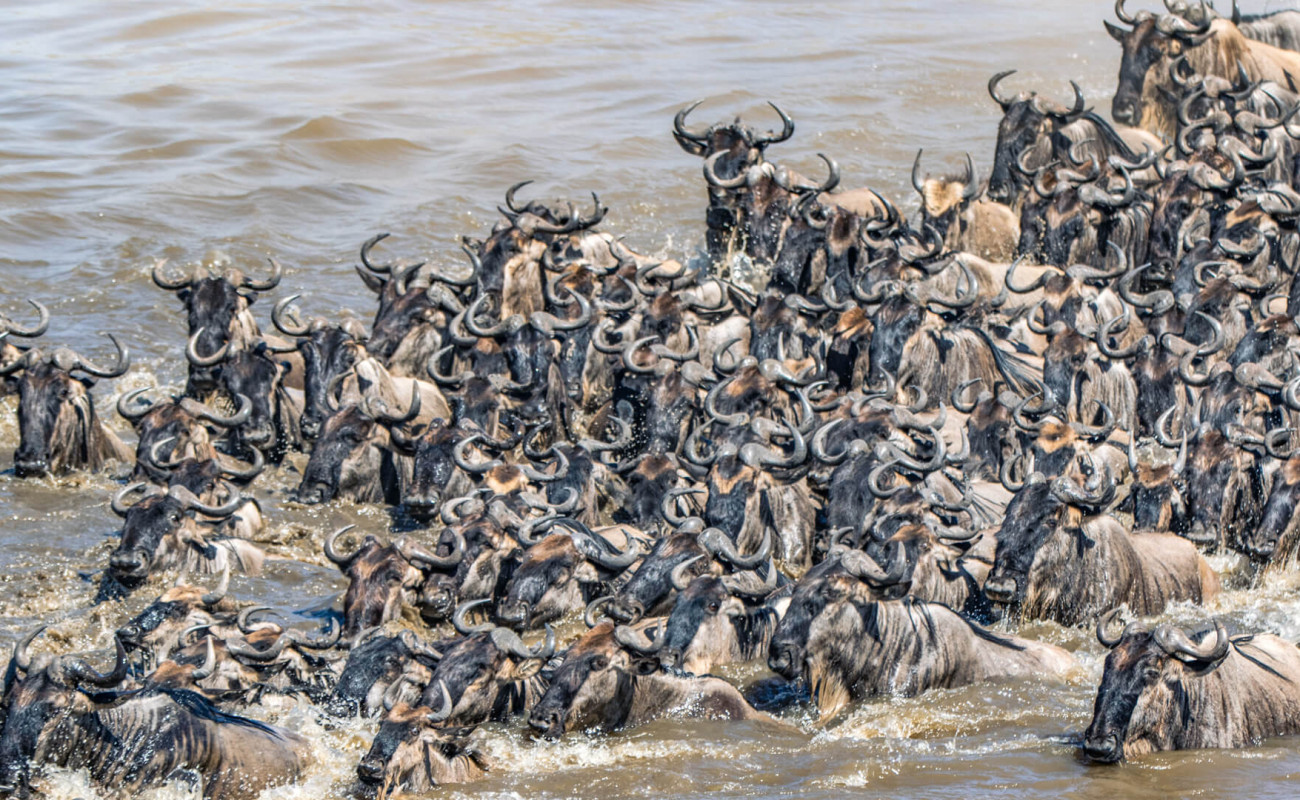
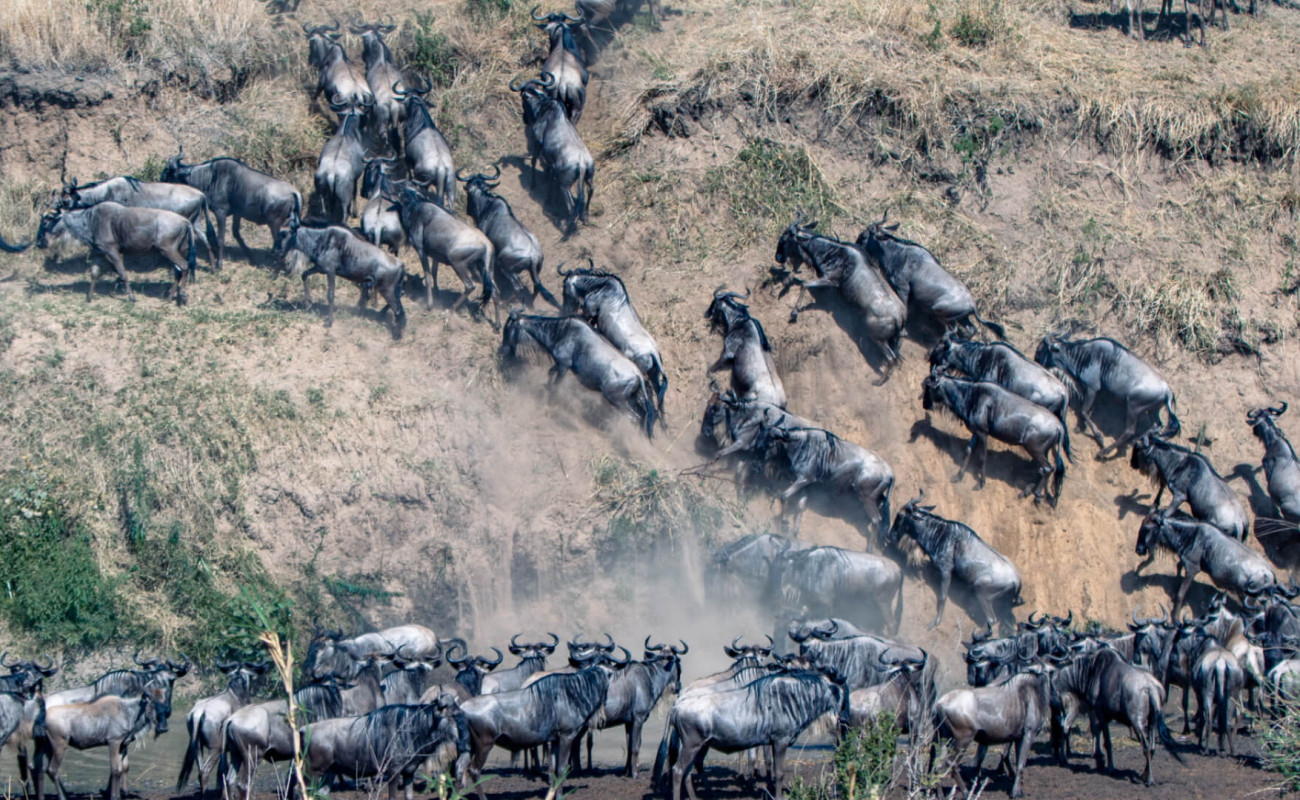
Live the Migration : Over 1.7 million wildebeest circle Serengeti annually—born in Ndutu (Jan–Mar), roaming central plains by May, crossing Grumeti (Jun–Jul), and making dramatic Mara River crossings (Aug–Oct).
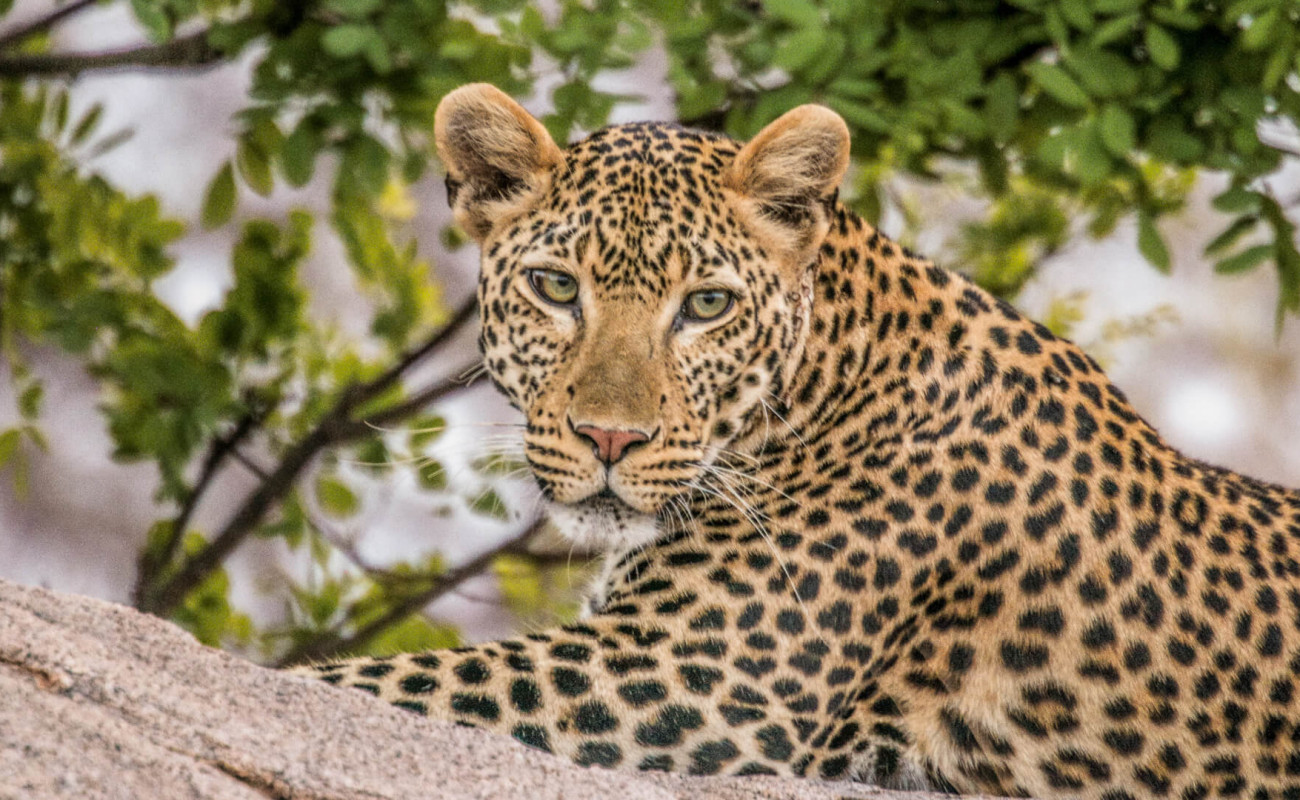
Why it dazzles: Predators abound – cheetahs hunting calves, crocodiles ambushing river crossings, lions prowling kopjes.
Expert Tip:
2. Ngorongoro Conservation Area
A volcanic amphitheatre teeming with over 25,000 animals—including black rhino.
What makes it unique: The crater floor is alive with dense populations of cheetahs, jackals, hyenas, and flamingos feeding in soda lakes.
Local Impact: Select lodges support the Maasai land rights and offer community visits—Ramadan visits provide access to village life and beadwork traditions.
Logs to book: Rim lodges deliver sunrise crater panoramas while hillside camps deliver birdlife immersion in Afro-alpine forests.
Home to giant elephant bulls and rare tree-climbing lions under ancient baobabs.
Wildlife magnet: Tarangire River sustains mass wildlife migrations in dry season; nighttime safaris here reveal elusive bushbabies and hyenas at rest.
Flora & fauna: Over 550 bird species—watch for yellow-collared lovebirds, tawny eagles, and the charismatic lilac-breasted roller.
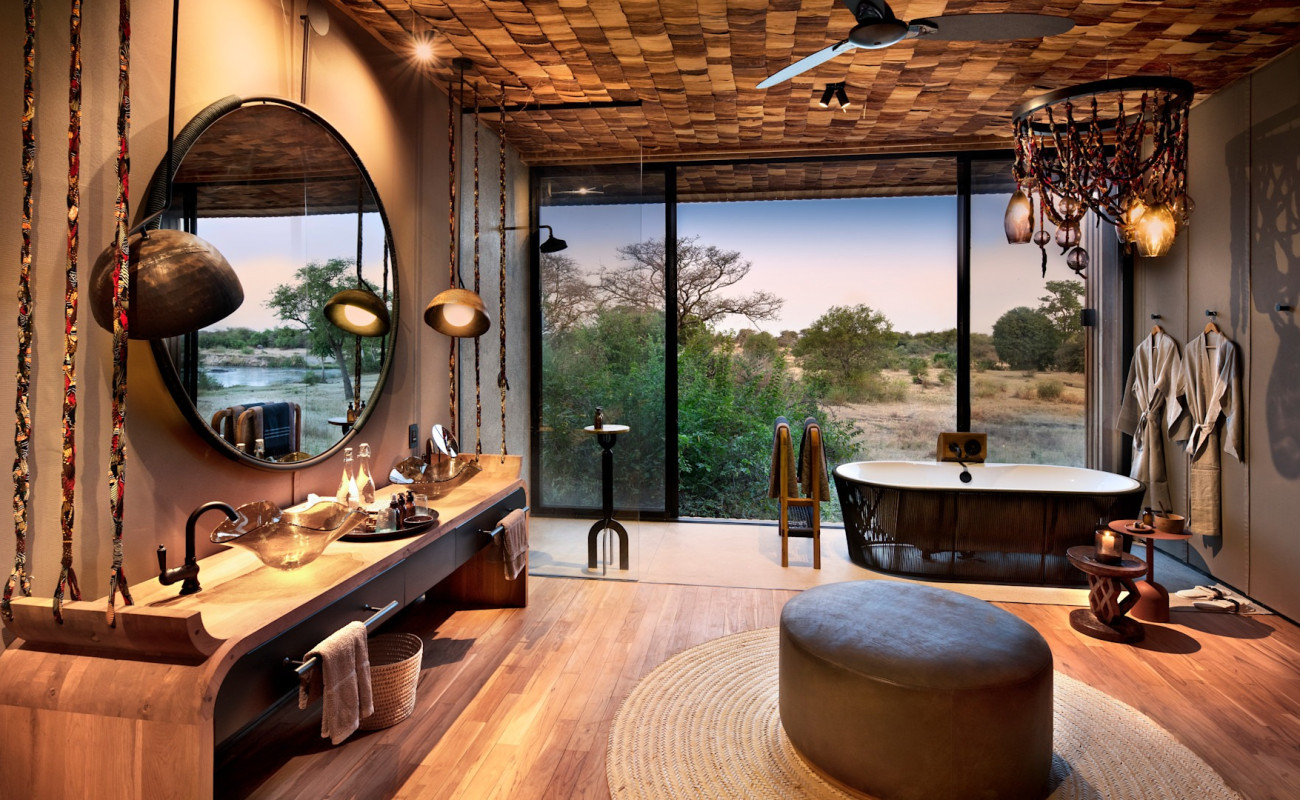
Insider stay: Camps like Oliver’s and Treetops offer treetop-tented luxury and can host school groups for conservation education.
Beyond climbing, this region offers waterfall hikes, cloud forest treks, and sustainable farm stays in Chagga communities.
Highlights: Materuni and Marangu Falls show off mountaintop ecology with friendly waterfalls surrounded by endemic birds (turaco, sunbirds).
Wildlife: Elephants and buffalo wander high-altitude zones—plus chances to encounter colobus and rare blue monkeys.
Stay options: Arumeru River Lodge and Ameg Lodge blend spa, cultural tours, and conservation-forward agriculture.
Known as the “Serengeti of the south,” this park offers full lion prides, grazing giraffe herds, eland and sable antelope, all within half-day travel from Dar.
What to expect: See impressive prides with cubs in dense miombo woodlands, wildlife crossing dry riverbeds, and dusk sake drives exploring nocturnal bush life.
Lodging:
Tanzania’s largest via area—spanning five hard-to-reach ecoregions; fully off-grid experience for those craving isolation.
Dream sightings: Packs of wild dogs, migratory elephant herds, and thick prides of lions under Baobab sunset.
Field note: Light-air transfers to Jongomero and Jabali Ridge give you deep access with less hassle—sojourn through mopane forests, ancient rock towers, and seasonal springs.
Buzz: The park has credited reports of over*30 bird rarities, including lesser kestrel and Verreaux’s eagle in 2024 expeditions.
7. Nyerere National Park (Selous)
Africa’s largest game reserve and the ultimate water safari destination.
Wildlife encounters: Hippos, crocodiles, African skimmers, and endangered antelope.
Unique activity: Join fishing safaris for the elusive tigerfish—yes, catch-and-release with expert guides.
Lodging:
1. Masai Mara National Reserve
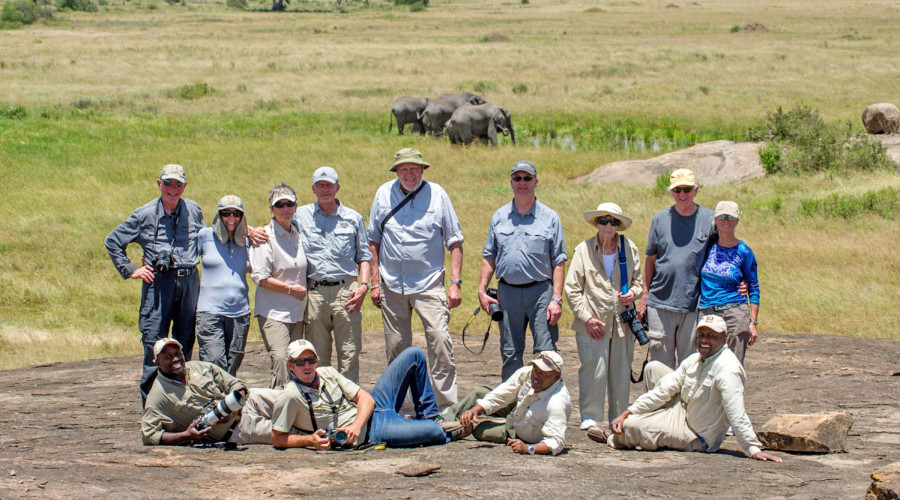
Global migration icon—Millions cross the Mara River in epic sequences (rafts of zebras and wildebeest darting into waters, crocodiles surfacing).
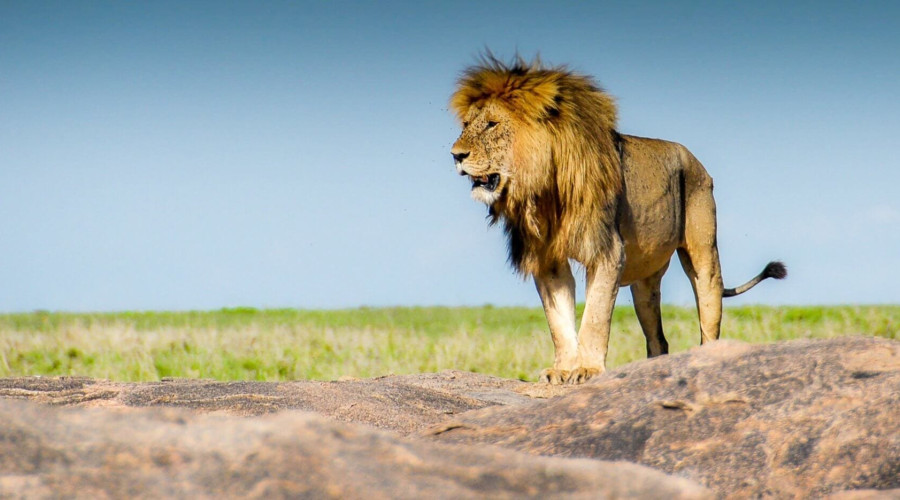
Beyond the herd: Exceptional big cat density, including collared cheetahs, leopard stashes, and dominant black-maned lions.
Lodge options:
Iconic skyline with Mt. Kilimanjaro awakened by sunrise—your photographic moment with giant elephant trios.
Big activity: Observation platforms at the marula plateau, immersive Masai cultural tours.
Packages:
3. Laikipia Plateau & Lewa Conservancy
Kenya’s premier sustainable safari destination—home to black rhino, Grevy’s zebra, and even black-maned lions.
Unmatched immersion: horseback game drives at sunrise, rhino tracking on foot, exclusive night drives.
Conservation model: 80% of fees go to community or wildlife rehabilitation—e.g., orphan feeding stations and ranger education.
Resorts: Segera Retreat, Loisaba Tented Camp, and Eselengei Rhino Sanctuary for structured volunteer stays.
1. Bwindi Impenetrable National Park
Mountain gorilla capital—intimate treks limited to 8 permits/day at $700+ each, with better distribution of permits historically.
Habitat diversity: bamboo thickets, Afro-montane orchid groves, golden monkey troops.
Post-trek mix: village homestays, waterfall hikes, and expert-led birding walks (grey-capped warblers, Great Blue Turaco).
2. Queen Elizabeth National Park
Land of tree-climbing lions, chimp trekking in Kyambura Gorge, and boat cruises on Kazinga Channel.
Ecological corridor: Connects Ruwenzori foothills with dense swamp—home to 600+ bird species.
Highlights:
3. Murchison Falls National Park
Dive into Nile’s power—where the river squeezes through a 7-meter chasm and plunges 43 meters of cascading force.
Safari combo: Boat to falls, then game drive in Albertine rift valley habitat.
Bonus stop: Ziwa Rhino Sanctuary on way in—spend a morning with the foot patrols.
Lodging:
Why 2025 Is the Year to Go
Book Your Safari with Confidence
At Eagle Soul Adventure, we craft each journey based on your timing, interests, and passion. Whether you're chasing the drama of the Great Migration, seeking mountain solitude, or craving a riverside retreat—your safari for 2025 starts here.
Let’s plan the journey you’ll tell stories about forever